Biometric authentication has emerged as a revolutionary method of verifying identity, leveraging unique physical or behavioral characteristics to grant access to systems and information. Unlike traditional methods such as passwords or PINs, which can be forgotten or stolen, biometric traits are inherently tied to the individual, making them a more secure option. This technology has gained traction in various sectors, from personal devices to high-security environments, as it offers a blend of convenience and enhanced security.
The rise of biometric authentication can be attributed to the increasing need for robust security measures in an era where cyber threats are rampant. As individuals and organizations seek to protect sensitive data, the demand for more reliable authentication methods has surged. Biometric systems utilize features such as fingerprints, facial recognition, iris patterns, and voice recognition, providing a level of assurance that traditional methods often lack.
This article delves into the intricacies of biometric authentication, exploring its mechanisms, security implications, potential vulnerabilities, and its application across different industries.
Key Takeaways
- Biometric authentication uses unique physical or behavioral characteristics to verify a person’s identity.
- It works by capturing biometric data, such as fingerprints or facial features, and comparing it to stored data to grant access.
- Biometric authentication is generally considered more secure than traditional methods like passwords or PINs.
- However, potential vulnerabilities include spoofing, data breaches, and privacy concerns.
- Biometric authentication offers advantages such as convenience and accuracy, but also has disadvantages like cost and potential errors.
How Biometric Authentication Works
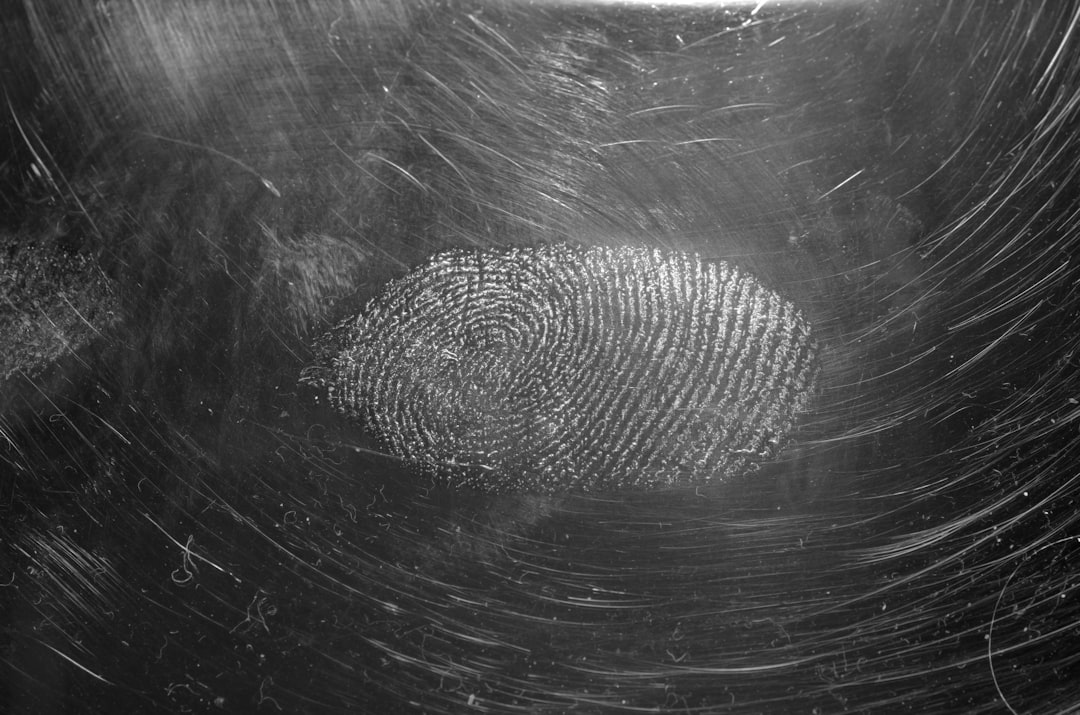
Biometric authentication operates on the principle of identifying individuals based on their unique biological traits. The process typically begins with the enrollment phase, where a user’s biometric data is captured and stored in a secure database. For instance, when a fingerprint is scanned, the system converts the image into a digital template that represents the unique patterns of ridges and valleys on the finger.
This template is then encrypted and stored for future comparisons. During the authentication phase, the system captures a new sample of the biometric trait and compares it against the stored template. If the two samples match within a predefined threshold, access is granted.
This process is not only swift but also highly accurate, as modern biometric systems employ sophisticated algorithms to minimize errors and enhance recognition rates. The technology behind biometric authentication continues to evolve, incorporating machine learning and artificial intelligence to improve performance and adaptability in diverse environments.
The Security of Biometric Authentication
The security of biometric authentication is one of its most compelling advantages. Unlike passwords that can be easily guessed or stolen through phishing attacks, biometric traits are inherently unique to each individual. This uniqueness significantly reduces the risk of unauthorized access.
Moreover, biometric systems often incorporate multi-factor authentication, combining biometric data with other forms of verification such as passwords or security tokens, further bolstering security. However, the security of biometric systems is not infallible. While they provide a higher level of assurance compared to traditional methods, they are not immune to attacks.
For instance, sophisticated spoofing techniques can replicate biometric traits, such as using silicone molds to imitate fingerprints or high-resolution images to deceive facial recognition systems. Therefore, while biometric authentication enhances security, it is essential for organizations to remain vigilant and implement additional layers of protection to safeguard against potential breaches.
Potential Vulnerabilities of Biometric Authentication
Despite its advantages, biometric authentication is not without vulnerabilities. One significant concern is the permanence of biometric traits; unlike passwords that can be changed if compromised, biometric data is immutable. If an individual’s fingerprint or facial data is stolen or replicated, it cannot be altered or reset.
This raises critical questions about privacy and data protection, as breaches involving biometric databases can have long-lasting implications for individuals. Additionally, the reliance on technology introduces potential points of failure. Biometric systems can be susceptible to errors due to environmental factors or technical malfunctions.
For example, changes in lighting conditions can affect facial recognition accuracy, while dirt or moisture on a finger can hinder fingerprint scanning. These vulnerabilities highlight the importance of continuous monitoring and improvement of biometric systems to ensure their reliability and effectiveness in real-world applications.
Advantages and Disadvantages of Biometric Authentication
Biometric authentication offers numerous advantages that make it an appealing choice for both individuals and organizations. One of the primary benefits is convenience; users no longer need to remember complex passwords or carry multiple access cards. A simple scan of a fingerprint or a glance at a camera can grant immediate access, streamlining user experience while enhancing security protocols.
Furthermore, biometric systems can significantly reduce the risk of identity theft and fraud by ensuring that only authorized individuals can access sensitive information. However, there are also notable disadvantages associated with biometric authentication. The initial setup costs can be high, particularly for organizations looking to implement comprehensive biometric systems across multiple locations.
Additionally, concerns regarding privacy and data security persist; individuals may be hesitant to share their biometric data due to fears of misuse or unauthorized access. Moreover, the potential for false rejections or acceptances can lead to frustration among users and undermine trust in the system’s reliability.
Biometric Authentication in Different Industries
Biometric authentication has found applications across various industries, each leveraging its unique capabilities to enhance security and streamline operations. In the financial sector, banks and financial institutions utilize biometric systems for secure transactions and account access. Customers can authenticate their identities using fingerprints or facial recognition on mobile banking apps, reducing the risk of fraud while improving user experience.
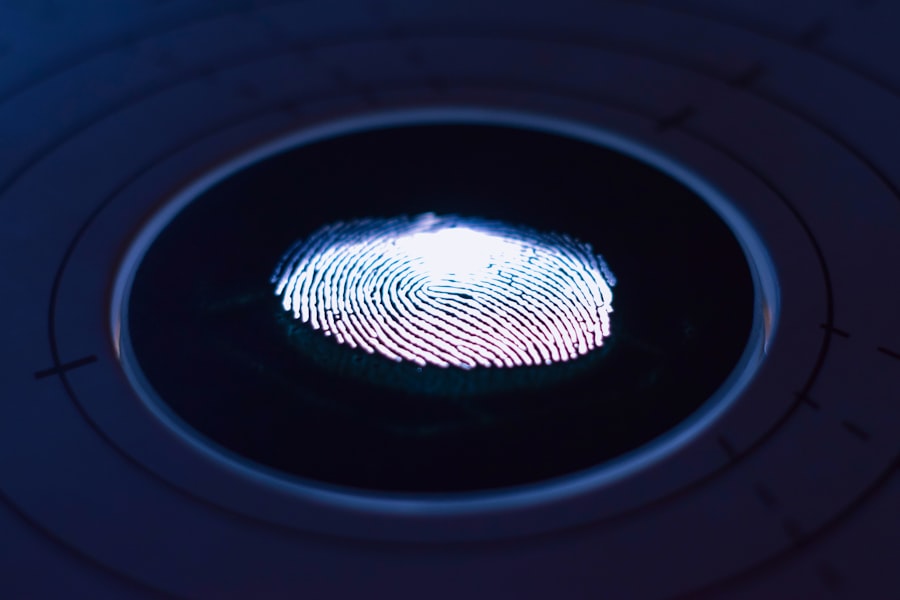
In healthcare, biometric authentication plays a crucial role in safeguarding patient information and ensuring that only authorized personnel have access to sensitive medical records. Hospitals may employ fingerprint scanners or iris recognition systems at points of entry to verify staff identities quickly. Similarly, in government sectors, biometric technology is used for border control and national security purposes, enabling efficient identification of individuals while maintaining high-security standards.
Future of Biometric Authentication
The future of biometric authentication appears promising as advancements in technology continue to reshape its landscape. Emerging trends indicate a shift towards more sophisticated systems that integrate multiple biometric modalities for enhanced accuracy and security. For instance, multimodal biometric systems that combine fingerprints with facial recognition or voice patterns are gaining traction, providing a more comprehensive approach to identity verification.
Moreover, as artificial intelligence and machine learning technologies evolve, they will likely play a pivotal role in improving the performance of biometric systems. These technologies can enhance pattern recognition capabilities and adapt to changing conditions in real-time, making biometric authentication even more reliable. Additionally, as public awareness regarding privacy issues grows, there will be an increased emphasis on developing ethical frameworks and regulations governing the use of biometric data.
Best Practices for Implementing Biometric Authentication
To maximize the effectiveness of biometric authentication systems, organizations should adhere to best practices during implementation. First and foremost, it is essential to conduct thorough risk assessments to identify potential vulnerabilities specific to their operational environment. This proactive approach allows organizations to tailor their biometric solutions effectively while addressing any concerns related to privacy and data security.
Furthermore, organizations should prioritize user education and awareness regarding the use of biometric systems. Providing clear information about how biometric data will be collected, stored, and protected can help alleviate concerns among users and foster trust in the technology. Regular updates and maintenance of biometric systems are also crucial to ensure optimal performance and address any emerging threats promptly.
In conclusion, biometric authentication represents a significant advancement in identity verification technology. While it offers numerous benefits in terms of security and convenience across various industries, it also presents challenges that must be addressed through careful implementation and ongoing vigilance. As technology continues to evolve, so too will the methods used for securing identities in an increasingly digital world.
In the ever-evolving landscape of digital security, biometric authentication has emerged as a promising solution, but questions about its security remain. For those interested in exploring how technology is reshaping various sectors, the article “AI Content Creation Tools: Enhancing Productivity Without Losing Your Voice” provides an insightful look into how artificial intelligence is being leveraged to boost productivity while maintaining authenticity. This piece complements the discussion on biometric authentication by highlighting the broader implications of integrating advanced technologies into our daily lives.
FAQs
What is biometric authentication?
Biometric authentication is a security process that uses unique biological characteristics, such as fingerprints, facial recognition, or iris scans, to verify a person’s identity.
How does biometric authentication work?
Biometric authentication works by capturing and comparing a person’s unique biological traits with stored data to confirm their identity. This process can be used to grant access to devices, systems, or physical locations.
Is biometric authentication secure?
Biometric authentication is generally considered to be secure, as it relies on unique biological traits that are difficult to replicate or steal. However, like any security measure, it is not immune to potential vulnerabilities.
What are the potential security risks of biometric authentication?
Potential security risks of biometric authentication include the possibility of biometric data being stolen or compromised, as well as the potential for false positives or false negatives in the authentication process.
What measures can be taken to enhance the security of biometric authentication?
To enhance the security of biometric authentication, measures such as encryption of biometric data, multi-factor authentication, and regular updates to biometric systems can be implemented. Additionally, user education and awareness about the importance of protecting biometric data can help mitigate security risks.