
Collaborative robots, commonly referred to as cobots, represent a significant advancement in the field of automation. Unlike traditional industrial robots, which are often designed to operate in isolation from human workers, cobots are engineered to work alongside people in a shared workspace. This innovative design allows for a more flexible and adaptable approach to automation, enabling businesses to enhance productivity while maintaining a safe working environment.
Cobots are equipped with advanced sensors and artificial intelligence, allowing them to perceive their surroundings and respond to human actions in real-time. This capability not only enhances their functionality but also ensures that they can operate safely in close proximity to human workers. The versatility of cobots is one of their most appealing features.
They can be programmed to perform a wide range of tasks, from assembly and packaging to quality control and material handling. Their user-friendly interfaces allow even those without extensive technical knowledge to program and operate them effectively. As a result, cobots have become increasingly popular across various industries, including manufacturing, logistics, healthcare, and retail.
The ability of these robots to collaborate with human workers opens up new possibilities for small businesses looking to streamline operations and improve efficiency.
Key Takeaways
- Collaborative robots, or cobots, are robots designed to work alongside humans in a shared workspace.
- Small businesses can benefit from cobots by increasing productivity, improving safety, and reducing costs.
- Cobots are revolutionizing small business operations by automating repetitive tasks and allowing employees to focus on more complex and creative work.
- Implementing cobots in small business settings requires careful planning, training, and integration with existing processes.
- Small businesses can overcome challenges in adopting cobots by addressing concerns about job displacement, ensuring proper safety measures, and providing adequate training for employees.
The Benefits of Cobots for Small Businesses
Small businesses often face unique challenges, including limited resources and the need for cost-effective solutions to enhance productivity. Cobots offer a range of benefits that can help small enterprises overcome these obstacles. One of the most significant advantages is their affordability.
Unlike traditional industrial robots, which can require substantial investments in both equipment and infrastructure, cobots are generally more accessible in terms of cost. This affordability allows small businesses to invest in automation without breaking the bank, making it feasible for them to compete with larger companies. In addition to cost savings, cobots can significantly improve operational efficiency.
By automating repetitive and mundane tasks, small businesses can free up their human workforce to focus on more complex and value-added activities. This not only enhances productivity but also boosts employee morale, as workers can engage in more meaningful work rather than being bogged down by monotonous tasks. Furthermore, cobots can operate continuously without the need for breaks, leading to increased output and faster turnaround times.
For small businesses striving to maximize their resources, the integration of cobots can be a game-changer.
How Cobots are Revolutionizing Small Business Operations
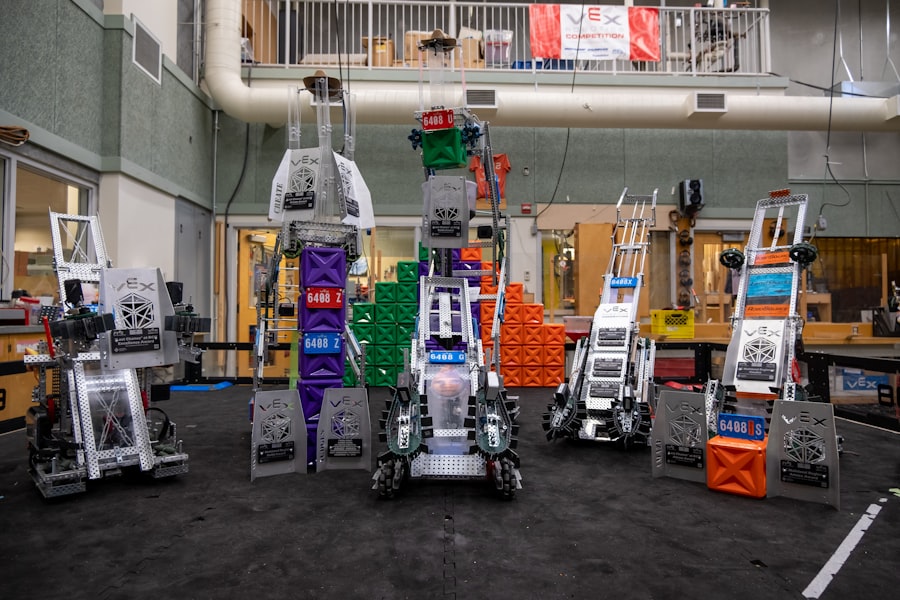
The integration of cobots into small business operations is transforming the way these enterprises function. By facilitating collaboration between humans and machines, cobots are enabling small businesses to adopt more agile and responsive operational models. For instance, in manufacturing settings, cobots can assist with assembly line tasks, allowing for quicker adjustments to production schedules based on demand fluctuations.
This flexibility is particularly beneficial for small businesses that may not have the luxury of large inventories or extensive production capabilities. Moreover, cobots are enhancing quality control processes within small businesses. With their precision and consistency, these robots can perform inspections and quality checks at a speed and accuracy that surpasses human capabilities.
This not only reduces the likelihood of errors but also ensures that products meet high-quality standards before reaching customers. As a result, small businesses can build a reputation for reliability and excellence, which is crucial for attracting and retaining customers in competitive markets.
Implementing Cobots in Small Business Settings
Implementing cobots in small business settings requires careful planning and consideration. The first step involves identifying specific tasks that could benefit from automation. Small business owners should assess their operations to determine which processes are repetitive or time-consuming and could be streamlined through the use of cobots.
Once potential applications have been identified, it is essential to select the right cobot model that aligns with the business’s needs and budget. Training is another critical aspect of successful cobot implementation. Employees must be educated on how to work alongside these robots effectively.
This includes understanding how to program the cobots for specific tasks, as well as safety protocols for operating in close proximity to them. Many cobot manufacturers offer training programs and resources to assist businesses in this transition. By investing time in training employees, small businesses can ensure a smooth integration process and maximize the benefits of their new robotic partners.
Overcoming Challenges in Adopting Cobots
While the advantages of adopting cobots are clear, small businesses may encounter challenges during the transition process. One common concern is the fear of job displacement among employees. Workers may worry that the introduction of automation will lead to layoffs or reduced job security.
To address this issue, small business owners should communicate openly with their teams about the role of cobots as collaborative partners rather than replacements. Emphasizing that cobots are designed to assist rather than replace human workers can help alleviate fears and foster a positive attitude toward automation. Another challenge is the initial investment required for cobot implementation.
Although cobots are generally more affordable than traditional robots, there are still costs associated with purchasing equipment, training staff, and potentially modifying existing workflows. Small businesses may need to explore financing options or grants specifically aimed at supporting automation initiatives. By carefully evaluating their budget and seeking out available resources, small business owners can navigate these financial hurdles and successfully integrate cobots into their operations.
Case Studies: Small Businesses Successfully Using Cobots

Numerous small businesses have successfully integrated cobots into their operations, showcasing the transformative potential of this technology. For example, a small manufacturing company specializing in custom parts found that implementing a collaborative robot for assembly tasks significantly increased their production capacity. The cobot was able to work alongside human workers on the assembly line, handling repetitive tasks while employees focused on quality control and complex assembly processes.
As a result, the company not only improved its output but also reduced lead times for customer orders. Another compelling case study involves a small bakery that adopted a cobot for packaging baked goods. The bakery faced challenges with labor shortages during peak seasons, leading to delays in fulfilling orders.
By introducing a cobot to assist with packaging tasks, the bakery was able to streamline its operations and maintain consistent product availability. The cobot worked efficiently alongside staff members, allowing them to focus on baking and customer service while ensuring that products were packaged quickly and accurately.
The Future of Cobots for Small Businesses
The future of collaborative robots in small businesses looks promising as technology continues to advance. Innovations in artificial intelligence and machine learning are expected to enhance the capabilities of cobots further, making them even more adaptable and efficient in various applications. As these technologies evolve, small businesses will likely find new ways to leverage cobots for tasks that were previously deemed too complex or nuanced for automation.
Moreover, as awareness of the benefits of automation grows among small business owners, the demand for cobots is expected to increase. Manufacturers are likely to respond by developing more specialized models tailored specifically for small business needs across different industries. This trend will make it easier for small enterprises to find solutions that fit their unique requirements without compromising on quality or performance.
Tips for Choosing the Right Cobot for Your Small Business
Selecting the right collaborative robot for a small business involves several key considerations. First and foremost, business owners should assess their specific needs and identify which tasks they want the cobot to perform. Understanding the scope of work will help narrow down options and ensure that the chosen model aligns with operational goals.
Another important factor is ease of use. Small business owners should look for cobots with user-friendly interfaces that allow employees to program and operate them without extensive technical training. Additionally, considering factors such as payload capacity, reach, and compatibility with existing equipment will help ensure that the selected cobot integrates seamlessly into current workflows.
Finally, it is advisable for small business owners to seek out manufacturers that offer robust support services, including training resources and ongoing technical assistance. A strong support system can make a significant difference in the successful implementation and operation of cobots within a business setting. In conclusion, collaborative robots present an exciting opportunity for small businesses looking to enhance efficiency and productivity while maintaining a competitive edge in their respective markets.
By understanding what cobots are, recognizing their benefits, addressing challenges during implementation, and choosing the right model for their needs, small business owners can harness the power of automation to drive growth and success in an increasingly automated world.
In the rapidly evolving landscape of automation, collaborative robots, or cobots, are becoming increasingly vital for small businesses looking to enhance productivity and efficiency. These advanced machines are designed to work alongside human employees, offering a flexible and cost-effective solution to traditional industrial robots. For small businesses, the integration of cobots can lead to significant improvements in operational workflows without the need for extensive infrastructure changes. A related article that delves into the broader theme of technology enhancing business productivity is AI Content Creation Tools: Enhancing Productivity Without Losing Your Voice. This article explores how AI tools can boost productivity while maintaining the unique voice of a business, paralleling the way cobots can enhance human capabilities in the workplace.
FAQs
What are collaborative robots (cobots)?
Collaborative robots, or cobots, are a type of robot specifically designed to work alongside humans in a shared workspace. They are equipped with sensors and other advanced technologies to ensure safe and efficient collaboration with human workers.
How are cobots different from traditional industrial robots?
Unlike traditional industrial robots, cobots are designed to be easily programmable, flexible, and safe to work alongside humans without the need for safety barriers. They are also typically smaller and more lightweight, making them suitable for small businesses with limited space.
What are the benefits of using cobots for small businesses?
Cobots offer several benefits for small businesses, including increased productivity, improved efficiency, cost savings, and the ability to automate repetitive or dangerous tasks. They also allow small businesses to remain competitive in the market by adopting advanced manufacturing technologies.
What are some common applications of cobots in small businesses?
Cobots can be used in a wide range of applications in small businesses, including assembly, packaging, material handling, quality inspection, and machine tending. They can also be easily reprogrammed to adapt to different tasks, making them versatile for various manufacturing processes.
What are the considerations for implementing cobots in a small business?
When implementing cobots in a small business, it is important to consider factors such as the specific tasks to be automated, the workspace layout, employee training, safety protocols, and the overall return on investment. It is also crucial to involve employees in the implementation process to ensure successful integration of cobots into the workflow.