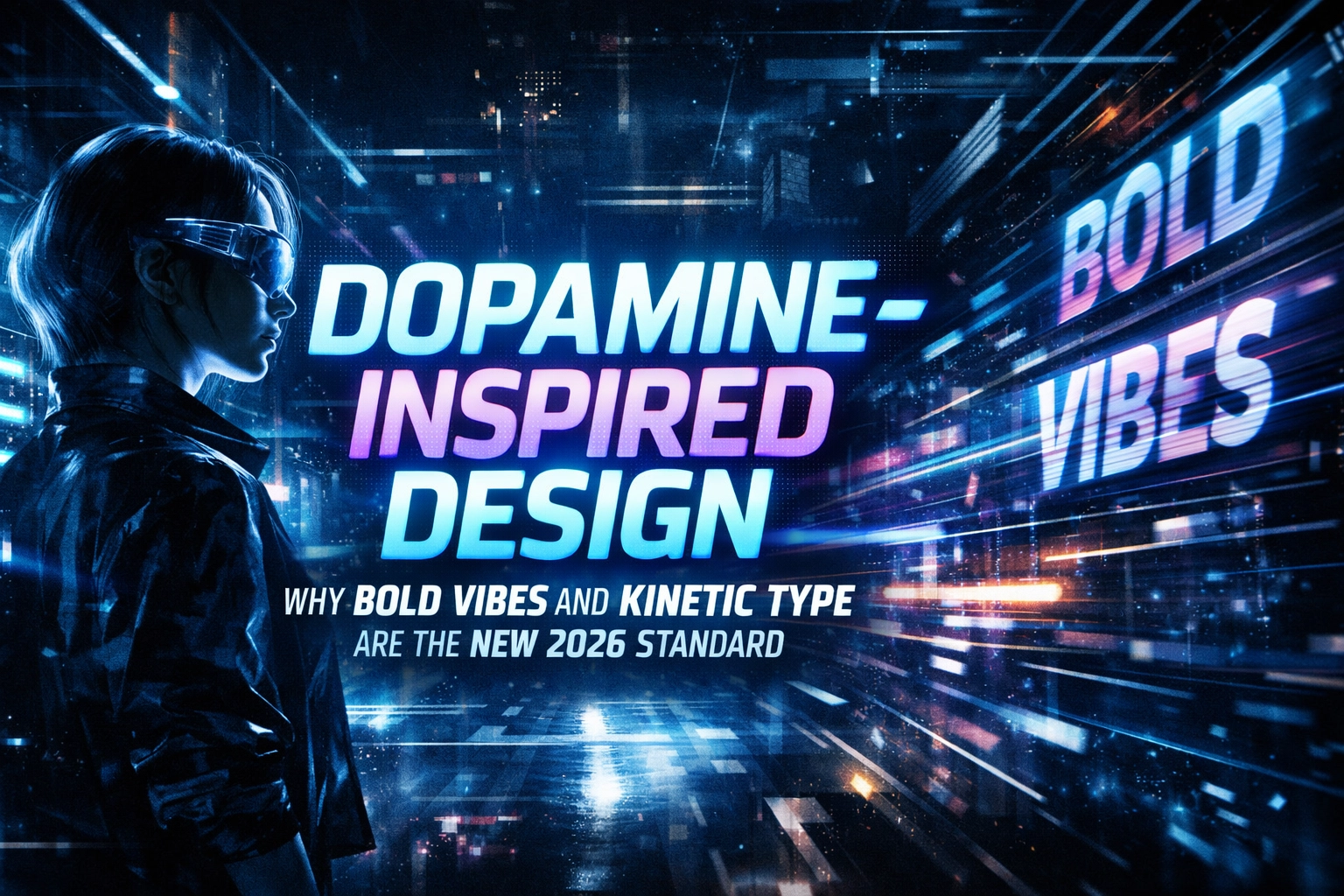
In the rapidly shifting landscape of digital aesthetics as of 2026, the transition from the sterile, monochromatic minimalism of previous decades to a more vibrant, emotionally resonant philosophy has become paramount for organizations seeking to capture dwindling user attention. This evolution, frequently characterized as "Dopamine-Inspired Design," represents a profound departure from utilitarian layouts; it prioritizes the evocation of specific neurological responses through the strategic deployment of color, motion, and interaction. As users become increasingly desensitized to conventional web interfaces, the necessity for environments that provide a "micro-dose" of optimism through visual stimuli has transformed from a creative luxury into a commercial imperative. The contemporary digital consumer no longer seeks mere functionality; instead, there is a pervasive demand for experiences that foster joy, curiosity, and a sense of reward during every interaction.
The psychological underpinning of this movement is grounded in the principle of enclothed cognition, whereby the visual environment directly influences the internal emotional state of the observer, even in a virtual capacity. By leveraging highly saturated color palettes: incorporating hues such as oxblood reds, emerald greens, and vibrant oranges: designers are able to foster a sense of vitality and engagement that was previously suppressed by the ubiquity of "safe" neutrals. Furthermore, the integration of these bold vibes enables a unique synergy between brand identity and consumer sentiment, allowing businesses to forge deeper connections through the mere presence of stimulating color hierarchies. This shift towards "Dopamine Decor" in the digital realm has seen a staggering increase in search interest and implementation, as organizations realize that an emotionally vacant website is often an invisible one.
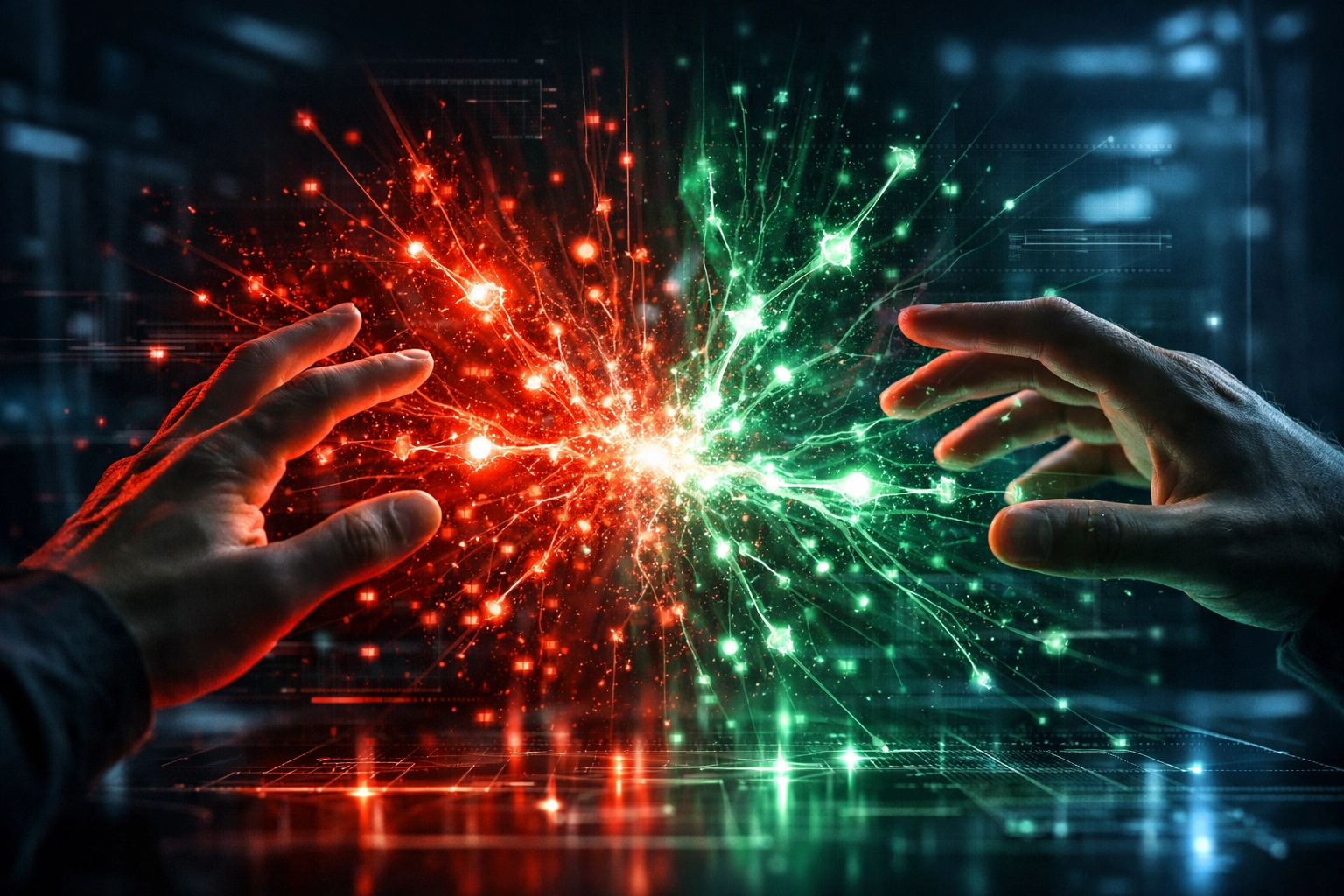
The Neurological Impact of Vibrant Color Palettes
The transition away from beige minimalism reflects a broader cultural shift where sterile environments are increasingly viewed as detrimental to user retention and brand loyalty. Researchers have suggested that the strategic application of vibrant colors can produce measurable "micro-doses" of dopamine in the brain, providing a sense of optimism that encourages prolonged engagement with a platform. Within the context of Web Design, this involves a move toward maximalist emotion, where the market is driven by feeling rather than just aesthetics; as such, the use of high-contrast textures and sculptural, organic shapes has become a staple of modern high-conversion interfaces. By utilizing curves and fluid silhouettes that move beyond the boxy, minimalist structures of the past, organizations can create a more inviting and human-centric digital journey.
Moreover, the deployment of bold color palettes is not merely a stylistic choice but a tactical maneuver designed to improve visibility in a crowded marketplace. As organizations embrace the proliferation of the "Agentic Web," where AI agents and humans alike scan for high-value signals, the use of distinct and memorable visual signatures becomes a pivotal factor in differentiation. While the challenges of maintaining accessibility standards within high-saturation designs persist, the integration of sophisticated contrast ratios ensures that inclusivity remains a core component of the innovative experience. This balance allows companies to navigate the complexities of modern design while ensuring that their message remains impactful and legible to all demographics.
Kinetic Typography and the Choreography of Language
Beyond static color theory, the proliferation of kinetic typography has emerged as a pivotal mechanism for guiding user narrative within the digital space. Kinetic type: defined by its fluid motion, reactive nature, and rhythmic transitions: serves not only as a vessel for information but also as a performative element that sustains visual interest; it transforms text into a dynamic inhabitant of the viewport. While traditional typography focused primarily on legibility and rigid structure, the 2026 standard emphasizes the choreography of language, where the movement of characters responds to user scrolling, cursor proximity, or haptic triggers. This dynamic approach fosters an immersive environment that discourages rapid bouncing, as the textual elements themselves become a source of visual entertainment and guidance.
Furthermore, the implementation of kinetic typography allows for a more nuanced expression of brand personality, whereby the tempo and style of motion convey subtle messages about the organization’s values and energy. For instance, a startup might utilize aggressive, fast-paced transitions to signal agility and innovation, while an established luxury brand might employ slow, graceful movements to evoke a sense of timeless elegance and stability. By providing these visual cues, businesses can communicate complex brand identities without relying solely on long-form copy, which is often bypassed by the modern, fast-scrolling user. As such, the synergy between motion and messaging has become a foundational element of Corporate Branding in the current era.

Micro-interactions and the Architecture of Feeling
Parallel to these visual shifts is the implementation of sophisticated micro-interactions that operate on a subconscious level to reward user behavior. These subtle design choices: ranging from haptic-style feedback on mobile devices to kinetic transformations of interface elements during a hover state: create a sense of tactility in a virtual medium; as such, they provide the "dopamine hits" for which the design trend is named. By acknowledging and validating each user action with a delightful, non-disruptive response, organizations are able to enhance the perceived value of the digital experience, ultimately leading to higher retention rates and a more favorable brand perception. The architecture of feeling, therefore, relies on the accumulation of these small, rewarding moments that build a cohesive sense of satisfaction throughout the session.
Additionally, micro-interactions serve a functional purpose by providing immediate feedback and reducing the cognitive load required to navigate complex systems. When a user interacts with an Online Booking System or a checkout process, the presence of rewarding animations and clear, kinetic indicators reduces friction and increases the likelihood of completion. This shift allows for the transformation of mundane tasks into engaging activities, whereby the interface itself becomes an active participant in the user’s journey. As organizations prioritize user experience as a key differentiator, the investment in these granular details has proven to be a decisive factor in achieving superior conversion rates and long-term customer loyalty.
The Strategic Intersection of Design and SEO Metrics
The strategic implications of dopamine-inspired design extend far beyond mere aesthetics, impacting critical performance indicators such as dwell time, bounce rates, and overall SEO metrics. As search algorithms in 2026 place a higher premium on user satisfaction signals: often measured through the duration and quality of interaction: the ability to maintain a visitor’s attention through engaging, high-contrast visuals has become a cornerstone of technical visibility. When a user experiences a heightened emotional connection to a platform, they are more likely to navigate through multiple pages and spend more time interacting with the content; consequently, this behavior signals to search engines that the site provides superior value, thus driving organic rankings in an increasingly competitive landscape.
Moreover, the integration of kinetic elements and bold design serves to lower the bounce rate by creating an immediate visual hook that captures interest within the first few seconds of a page load. In an environment where the "AI Visibility Score" has become a trending metric, ensuring that a website is not only readable by machines but also captivating to humans is essential. By fostering an environment where users feel compelled to explore, organizations can leverage their design assets to boost their digital authority. While concerns regarding page load speed and technical performance are valid, the adoption of modern web frameworks and optimized assets allows for the seamless execution of these rich visual experiences without compromising on speed or efficiency.
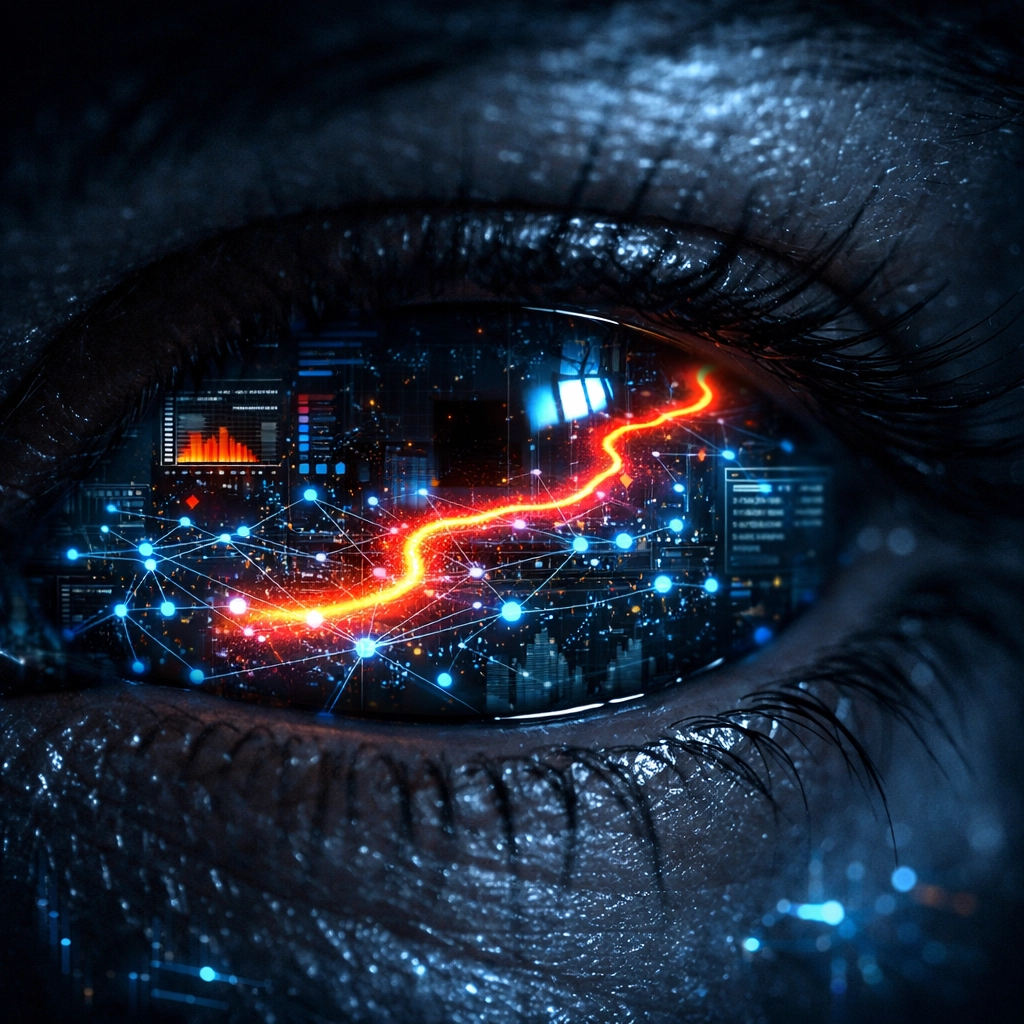
Global Tech-Noir: The JDG.AGENCY Standard
Within this contemporary paradigm, the "Global Tech-Noir" aesthetic championed by JDG.AGENCY represents a sophisticated synthesis of dopamine-driven vibrancy and high-tech sophistication. This stylistic approach leverages the high-contrast textures and sculptural forms inherent in the dopamine trend while maintaining a sleek, innovative edge that resonates with forward-thinking enterprises. By integrating fluid silhouettes and kinetic elements into a darker, tech-centric framework, JDG.AGENCY enables brands to navigate the complexities of 2026 design without sacrificing the professional authority required in the digital marketplace. This unique fusion of emotion and technology ensures that websites are not only visually striking but also strategically aligned with the goals of modern businesses.
The "Tech-Noir" philosophy acknowledges that while users crave emotional stimulation, they also demand a sense of security and advanced functionality. As such, the incorporation of bold, saturated accents against deep, sophisticated backgrounds creates a visual hierarchy that is both stimulating and easy to navigate. This approach is particularly effective for Startups and tech-focused organizations that wish to project an image of cutting-edge innovation while remaining grounded in user-centric principles. By prioritizing the "feeling" of the interface, JDG.AGENCY facilitates a deeper level of engagement that transcends traditional design boundaries, enabling clients to reach their audiences with unprecedented impact.
Transformation and the Future of Digital Interaction
In conclusion, the adoption of dopamine-inspired design principles is an inevitable response to the evolving psychological needs of the global consumer base in 2026. Organizations that embrace these bold vibes, kinetic typographies, and rewarding micro-interactions will find themselves uniquely positioned to thrive in a landscape where emotional resonance is the primary currency of the web. While the challenges of balancing maximalist expression with functional clarity will continue to exist, the potential to unlock deeper user loyalty and superior digital performance remains unparalleled. As the digital horizon continues to expand and the "Agentic Web" becomes the new reality, the integration of feeling into form will remain the defining standard of excellence for web development and design.
Furthermore, the ongoing evolution of these trends suggests that the future of the internet will be characterized by even greater levels of personalization and emotional intelligence in design. By providing environments that not only serve information but also elevate the mood of the user, businesses can foster a more positive and sustainable relationship with their audience. As we look toward the remainder of 2026 and beyond, the journey toward a more vibrant and kinetic digital world is well underway, enabling a new era of innovation where every click, scroll, and interaction is designed to make the user feel something profound. Organizations must therefore commit to this visual transformation to ensure their continued relevance and success in the modern digital economy.