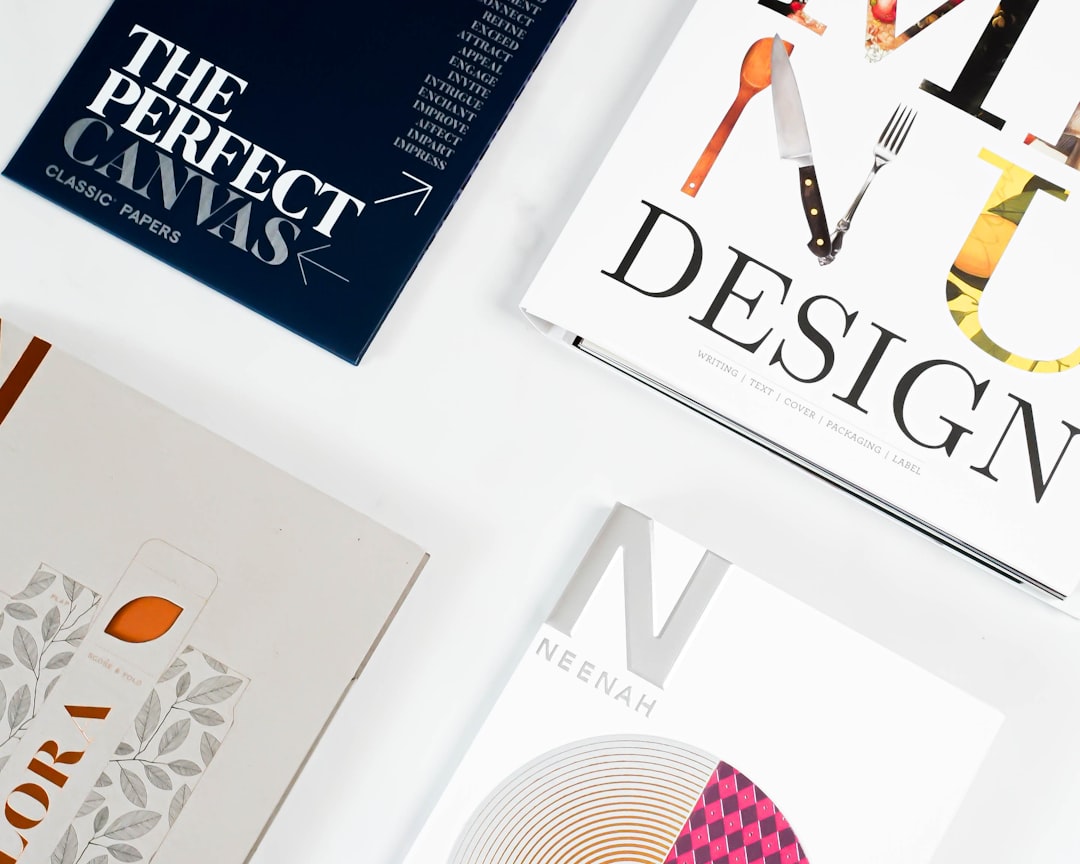
As the digital landscape continues to evolve, typography remains a crucial element in shaping brand identity and communication. In 2025, the trends in typography are expected to reflect a blend of innovation, creativity, and functionality. Designers are increasingly recognizing that typography is not merely about choosing a font; it is about conveying a message, evoking emotions, and creating a memorable experience for users.
The upcoming trends will likely emphasize clarity, personalization, and adaptability, catering to the diverse needs of audiences across various platforms. The year 2025 promises to be a pivotal moment for typography, as brands strive to stand out in an ever-crowded marketplace. With the rise of digital media and the increasing importance of online presence, the way typography is utilized will play a significant role in how brands communicate their values and connect with their audiences.
This article will explore the key typography trends anticipated for 2025, highlighting how they can enhance digital branding and foster deeper connections between brands and consumers.
Key Takeaways
- Typography trends in 2025 are diverse and cater to different branding needs and styles.
- Minimalist and clean fonts are ideal for digital branding, offering a modern and sleek aesthetic.
- Custom and handwritten fonts add a personalized touch to branding, creating a unique and authentic identity.
- Variable fonts provide flexibility and dynamism, allowing brands to adapt to different platforms and contexts.
- Retro and vintage fonts evoke nostalgia and can create a sense of authenticity and heritage in branding.
Minimalist and Clean Fonts for Digital Branding
In an age where simplicity often reigns supreme, minimalist and clean fonts are set to dominate the typography landscape in 2025. These fonts prioritize legibility and clarity, making them ideal for digital branding where quick comprehension is essential. Brands are increasingly adopting sans-serif typefaces that exude modernity and sophistication while ensuring that their messages are easily digestible.
The use of ample white space alongside these fonts further enhances readability, allowing users to focus on the content without distraction. Moreover, minimalist fonts align perfectly with the growing trend of sustainable design. As consumers become more environmentally conscious, brands are seeking ways to reflect their values through their visual identity.
Clean typography not only conveys professionalism but also suggests a commitment to transparency and simplicity. In 2025, brands that embrace minimalist fonts will likely find themselves resonating with audiences who appreciate straightforward communication and authenticity.
Custom and Handwritten Fonts for Personalized Branding
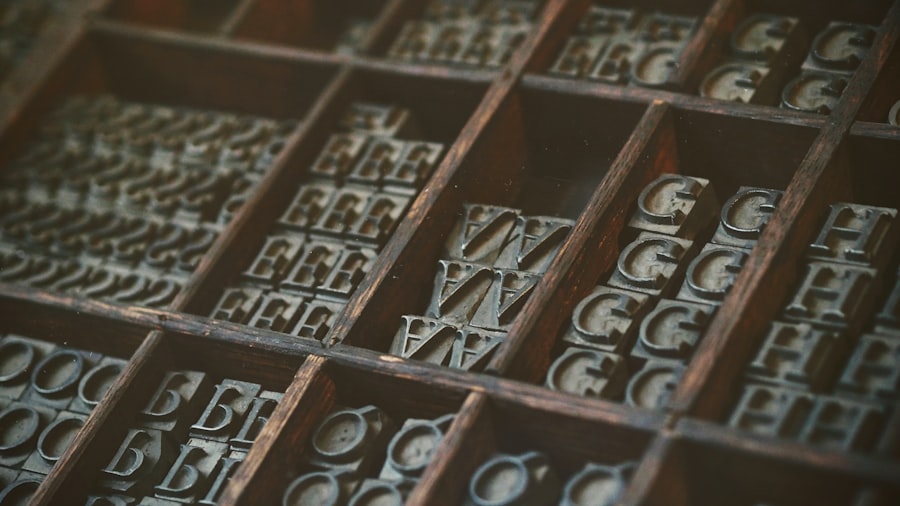
As consumers increasingly seek unique experiences, custom and handwritten fonts are poised to become essential tools for personalized branding in 2025. These fonts allow brands to express their individuality and create a distinct voice that sets them apart from competitors. By incorporating custom typography into their branding strategies, companies can forge deeper emotional connections with their audiences, making their messaging feel more relatable and genuine.
Handwritten fonts, in particular, evoke a sense of warmth and approachability. They can convey personality and creativity, making them ideal for brands that wish to foster a more intimate relationship with their customers. In 2025, businesses across various industries are expected to leverage these fonts to tell their stories authentically, whether through packaging, advertising, or digital content.
The rise of personalization in branding will drive the demand for unique typographic solutions that resonate with consumers on a personal level.
Variable Fonts for Flexible and Dynamic Branding
The advent of variable fonts marks a significant shift in typography, offering unprecedented flexibility and adaptability for brands in 2025. Unlike traditional fonts that come in fixed styles and weights, variable fonts allow designers to manipulate various attributes—such as weight, width, and slant—within a single font file. This innovation not only streamlines the design process but also enables brands to create dynamic visual identities that can evolve over time.
Variable fonts are particularly advantageous for responsive design, as they can seamlessly adjust to different screen sizes and resolutions. This adaptability ensures that typography remains consistent and legible across various devices, enhancing user experience. In 2025, brands that embrace variable fonts will likely find themselves at the forefront of digital innovation, as they leverage this technology to create engaging and interactive experiences that captivate audiences.
Retro and Vintage Fonts for Nostalgic Branding
Nostalgia has a powerful influence on consumer behavior, and in 2025, retro and vintage fonts are expected to make a significant comeback in branding. These typefaces evoke memories of bygone eras, tapping into consumers’ emotions and creating a sense of familiarity. Brands that incorporate retro typography into their visual identity can effectively connect with audiences by invoking feelings of nostalgia while simultaneously standing out in a modern context.
The appeal of retro fonts lies in their ability to convey authenticity and craftsmanship. As consumers increasingly seek products that reflect quality and tradition, brands can leverage vintage typography to communicate their heritage and values. Whether through packaging design or digital marketing campaigns, retro fonts can create a compelling narrative that resonates with consumers seeking genuine experiences.
In 2025, the resurgence of vintage typography will likely serve as a bridge between the past and present, allowing brands to tell their stories in a visually captivating manner.
Experimental and Futuristic Fonts for Cutting-Edge Branding
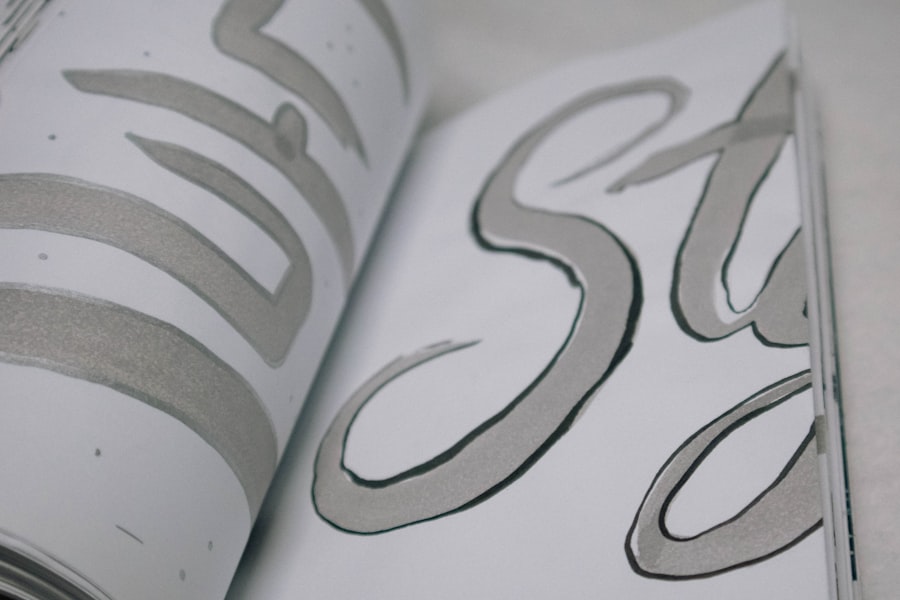
As technology continues to advance at an unprecedented pace, experimental and futuristic fonts are set to emerge as key players in the typography landscape of 2025. These typefaces challenge traditional design conventions, pushing the boundaries of creativity and innovation. Brands that adopt experimental typography can convey a sense of forward-thinking and modernity, appealing to tech-savvy consumers who value originality.
Futuristic fonts often feature geometric shapes, unconventional letterforms, and dynamic compositions that capture attention and spark curiosity. By incorporating these bold typographic choices into their branding strategies, companies can position themselves as leaders in their respective industries. In 2025, experimental typography will likely play a crucial role in establishing brand identities that resonate with audiences seeking cutting-edge solutions and experiences.
Accessibility and Inclusive Design in Typography
As awareness of accessibility issues continues to grow, the importance of inclusive design in typography cannot be overstated. In 2025, brands will be increasingly held accountable for ensuring that their typography is accessible to all users, regardless of their abilities or disabilities. This trend emphasizes the need for legible typefaces that accommodate diverse audiences while promoting inclusivity in digital branding.
Designers will need to consider factors such as font size, contrast, and spacing when selecting typefaces for their projects. By prioritizing accessibility in typography, brands can create more equitable experiences for users with visual impairments or reading difficulties. In addition to enhancing usability, accessible typography fosters a sense of belonging among consumers who may have previously felt excluded from certain brand narratives.
As brands embrace inclusive design principles in 2025, they will not only enhance their reputations but also contribute positively to society as a whole.
The Future of Typography in Digital Branding
The future of typography in digital branding is poised for exciting transformations as trends evolve to meet the demands of an ever-changing landscape. From minimalist designs that prioritize clarity to custom fonts that foster personalization, the possibilities are endless. As brands navigate this dynamic environment, they must remain attuned to emerging trends while staying true to their core values.
In 2025, typography will continue to serve as a powerful tool for communication and connection. By embracing innovative approaches such as variable fonts and experimental designs while prioritizing accessibility and inclusivity, brands can create compelling narratives that resonate with diverse audiences. Ultimately, the evolution of typography will play a pivotal role in shaping brand identities and fostering meaningful relationships between companies and consumers in the digital age.
In the rapidly evolving digital landscape, typography continues to play a crucial role in defining brand identities. As highlighted in the article “Typography Trends in 2025: Fonts that Define Digital Brands,” the choice of fonts can significantly impact how a brand is perceived online. A related article that complements this discussion is Minimalist Web Design: Creating Powerful Impact with Less in 2025. This piece explores how minimalist design principles, when paired with the right typography, can create a powerful and lasting impression on digital platforms. Both articles emphasize the importance of thoughtful design choices in crafting a cohesive and compelling brand presence.
FAQs
What are typography trends in 2025?
In 2025, typography trends are expected to focus on a combination of bold and minimalist fonts, variable fonts, and the use of custom typography to create unique brand identities in the digital space.
How do fonts define digital brands?
Fonts play a crucial role in defining digital brands by conveying the brand’s personality, values, and message. The right font choice can help create a strong brand identity and enhance user experience.
What are variable fonts?
Variable fonts are a single file format that behaves like multiple fonts, allowing for a wide range of customizations such as weight, width, and slant. They offer flexibility and efficiency in digital design and are expected to be a significant trend in 2025.
Why is custom typography important for digital brands?
Custom typography allows digital brands to create a unique and recognizable visual identity. It helps them stand out in a crowded digital landscape and communicate their brand message effectively.
How can digital brands incorporate typography trends into their design?
Digital brands can incorporate typography trends by staying updated with the latest font styles, experimenting with variable fonts, and investing in custom typography that aligns with their brand identity and values.