
In recent years, the landscape of smartphone technology has been dramatically transformed by the advent of fast charging technology. This innovation has revolutionized the way users interact with their devices, allowing them to recharge their smartphones in a fraction of the time it once took. As consumers increasingly rely on their devices for a multitude of tasks, from communication to entertainment, the demand for quicker charging solutions has surged.
Manufacturers have responded by developing advanced charging technologies that can deliver significant power in short bursts, enabling users to get back to their daily activities with minimal downtime. Fast charging technology operates on the principle of increasing the voltage and current supplied to a device, which accelerates the charging process. Various companies have introduced proprietary fast charging solutions, each boasting unique features and capabilities.
For instance, some brands utilize adaptive charging algorithms that optimize the power delivery based on the battery’s state and temperature, ensuring safety while maximizing efficiency. As a result, users can enjoy the convenience of a fully charged device in as little as 30 minutes, a stark contrast to the hours required by traditional charging methods. This rapid evolution in charging technology not only enhances user experience but also sets a new standard for what consumers expect from their smartphones.
Key Takeaways
- Fast charging technology has revolutionized the way we charge our smartphones, providing quick and convenient power boosts.
- While fast charging can decrease battery lifespan over time, advancements in battery materials are emerging to mitigate this impact.
- Sustainable battery materials, such as lithium iron phosphate, are gaining traction for their eco-friendly and long-lasting properties.
- Renewable energy sources, like solar power, are being integrated into smartphone charging to reduce reliance on non-renewable energy.
- Eco-friendly disposal and recycling of smartphone batteries are crucial for minimizing environmental impact and promoting sustainability.
The Impact of Fast Charging on Battery Lifespan
While fast charging technology offers undeniable convenience, it raises important questions about its impact on battery lifespan. Lithium-ion batteries, which power most smartphones today, have a finite number of charge cycles before their capacity begins to diminish. The concern is that the increased heat generated during fast charging could accelerate this degradation process, leading to shorter battery life over time.
Manufacturers have been keenly aware of this issue and have implemented various strategies to mitigate potential damage. To address these concerns, many smartphone manufacturers have integrated advanced thermal management systems into their devices. These systems monitor battery temperature and adjust charging speeds accordingly to prevent overheating.
Additionally, some brands have developed batteries with improved chemistry that can withstand higher charging rates without suffering significant wear. As a result, users can enjoy the benefits of fast charging while minimizing the adverse effects on battery longevity. However, it remains essential for consumers to be aware of their charging habits and consider using slower charging options when possible to prolong battery health.
The Emergence of Sustainable Battery Materials
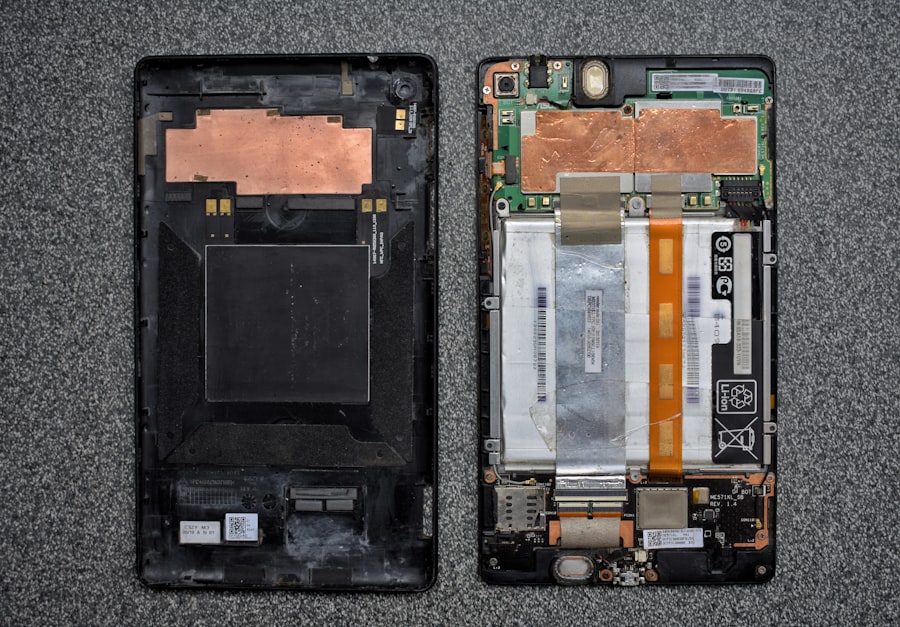
As the demand for smartphones continues to grow, so does the need for sustainable battery materials. The environmental impact of battery production and disposal has become a pressing concern, prompting researchers and manufacturers to explore alternative materials that are both efficient and eco-friendly. Traditional lithium-ion batteries rely heavily on finite resources such as cobalt and nickel, which are often mined under conditions that raise ethical and environmental issues.
In response, the industry is witnessing a shift towards more sustainable practices. Innovations in battery technology are paving the way for the use of materials like sodium-ion and solid-state batteries. Sodium-ion batteries, for instance, utilize abundant sodium resources instead of lithium, making them more sustainable and less reliant on mining practices that can harm ecosystems.
Solid-state batteries offer another promising avenue; they replace liquid electrolytes with solid materials, enhancing safety and energy density while reducing reliance on harmful substances. As these technologies continue to develop, they hold the potential to significantly reduce the environmental footprint of smartphone batteries while maintaining performance standards.
The Role of Renewable Energy in Smartphone Charging
The integration of renewable energy sources into smartphone charging solutions represents a significant step towards sustainability in technology. As global awareness of climate change and environmental degradation grows, consumers are increasingly seeking ways to reduce their carbon footprint. Solar energy, in particular, has emerged as a viable option for powering smartphones, offering a clean and renewable alternative to traditional electricity sources.
Solar-powered chargers are becoming more accessible and efficient, allowing users to harness sunlight to recharge their devices. These chargers often come equipped with solar panels that convert sunlight into electricity, providing an eco-friendly solution for on-the-go charging. Additionally, some smartphone manufacturers are exploring built-in solar panels within devices themselves, enabling users to charge their phones directly from sunlight without needing external accessories.
This innovation not only promotes sustainability but also empowers users to take control of their energy consumption in an increasingly resource-conscious world.
The Importance of Eco-Friendly Disposal and Recycling of Smartphone Batteries
As smartphones become ubiquitous in modern society, the issue of battery disposal and recycling has gained prominence. Improper disposal of lithium-ion batteries can lead to environmental contamination and pose risks to human health due to the toxic materials they contain. Therefore, it is crucial for consumers to understand the importance of eco-friendly disposal methods and recycling programs designed specifically for batteries.
Many manufacturers and organizations are now offering recycling initiatives that encourage consumers to return old or damaged batteries for proper processing. These programs not only help prevent hazardous waste from entering landfills but also promote the recovery of valuable materials that can be reused in new battery production. By participating in these recycling efforts, consumers can contribute to a circular economy that minimizes waste and reduces the demand for new raw materials.
Education and awareness campaigns play a vital role in informing users about responsible disposal practices and the benefits of recycling smartphone batteries.
The Future of Wireless and Solar Charging for Smartphones

The future of smartphone charging is poised for exciting advancements, particularly in the realms of wireless and solar charging technologies. Wireless charging has gained traction in recent years as a convenient alternative to traditional wired methods. By utilizing electromagnetic fields to transfer energy between a charging pad and a device, users can simply place their smartphones on a pad without fumbling with cables.
This technology not only enhances user convenience but also reduces wear and tear on charging ports. Looking ahead, innovations in wireless charging are expected to make it even more efficient and versatile. Researchers are exploring methods for long-range wireless charging that would allow devices to charge from a distance without needing direct contact with a pad.
This could revolutionize how users interact with their devices by eliminating the need for physical connections altogether. Meanwhile, solar charging technology continues to evolve as well, with advancements aimed at increasing efficiency and reducing costs. As these technologies mature, they hold the potential to reshape how consumers power their smartphones while promoting sustainability.
The Integration of Energy-Efficient Software and Hardware in Smartphone Design
In addition to advancements in battery technology and charging methods, energy-efficient software and hardware design play a crucial role in enhancing smartphone performance while minimizing energy consumption. Manufacturers are increasingly focusing on optimizing both hardware components and software algorithms to create devices that consume less power without sacrificing functionality. For instance, modern smartphones often feature energy-efficient processors that dynamically adjust performance based on usage patterns.
This means that when users engage in less demanding tasks, such as browsing social media or reading articles, the device can reduce power consumption by scaling back processing power. Similarly, software updates frequently include optimizations that enhance battery life by managing background processes more effectively. By integrating these energy-efficient designs into smartphones, manufacturers can help users extend battery life while reducing overall energy consumption.
The Consumer Demand for Sustainable Smartphone Battery Solutions
As awareness of environmental issues continues to rise among consumers, there is an increasing demand for sustainable smartphone battery solutions. Users are becoming more discerning about the products they purchase, seeking out devices that align with their values regarding sustainability and ethical sourcing. This shift in consumer behavior is prompting manufacturers to prioritize eco-friendly practices throughout the entire lifecycle of their products.
From sourcing sustainable materials for battery production to implementing recycling programs for end-of-life devices, companies are recognizing the importance of transparency and responsibility in their operations. Consumers are now more likely to support brands that demonstrate a commitment to sustainability through innovative practices and products. As this trend continues to grow, it is expected that manufacturers will invest further in research and development aimed at creating greener alternatives for smartphone batteries while meeting consumer expectations for performance and reliability.
In conclusion, the evolution of smartphone battery technology encompasses various facets ranging from fast charging innovations to sustainable materials and eco-friendly practices. As consumers become increasingly aware of their environmental impact, manufacturers are responding by prioritizing sustainability in design and production processes. The future holds exciting possibilities for advancements in wireless and solar charging technologies as well as energy-efficient designs that cater to consumer demands for responsible solutions.
Ultimately, this ongoing transformation reflects a broader commitment within the tech industry towards creating a more sustainable future for all.
In the ever-evolving landscape of smartphone technology, the focus on battery innovation has become increasingly significant. The article “Smartphone Battery Evolution: From Fast Charging to Sustainability” delves into the advancements in battery technology, highlighting the shift towards more sustainable solutions. For those interested in the broader implications of technological advancements, the article on AI Content Creation Tools: Enhancing Productivity Without Losing Your Voice offers an insightful perspective on how artificial intelligence is transforming productivity tools while maintaining the essence of human creativity. Both articles underscore the importance of innovation in driving sustainable and efficient technological progress.
FAQs
What is fast charging technology for smartphone batteries?
Fast charging technology for smartphone batteries allows the battery to charge at a much faster rate than traditional charging methods. This technology is designed to quickly replenish the battery’s power, providing users with a convenient and efficient way to keep their smartphones charged.
How does fast charging technology work?
Fast charging technology works by increasing the amount of power that is delivered to the smartphone’s battery during the charging process. This is achieved through the use of specialized charging cables, adapters, and charging circuits within the smartphone itself. By delivering a higher amount of power, the battery can be charged more quickly.
What are the benefits of fast charging technology?
The benefits of fast charging technology include the ability to quickly recharge a smartphone’s battery, reducing the amount of time that users need to wait for their device to be ready for use. This technology also provides convenience for users who may need to quickly top up their battery throughout the day.
What is sustainable battery technology for smartphones?
Sustainable battery technology for smartphones refers to the development of batteries that are designed to be more environmentally friendly and have a reduced impact on the planet. This includes the use of materials that are less harmful to the environment and the development of batteries that can be recycled or reused.
How is sustainable battery technology beneficial for the environment?
Sustainable battery technology is beneficial for the environment because it reduces the amount of harmful materials that are used in the production of smartphone batteries. Additionally, sustainable batteries are designed to be more easily recycled or repurposed, reducing the amount of electronic waste that ends up in landfills. This helps to minimize the environmental impact of smartphone battery production and disposal.