As the world continues to evolve, the landscape of work has undergone a significant transformation, particularly with the rise of remote work. By 2025, remote work tools have become indispensable for professionals across various industries. The shift towards a more flexible work environment has necessitated the development of innovative technologies that facilitate seamless communication, collaboration, and productivity.
In this new era, smartphones have emerged as pivotal devices, enabling employees to stay connected and efficient regardless of their physical location. The integration of advanced software applications and hardware capabilities has revolutionized how individuals approach their work. With the proliferation of remote work tools, employees can now manage tasks, attend virtual meetings, and collaborate with colleagues from anywhere in the world.
This article delves into the advancements in smartphone technology, the integration of features tailored for remote work, security concerns, productivity enhancements, collaborative tools, and future trends that will shape the role of smartphones in the workplace.
Key Takeaways
- Remote work tools in 2025 are expected to be more advanced and user-friendly, catering to the evolving needs of remote workers.
- Advancements in smartphone technology, such as 5G connectivity and AI capabilities, will enhance the remote work experience by providing faster and more efficient communication and collaboration.
- Integration of smartphone features for remote work, including virtual reality and augmented reality, will enable immersive and interactive remote work experiences.
- Security and privacy concerns for remote work on smartphones will continue to be a priority, with the need for robust encryption and authentication measures to protect sensitive data.
- Productivity and efficiency with smartphone remote work tools will be optimized through AI-driven personal assistants, seamless multitasking capabilities, and intuitive user interfaces.
Advancements in Smartphone Technology
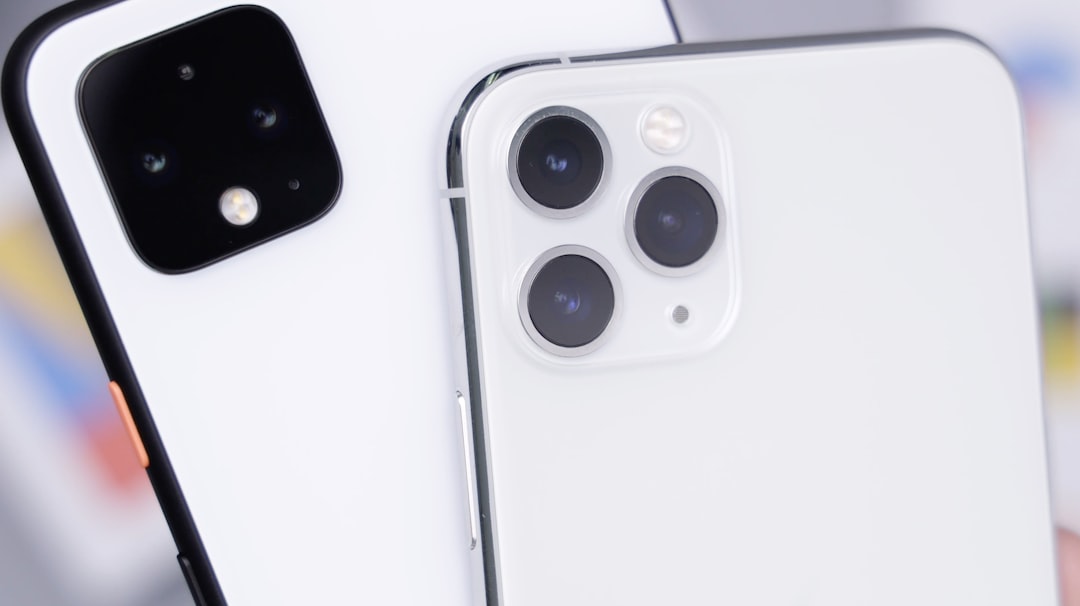
By 2025, smartphones have evolved into powerful computing devices that rival traditional laptops and desktops. The advancements in processing power, battery life, and display technology have made smartphones more capable than ever before. With multi-core processors and enhanced graphics capabilities, these devices can handle demanding applications that were once limited to larger machines.
This evolution has allowed professionals to perform complex tasks on their smartphones without compromising performance. Moreover, the introduction of 5G technology has transformed mobile connectivity, providing users with lightning-fast internet speeds and reduced latency. This advancement is particularly beneficial for remote workers who rely on stable connections for video conferencing and real-time collaboration.
The ability to access cloud-based applications and services seamlessly has made smartphones an essential tool for professionals who need to stay productive while on the go. As a result, employees can now engage in high-quality video calls, share large files instantly, and access critical data from anywhere, enhancing their overall work experience.
Integration of Smartphone Features for Remote Work
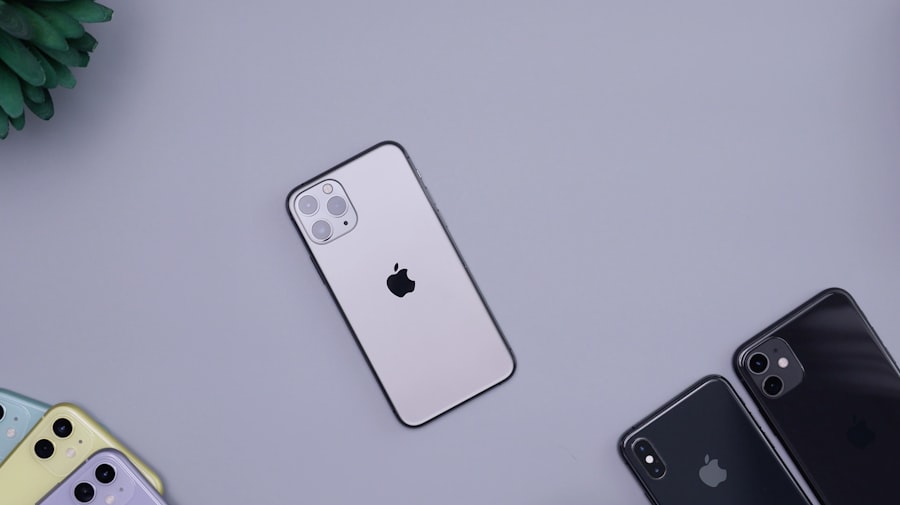
The integration of smartphone features specifically designed for remote work has further solidified their role in modern professional environments. One notable development is the rise of productivity applications that cater to various aspects of work life. From project management tools to note-taking apps, these applications have been optimized for mobile use, allowing users to manage their tasks efficiently.
Features such as voice recognition and handwriting input have made it easier for professionals to capture ideas and organize their thoughts on the fly. Additionally, smartphones now come equipped with advanced camera systems that facilitate high-quality video conferencing. The ability to conduct virtual meetings with clear visuals and sound has become a game-changer for remote teams.
Many smartphones also support augmented reality (AR) features that can enhance presentations and collaborative efforts. For instance, AR can be used to visualize complex data or create interactive experiences during meetings, making remote collaboration more engaging and effective.
Security and Privacy Concerns for Remote Work on Smartphones
While the advancements in smartphone technology have greatly benefited remote work, they have also raised significant security and privacy concerns. As employees increasingly rely on their smartphones to access sensitive company information and communicate with colleagues, the risk of data breaches and cyberattacks has escalated. Cybercriminals are constantly developing new tactics to exploit vulnerabilities in mobile devices, making it imperative for organizations to implement robust security measures.
To mitigate these risks, companies are investing in mobile device management (MDM) solutions that allow them to monitor and secure employee smartphones. These solutions enable organizations to enforce security policies, remotely wipe data from lost or stolen devices, and ensure that employees are using secure applications for communication and collaboration. Additionally, educating employees about best practices for mobile security—such as using strong passwords, enabling two-factor authentication, and being cautious with public Wi-Fi—has become essential in safeguarding sensitive information.
Productivity and Efficiency with Smartphone Remote Work Tools
The impact of smartphone remote work tools on productivity and efficiency cannot be overstated. With the ability to access work-related applications and documents from anywhere, employees can manage their time more effectively and respond to urgent tasks promptly. The convenience of having all necessary tools at their fingertips allows professionals to maintain a high level of productivity even outside traditional office settings.
Furthermore, many smartphones now feature built-in productivity tools that help users prioritize tasks and manage their schedules. Calendar applications integrated with reminders and notifications ensure that important deadlines are not overlooked. Additionally, the use of artificial intelligence (AI) in these tools can provide personalized recommendations based on user behavior, further enhancing efficiency.
As a result, remote workers can focus on what truly matters—delivering quality work while maintaining a healthy work-life balance.
Collaborative and Communication Tools on Smartphones
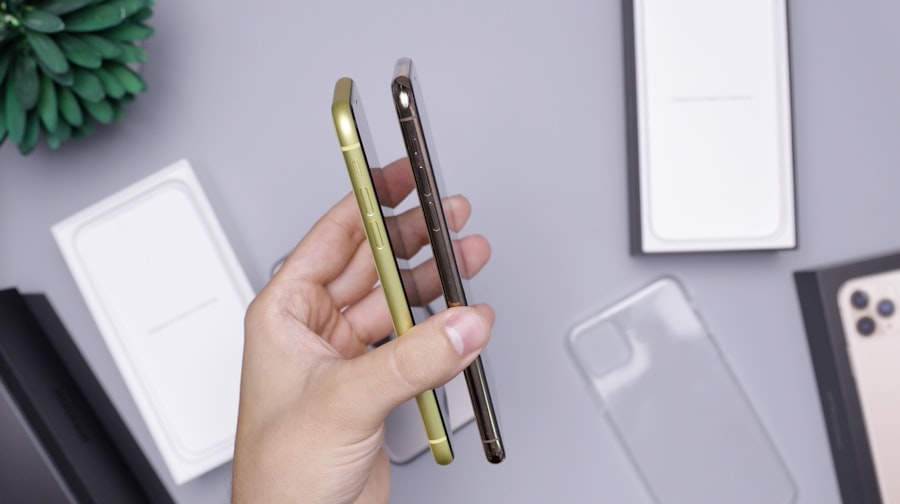
Collaboration is at the heart of successful remote work, and smartphones have become essential tools for fostering teamwork among dispersed teams. A plethora of communication applications have emerged that cater specifically to remote workers’ needs. These platforms enable instant messaging, video calls, file sharing, and project management—all from a single device.
The convenience of having multiple collaboration tools integrated into one smartphone app streamlines communication and reduces the friction often associated with remote teamwork. Moreover, many organizations are adopting cloud-based solutions that allow employees to collaborate on documents in real-time. This capability ensures that team members can contribute simultaneously, regardless of their location.
The ability to leave comments, track changes, and share feedback instantly enhances the collaborative process and leads to more efficient project completion. As remote work continues to gain traction, the demand for innovative collaborative tools will only increase, further solidifying smartphones’ role as indispensable assets in the workplace.
Future Trends and Predictions for Smartphone Remote Work Tools
Looking ahead, several trends are poised to shape the future of smartphone remote work tools. One significant trend is the continued integration of artificial intelligence into mobile applications. AI-powered features will likely enhance productivity by automating routine tasks, providing intelligent insights based on user behavior, and facilitating personalized experiences tailored to individual preferences.
Additionally, as remote work becomes more mainstream, there will be an increased focus on creating inclusive tools that cater to diverse workforces. This includes developing applications that support various languages and accessibility features for individuals with disabilities. The emphasis on inclusivity will ensure that all employees can leverage smartphone technology effectively.
Another trend is the growing importance of mental health and well-being in the workplace. As organizations recognize the impact of remote work on employee mental health, there will be a surge in applications designed to promote well-being. These may include mindfulness apps, virtual wellness programs, and tools that encourage regular breaks to prevent burnout.
The Role of Smartphones in the Future of Remote Work
In conclusion, smartphones have become integral to the remote work landscape by 2025. Their advancements in technology have transformed them into powerful tools that enhance productivity, facilitate collaboration, and address security concerns. As organizations continue to embrace remote work models, the reliance on smartphones will only grow stronger.
The future promises exciting developments in smartphone technology that will further empower remote workers. With ongoing innovations in AI integration, inclusivity features, and mental health support tools, smartphones will continue to play a pivotal role in shaping how professionals connect and collaborate in an increasingly digital world. As they navigate this evolving landscape, employees will find themselves equipped with the tools they need to thrive in their careers while enjoying the flexibility that remote work offers.
In the rapidly evolving landscape of remote work, smartphones are becoming indispensable tools, offering flexibility and connectivity like never before. As we look towards 2025, the integration of AI content creation tools is set to further enhance productivity, allowing professionals to maintain their unique voice while leveraging advanced technology. For more insights on how AI is transforming productivity, you can read the related article on AI Content Creation Tools: Enhancing Productivity Without Losing Your Voice. This piece explores the balance between automation and personal touch, a crucial consideration for remote workers relying on smartphones to manage their tasks efficiently.
FAQs
What are the benefits of using smartphones as remote work tools in 2025?
Smartphones in 2025 offer a range of benefits for remote work, including increased mobility, access to a wide range of productivity apps, and improved communication capabilities through advanced features such as 5G connectivity and augmented reality.
How have smartphones evolved to become effective remote work tools in 2025?
Smartphones in 2025 have evolved to include more powerful processors, larger and higher resolution displays, enhanced security features, and improved battery life, making them capable of handling a wide range of work-related tasks.
What productivity apps are available on smartphones for remote work in 2025?
In 2025, smartphones offer a wide range of productivity apps for remote work, including project management tools, video conferencing apps, document editing software, virtual whiteboards, and collaboration platforms, all of which are designed to enhance efficiency and communication for remote workers.
How do smartphones in 2025 support remote communication and collaboration?
Smartphones in 2025 support remote communication and collaboration through advanced features such as 5G connectivity, high-quality video conferencing capabilities, augmented reality for virtual meetings, and integration with collaboration platforms, enabling seamless interaction and teamwork among remote workers.
What security features do smartphones offer for remote work in 2025?
Smartphones in 2025 offer advanced security features such as biometric authentication, secure enclaves for sensitive data, encrypted communication channels, and remote device management capabilities, ensuring the protection of confidential work-related information for remote workers.