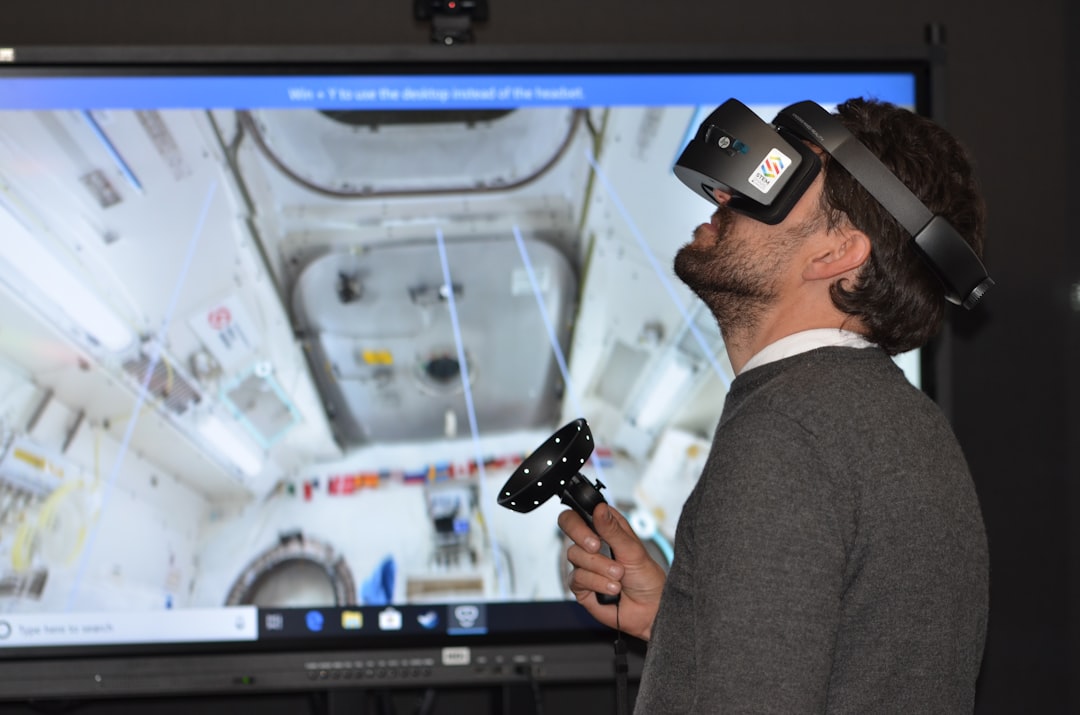
The landscape of social interaction is constantly evolving, and a significant transformation is on the horizon. This is precisely where virtual reality (VR) steps in, poised to reshape the very fabric of social media. The integration of VR into platforms that facilitate human connection is not merely a technological advancement; it represents a fundamental shift in how individuals perceive and experience digital social spaces. This convergence promises to elevate online interactions from two-dimensional representations to immersive, multi-sensory experiences, thus blurring the lines between the digital and the physical.
From the primordial soup of online forums and chat rooms, social media has undergone a profound metamorphosis. Initially, communication was text-based, a minimalist exchange of thoughts and information. The advent of visual media – photographs and then videos – added a layer of richness, allowing users to convey emotions and experiences with greater immediacy. These incremental steps, however, have largely remained within the confines of a screen, presenting a window rather than a doorway into the digital realm.
The Limitations of Current Social Media Paradigms
Current social media platforms, while ubiquitous and powerful, operate within certain inherent limitations. The flat screen acts as a barrier, a literal and metaphorical divide between users. Interactions are often asynchronous, fragmented, and lack the non-verbal cues that are fundamental to human communication in the physical world. Consider the difference between reading a witty comment and hearing a friend’s laughter; the latter conveys a depth of connection that text cannot replicate. This inherent flatness can sometimes lead to misunderstandings, a sense of detachment, and a superficiality that belies the desire for genuine connection.
VR as the Next Iteration of Connection
Virtual reality, by its very nature, endeavors to overcome these limitations. It seeks to dissolve the screen, transporting the user into a simulated environment where they can embody an avatar and engage with others in a three-dimensional space. This leap from passive observation to active participation represents a paradigm shift, akin to moving from viewing a painting to stepping inside it. The goal is to replicate, and in some cases even enhance, the richness and spontaneity of real-world social encounters.
In exploring the transformative impact of technology on social interactions, an insightful article titled “AI Content Creation Tools: Enhancing Productivity Without Losing Your Voice” delves into how artificial intelligence is reshaping content creation in the digital landscape. This discussion complements the examination of virtual reality’s role in social media, as both technologies are pivotal in redefining user engagement and communication. For a deeper understanding of how AI tools can enhance productivity while maintaining authenticity, you can read the article here: AI Content Creation Tools: Enhancing Productivity Without Losing Your Voice.
Redefining Presence and Interaction in Virtual Social Spaces
The core promise of VR in social media lies in its ability to redefine the concept of presence. When individuals engage with social media today, they are present through their content or their comments. In VR, however, the individual is virtually present within a shared space, fostering a sense of co-location that is profoundly different from traditional online interactions.
Experiential Co-presence and Shared Environments
Imagine attending a virtual concert with friends, not just watching a livestream, but standing beside them, hearing their reactions, and feeling the energy of the crowd. This is the essence of experiential co-presence. VR allows for the creation of shared virtual environments – from bustling city squares to serene natural landscapes – where users can interact in a myriad of ways. These environments become the “third place,” a digital equivalent of coffee shops or parks, where spontaneous encounters and planned gatherings can unfold. The ability to navigate these spaces, to gesture, to make eye contact (through avatar representation), and to hear spatialized audio significantly deepens the sense of connection.
The Role of Avatars and Non-Verbal Communication
Avatars are the digital embodiments of users within VR. They are the vessels through which individuals manifest their presence and personality. The level of customization and expressiveness of these avatars will be crucial. Advanced VR systems are already exploring technologies like eye-tracking and facial expression capture to translate real-world non-verbal cues into the virtual realm. A subtle nod, a fleeting smile, or a shift in posture – these nuances, often lost in current digital communication, can be recaptured, adding layers of meaning and authenticity to interactions. This allows for a richer and more intuitive understanding of others, reducing the ambiguity inherent in text-based or even video-based communication.
Overcoming Geographical Barriers and Fostering Global Communities
One of the most compelling aspects of VR in social media is its potential to obliterate geographical barriers. Imagine having a board meeting with colleagues scattered across continents, not via a flat video call, but in a shared virtual conference room, where you can walk around a table, present physical models, and engage as if everyone were in the same room. This transcends mere communication; it enables collaboration and community building on a truly global scale, fostering a sense of shared experience that traditional methods struggle to achieve.
The Economic and Creative Opportunities within VR Social Media
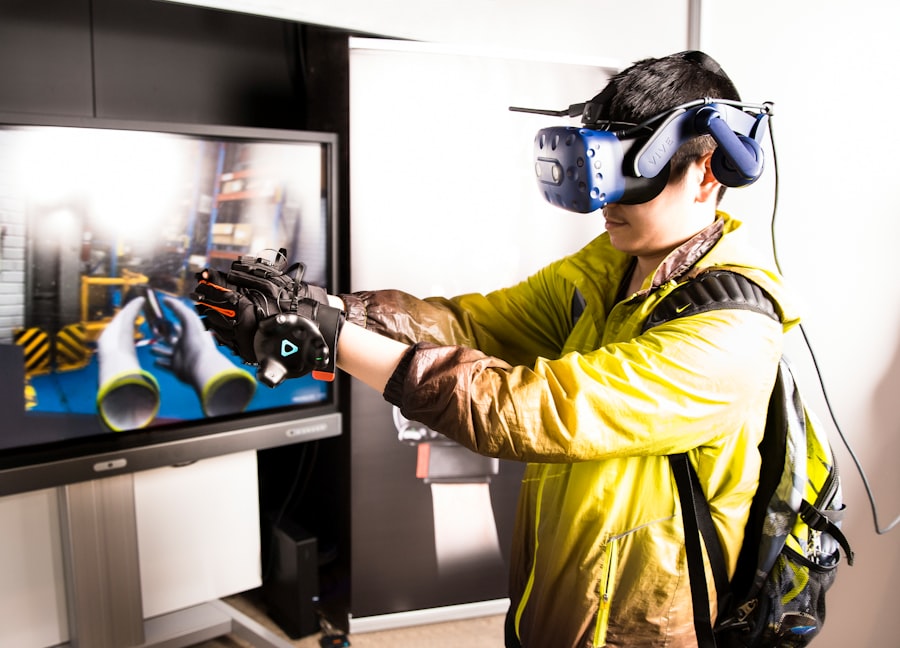
The integration of VR into social media is not merely about enhancing human connection; it also unlocks a vast new frontier of economic and creative possibilities. This nascent ecosystem is ripe for innovation, offering unprecedented avenues for commerce, content creation, and entertainment.
The Rise of Virtual Economies and Digital Goods
Just as in the physical world, virtual worlds will likely develop their own robust economies. Users will be able to create, buy, and sell digital goods – from custom avatar clothing and virtual furniture to unique experiences and even digital real estate. Non-fungible tokens (NFTs) are already demonstrating the potential for verifiable ownership of digital assets, and this trend is expected to accelerate within VR social platforms. This opens up entirely new revenue streams for creators, developers, and platform providers alike, creating a vibrant marketplace for virtual goods and services.
Content Creation and Experiential Advertising
The nature of content creation will undergo a significant transformation. Beyond traditional photos and videos, users will be able to create and share immersive experiences – virtual tours, interactive stories, and even mini-games. This shift from passive consumption to active participation will blur the lines between creator and audience. Furthermore, advertising will evolve from banners and pop-ups to experiential marketing. Imagine test-driving a virtual car or trying on virtual clothes in a digital store, all within a social VR environment. Brands can create immersive experiences that directly engage users, fostering a deeper connection and understanding of their products.
Democratization of Creativity and Skill Development
VR platforms can democratize creativity, providing intuitive tools for users to build and design their own virtual spaces and objects, even without extensive coding knowledge. This fosters a new generation of digital artisans and architects. Moreover, the immersive nature of VR can be utilized for skill development and education, allowing individuals to learn and practice new abilities in a safe and engaging virtual environment, perhaps even within a social context with virtual mentors and peers.
Challenges and Considerations for Widespread VR Social Adoption

Despite its immense potential, the path to widespread adoption of VR in social media is not without its hurdles. These challenges span technological, ethical, and societal domains, requiring careful consideration and strategic solutions.
Technological Barriers and Accessibility
The primary technological barrier remains the accessibility of VR hardware. While prices are declining, high-quality VR headsets still represent a significant investment for many consumers. Furthermore, the need for powerful computing resources and robust internet connectivity can limit adoption. The form factor of headsets, their weight, and the potential for motion sickness are also factors that need continuous improvement to ensure a comfortable and seamless user experience. Overcoming these limitations will be crucial for VR to move beyond niche markets and into the mainstream.
Ethical Implications and Privacy Concerns
As with any powerful technology, VR in social media presents a host of ethical considerations. Data privacy is paramount. With the collection of detailed biometric data, eye-tracking information, and spatial movements, platforms must implement robust safeguards to protect user information. The potential for harassment, cyberbullying, and even virtual assault takes on a new dimension in immersive environments, necessitating strong moderation tools and community guidelines. Moreover, the psychological impact of prolonged immersion, the blurring of reality, and the potential for addiction or escapism are complex issues that require ongoing research and responsible development.
The Learning Curve and User Experience Design
For many, interacting in a fully immersive 3D environment will be a novel experience, requiring a learning curve. Intuitive user interface (UI) and user experience (UX) design will be critical to onboarding new users and making the technology approachable. The design of avatars, navigation schemes, and interaction metaphors must be carefully considered to ensure that the experience is engaging and not overwhelming. The goal is to make virtual interaction as natural and seamless as possible, mimicking the ease with which we navigate the physical world.
As we explore the transformative potential of virtual reality in shaping the future of social media, it is intriguing to consider how design aesthetics will evolve alongside these technologies. A related article discusses the impact of minimalist web design on user experience, emphasizing the importance of simplicity in creating powerful interactions. You can read more about this concept in the article on minimalist web design, which highlights how a clean and focused approach can enhance engagement in an increasingly complex digital landscape.
The Future Landscape: Integration, Interoperability, and the Metaverse
| Metric | Current Value (2024) | Projected Value (2030) | Notes |
|---|---|---|---|
| Number of VR Social Media Users | 50 million | 500 million | Expected 10x growth due to improved accessibility and hardware |
| Average Daily Time Spent in VR Social Platforms | 30 minutes | 90 minutes | Increased engagement with immersive experiences |
| VR Social Media Market Penetration | 5% | 35% | Percentage of total social media users adopting VR platforms |
| Investment in VR Social Media Technologies | 1.2 billion | 15 billion | Annual global investment in research and development |
| Number of VR-Enabled Social Media Platforms | 10 | 50 | Growth driven by startups and established social media companies |
| User Satisfaction Rate with VR Social Media | 68% | 85% | Improved user experience and content diversity |
| Percentage of Social Media Content Created in VR | 3% | 25% | Shift towards immersive and interactive content formats |
The ultimate vision for VR in social media extends beyond individual platforms. It points towards a future where digital and physical realities intertwine, and where the concept of a “metaverse” begins to take shape.
Seamless Blending of Digital and Physical Identities
Imagine a world where your digital avatar is an extension of your physical self, capable of seamlessly traversing virtual worlds and interacting with augmented reality elements in the physical world. This blending of identities could lead to a more coherent and integrated sense of self, where online and offline experiences are not disparate but rather fluid and interconnected. This presents opportunities for both personal expression and new forms of social engagement.
The Interconnected Metaverse and Universal Avatars
The concept of a truly interconnected metaverse, where users can move freely between different virtual platforms with a persistent identity and digital assets, is the grand ambition. This would require significant collaboration and standardization among technology companies. Universal avatars and interoperable digital goods would eliminate walled gardens and foster a more open and expansive digital ecosystem. This vision, while ambitious, holds the potential to unlock unprecedented levels of social connectivity and digital creativity.
Societal Transformation and New Forms of Community
As VR social media matures, it has the potential to profoundly impact societal structures and the way communities form. Geographical location may become less of a determinant for deep social connections, allowing for the formation of communities based purely on shared interests, passions, or a sense of belonging. This could lead to a more diverse and interconnected global society, but also raises questions about the nature of offline communities and the balance between virtual and physical social interaction.
In conclusion, the role of virtual reality in the future of social media is transformative and multifaceted. It promises to move beyond mere communication to create deeply immersive and experiential social spaces, redefining our understanding of presence, interaction, and community. While significant challenges remain, the trajectory of technological advancement and the inherent human desire for connection suggest that VR will not只是 an addition to social media, but potentially its next evolutionary stage, offering a rich tapestry of new experiences and interactions that will reshape the digital and, by extension, the real world.
FAQs
What is virtual reality (VR) in the context of social media?
Virtual reality in social media refers to the use of immersive 3D environments where users can interact with each other and digital content in real-time, creating more engaging and lifelike social experiences beyond traditional text, images, and videos.
How is virtual reality expected to change social media platforms?
Virtual reality is expected to transform social media by enabling users to meet in virtual spaces, attend events, collaborate, and share experiences in a more immersive and interactive way, enhancing social connections and creating new forms of digital communication.
What are some current examples of VR integration in social media?
Current examples include platforms like Facebook Horizon and VRChat, where users create avatars and interact in virtual worlds, as well as VR features in apps that allow 360-degree video sharing and virtual meetups.
What are the potential benefits of using VR in social media?
Benefits include increased user engagement, more meaningful social interactions, opportunities for remote collaboration, enhanced entertainment experiences, and the ability to connect people across distances in a more personal and immersive manner.
What challenges does virtual reality face in becoming mainstream in social media?
Challenges include the high cost of VR hardware, technical limitations such as motion sickness and bandwidth requirements, privacy and security concerns, and the need for widespread user adoption and content development to make VR social media experiences compelling.