
The concept of a modular smartphone, a device whose components can be individually swapped out and upgraded, has long been a tantalizing prospect for tech enthusiasts and pragmatists alike. At its core, the idea is simple: instead of discarding an entire device when a single component ages or fails, users could replace just that part, extending the lifespan of their phone, reducing electronic waste, and offering a degree of customization previously unheard of in the mainstream mobile market. This article will delve into the history, the challenges, the potential, and the enduring question of whether modular smartphones represent a sustainable future or a fleeting fad.
The dream of a user-upgradable and repairable smartphone is not new. It pre-dates even the modern smartphone era, finding its roots in the personal computer industry. As personal computers became ubiquitous, the ability to upgrade RAM, graphics cards, or storage was a key factor in their longevity and user satisfaction. This ethos, however, struggled to translate to the hyper-integrated and increasingly sealed nature of early mobile phones.
Early Visions and the Desire for Longevity
The desire for phones that lasted longer and were less disposable was a palpable undercurrent in early mobile technology discourse. Consumers were frustrated by the rapid obsolescence of devices, driven by both technological advancement and planned obsolescence. This frustration fostered an environment ripe for an alternative approach.
Project Ara: Google’s Ambitious Undertaking
Perhaps the most prominent and widely recognized attempt to bring modular smartphones to the masses was Google’s Project Ara. Launched in 2013, Ara aimed to create a highly customizable platform where users could select and attach various hardware modules – cameras, speakers, e-readers, health sensors – onto a structural frame. The vision was for a device that evolved with the user, a device where a better camera could be added without needing a new phone.
The Technical Hurdles of Interconnectivity
Project Ara, as ambitious as it was, encountered significant obstacles. Designing a robust and reliable system for connecting multiple modules, ensuring seamless data transfer and power distribution, presented a formidable engineering challenge. The sheer number of potential module combinations also made standardization and rigorous testing a monumental task.
The Market Reception and Project Ara’s Demise
Despite generating considerable excitement among early adopters and the tech press, Project Ara ultimately failed to materialize into a consumer product. Google officially canceled the project in 2016, citing challenges in development and a lack of clear market direction. The reasons for its demise were multifaceted, including the aforementioned technical complexities, but also potentially a disconnect from the consumer realities and preferences of the time.
In exploring the potential of modular smartphones, one can draw parallels to the advancements in technology that enhance user experience without compromising individuality. A related article that delves into the impact of technology on productivity is available at AI Content Creation Tools: Enhancing Productivity Without Losing Your Voice. This piece discusses how innovative tools can streamline processes while allowing for personal expression, much like how modular smartphones aim to provide customizable features tailored to individual needs.
The Pillars of Modularity: Design and Functionality
The appeal of modular smartphones rests on two fundamental pillars: their innovative design and the promise of enhanced functionality. The ability to personalize and upgrade is not merely a technical novelty; it speaks to deeper desires for control, sustainability, and a more tailored user experience.
The Lego Principle: Building Your Own Device
The often-used metaphor of “Lego bricks” for modular components captures the essence of this design philosophy. Users would theoretically be able to snap in a superior camera module on a Tuesday, a larger battery on a Friday, and a dedicated gaming controller the following week. This granular control over hardware would allow for a truly bespoke device.
Beyond Hardware: The Software Ecosystem
For a modular smartphone to truly succeed, it cannot solely focus on hardware. A robust software ecosystem that supports and intelligently integrates these interchangeable components is crucial. Operating systems would need to be designed with modularity in mind, able to recognize and adapt to new hardware configurations seamlessly.
Drivers and Compatibility: A Potential Minefield
Ensuring that all modules function correctly with the underlying operating system and other components is a significant software hurdle. Developing and maintaining drivers for an ever-expanding array of third-party modules would be a continuous challenge for the platform provider.
User Interface Adaptability: A Smooth Transition
The user interface would also need to adapt to the presence or absence of specific modules. For instance, if a specialized camera module is attached, the camera app should automatically present advanced controls. This requires intelligent software that can dynamically reconfigure the user experience.
The Environmental Imperative: A Sustainable Future for Smartphones?
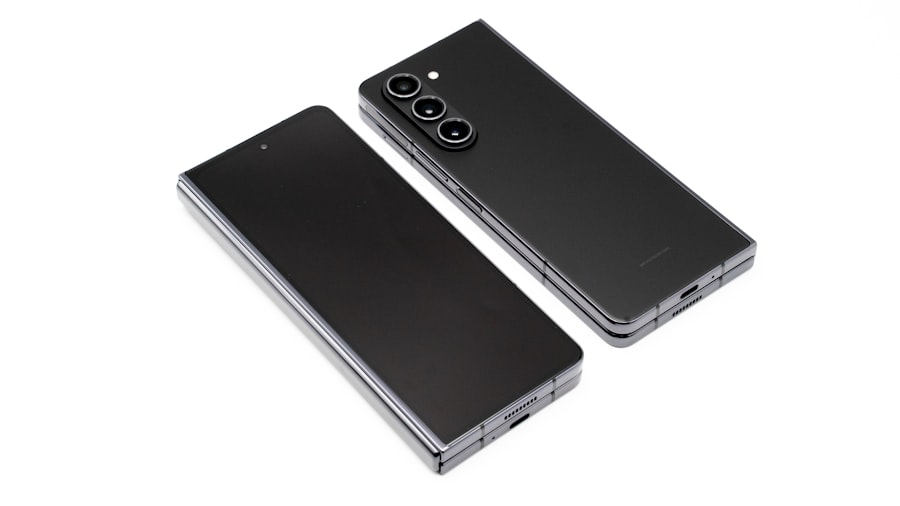
One of the most compelling arguments for modular smartphones lies in their potential to address the growing environmental crisis of electronic waste. The current cycle of smartphone obsolescence contributes significantly to landfill burden and the depletion of precious resources.
The E-Waste Avalanche: A Growing Global Problem
The sheer volume of discarded smartphones is staggering. Billions of devices are replaced annually, and a significant portion ends up in landfills, leaching toxic materials into the environment. This creates a persistent problem that conventional recycling methods struggle to keep pace with.
Resource Depletion: The Hidden Cost of Our Devices
The manufacturing of smartphones requires an array of rare earth minerals and precious metals. Mining these materials often has severe environmental and social consequences. A modular approach, by extending device lifespan, could significantly reduce the demand for these resources.
Repairability and Longevity: Extending the Lifespan
The core promise of modularity is longevity. Instead of a cracked screen or a failing battery necessitating a new phone, a user could simply replace that specific module, significantly extending the useful life of their device. This “right to repair” ethos is a powerful draw for environmentally conscious consumers and advocacy groups.
Reducing Manufacturing Footprint: One Module at a Time
Each time a user upgrades a single module rather than an entire phone, the environmental impact associated with manufacturing a new smartphone is averted. This ripple effect, scaled across millions of users, could have a substantial positive impact on the planet.
The Market Realities: Consumer Adoption and Economic Viability

Despite the theoretical advantages, the widespread adoption of modular smartphones hinges on several critical market realities, including consumer willingness to embrace a new paradigm and the economic feasibility for manufacturers.
The “Good Enough” Syndrome: Consumer Inertia
Many consumers are content with the current smartphone experience. Their devices, while not cutting-edge, are “good enough” for their daily needs. Convincing this broad audience to switch to a more complex, potentially less aesthetically polished, and possibly more expensive modular system requires a significant shift in perception.
Convenience Over Customization: The Dominance of Integrated Design
The trend in smartphone design has been towards increasingly sleek, integrated devices. Users have become accustomed to the convenience of a single, unified unit. The perceived complexity and potential bulk of modular designs might be a deterrent for a large segment of the market.
The Business Model Challenge: Profitability in Repair
For manufacturers, the traditional business model relies on frequent device upgrades and sales of new units. A modular approach, by extending device lifespan, could disrupt this model. The profitability of selling individual modules and supporting a diverse ecosystem needs to be thoroughly explored and proven.
The Component Marketplace: Competition and Standardization
The success of a modular ecosystem would likely involve a diverse marketplace of component providers. Establishing standards for module compatibility and ensuring fair competition would be crucial. A fragmented market or a monopolistic component supply could stifle innovation and user choice.
In exploring the potential of modular smartphones, it’s interesting to consider how design principles can influence technology’s evolution. A related article discusses the significance of minimalist web design and its ability to create a powerful impact with fewer elements, which parallels the modular approach in smartphone development. By focusing on essential components, both fields aim to enhance user experience and functionality. For more insights on this topic, you can read about it in this article.
The Present and Future: What Lies Ahead for Modular Smartphones?
| Aspect | Modular Smartphones | Traditional Smartphones | Notes |
|---|---|---|---|
| Upgradeability | High – individual components can be replaced or upgraded | Low – usually requires full device replacement | Modular design promotes sustainability and customization |
| Repairability | Easy – users can swap out faulty modules | Difficult – often requires professional repair or replacement | Modular phones reduce electronic waste |
| Device Weight | Typically heavier due to modular connectors | Lighter and more compact | Weight can affect portability and user comfort |
| Performance | Varies – depends on individual modules | Optimized for integrated components | Traditional phones often have better integrated performance |
| Market Adoption | Low – niche market with limited models | High – dominant market share worldwide | Modular phones face challenges in mass adoption |
| Price Range | Moderate to high – cost of modules adds up | Wide range – from budget to premium | Modular phones can be cost-effective long-term |
| Environmental Impact | Lower – promotes reuse and reduces waste | Higher – frequent replacements increase waste | Modular phones align with eco-friendly trends |
| Customization | High – users can choose specific modules | Limited – mostly software customization | Modular phones offer personalized hardware options |
While the grand vision of Project Ara may have faded, the pursuit of modularity in smartphones is far from over. Niche players and innovative startups continue to explore different approaches, seeking to overcome the challenges that have historically plagued the concept.
Fairphone: A Pioneer in Ethical and Modular Design
Fairphone, a Dutch company, has emerged as a significant proponent of modular and ethically produced smartphones. Their devices are designed for longevity and repairability, allowing users to easily replace components like the screen, battery, and camera. While their market share is relatively small, they have demonstrated the viability of a more sustainable and user-centric approach.
Ease of Repair: Empowering the User
Fairphone’s commitment to repairability is evident in their accessible design and the availability of spare parts and repair guides. This empowers users to take ownership of their devices and extend their lifespan, a stark contrast to the often-sealed and difficult-to-repair nature of mainstream smartphones.
Beyond Fairphone: Emerging Concepts and Innovations
Beyond established players like Fairphone, numerous smaller ventures and academic research initiatives are exploring various facets of modular smartphone technology. These efforts range from specialized modules for specific industries to novel approaches to module interconnectivity.
The Evolutionary Path: Incremental Modularity
It is possible that the future of modular smartphones will not be a radical departure but rather an evolutionary step. We might see an increasing integration of user-replaceable components within conventionally designed smartphones, offering a compromise between full modularity and current industry trends.
Swappable Batteries: A Glimpse of What’s Possible
The resurgence of phones with swappable batteries, although niche, demonstrates that there is still a consumer appetite for easily replaceable power sources. This could be a stepping stone towards broader modularity.
Upgradeable Components: A Gradual Shift
Future smartphones might allow for the straightforward upgrading of specific components, such as cameras or storage, while maintaining a largely integrated design. This would offer a degree of customization without the perceived complexity of a fully modular system.
The Verdict: A Future of Augmentation, Not Replacement?
Ultimately, the question of whether modular smartphones are the future or just a fad remains open to debate. The path to widespread adoption is fraught with challenges, from technical complexities to consumer inertia and the established business models of major manufacturers. However, the growing awareness of environmental concerns and the persistent desire for greater control over our technology suggest that the principles of modularity will continue to influence the smartphone landscape. Instead of a complete overhaul, we may witness a more gradual integration of modular thinking, where certain components become increasingly user-upgradable and repairable, slowly shifting the paradigm away from disposable technology. The potential for a more sustainable, personalized, and enduring mobile future is undeniable, but its realization will require a concerted effort from manufacturers, developers, and consumers alike to embrace this alternative vision. The modular smartphone may not become the dominant force overnight, but its underlying principles are likely to shape the evolution of our most personal devices for years to come, acting as a persistent whisper of a more responsible and empowering technological future.
FAQs
What are modular smartphones?
Modular smartphones are mobile devices designed with interchangeable components or modules, allowing users to upgrade or replace parts such as the camera, battery, or processor without needing to buy a new phone.
What are the potential benefits of modular smartphones?
Modular smartphones can extend the device’s lifespan, reduce electronic waste, allow for customization based on user needs, and potentially lower repair costs by enabling easy replacement of faulty or outdated parts.
What challenges do modular smartphones face in the market?
Challenges include higher production costs, bulkier designs due to modular components, limited consumer demand, compatibility issues between modules, and the complexity of creating a seamless user experience.
Are modular smartphones widely available today?
While some companies have released modular smartphones, such as Google’s Project Ara and Fairphone, these devices remain niche products and are not yet widely adopted in the mainstream smartphone market.
Could modular smartphones become the future standard for mobile devices?
Modular smartphones have the potential to influence future device design by promoting sustainability and customization, but widespread adoption depends on overcoming technical, economic, and consumer acceptance barriers.