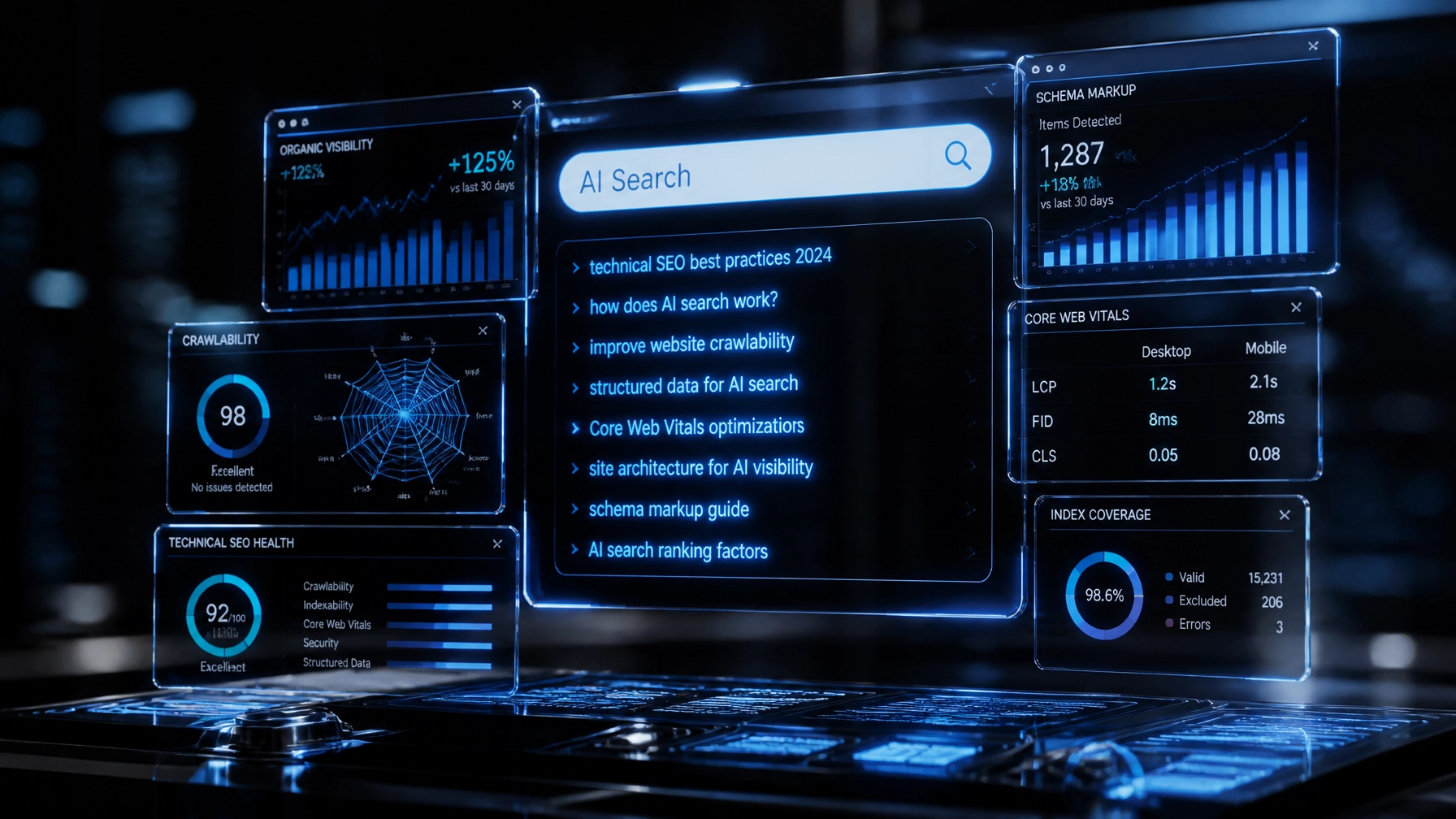
The landscape of information retrieval has reached a critical inflection point where the traditional paradigms of digital discovery are being fundamentally restructured through the integration of advanced artificial intelligence. While the preceding decades of search technology were characterized by the matching of discrete lexical strings: commonly identified as keywords: to static web indices, the contemporary era is defined by a shift toward semantic comprehension and agentic execution. As organizations navigate the complexities of this transition, it has become increasingly evident that the simple optimization for specific phrases is no longer a sufficient strategy for maintaining digital visibility. The emergence of Google’s Intelligent Search Box, powered by the Gemini 3.5 Flash architecture, represents a profound departure from the reactive search models of the past, ushering in a future where search engines function not merely as indexers, but as proactive synthesizers of information and autonomous task executors.
The Architectural Evolution of the Search Interface
The introduction of the Intelligent Search Box in the May 2026 update marks the most significant architectural modification to the search interface in over twenty-five years. By replacing the conventional single-line text entry field with a dynamic, multimodal portal, Google has effectively signaled the obsolescence of the keyword as the primary unit of digital currency. This new interface utilizes Gemini 3.5 Flash to enable a continuous, conversational dialogue between the user and the search ecosystem, whereby the system is capable of interpreting high-dimensional queries that encompass text, imagery, and complex file structures simultaneously. Furthermore, the expansion of the search box into a conversational workspace allows for the preservation of context across multiple interactions, enabling users to refine their objectives through iterative questioning rather than disparate searches.

This shift from rigid queries to fluid conversations has profound implications for how information is consumed and distributed across the global network. Traditional search results, often referred to as the "ten blue links," are increasingly being supplemented: and in many cases, superseded: by AI-generated overviews and interactive dashboards. These components, built upon the Antigravity platform, provide users with immediate, synthesized answers that reduce the necessity for external click-throughs to publisher websites. Consequently, the prioritization of user intent and long-form, complex inquiries has created a landscape where the superficial targeting of high-volume keywords is becoming a legacy practice. Organizations must now recognize that their digital presence will be mediated through an AI layer that favors depth, relevance, and the ability to fulfill multi-step informational needs.
Agentic Search and the Proliferation of Information Agents
Central to this transformation is the rise of agentic search, a paradigm in which the search engine transitions from a passive tool into an active participant in the user's workflow. The deployment of "Information Agents" allows for the continuous monitoring of the digital environment, wherein these specialized AI entities autonomously track developments across news cycles, financial markets, and niche industry updates on behalf of the user. Unlike traditional alert systems that provide simple notifications based on keyword triggers, these agents possess the reasoning capabilities to synthesize vast quantities of data into actionable insights and stateful dashboards. This evolution allows for a higher level of personal intelligence integration, where search results are calibrated not only against the public web but also against a user's private context, including calendar data and personal documents.

Moreover, the agentic capabilities of the modern search ecosystem extend beyond information synthesis to the direct execution of tasks. Through task-oriented agents, the search interface can now manage complex logistics, such as the cross-referencing of real-time availability and pricing to finalize service bookings or even initiating outbound communication with businesses to secure reservations. This level of automation signifies a shift where the search engine acts as a concierge, narrowing the gap between a user’s initial intent and the final transaction. For businesses, this means that visibility is no longer solely about being "found"; it is about being "actionable" within the agentic framework. This necessitates the adoption of robust structured data and API integrations that allow these agents to interact seamlessly with a brand’s digital infrastructure.
Navigating the Paradigm of Unciteable Depth
As artificial intelligence becomes the primary filter through which information is accessed, the concept of "unciteable depth" has emerged as a pivotal metric for content value. This term describes a level of specialized expertise, proprietary data, and nuanced analysis that transcends the general synthesis capabilities of large language models. When a search agent aggregates information from a multitude of sources to generate a custom dashboard, the resulting insight often becomes a unique synthesis that does not reside at a single URL. In this environment, content that merely regurgitates common knowledge is easily captured and repackaged by the AI, leaving the original source with minimal visibility or attribution. To counteract this trend, organizations must focus on creating high-value content that provides unique utility, first-party data, and perspective that cannot be easily replicated by an automated summarization process.

The pursuit of unciteable depth requires a strategic pivot toward authoritative thought leadership and comprehensive resource development. By providing deep, structured, and highly relevant information, businesses can ensure that they remain a primary source for the AI’s synthesis engine, even if the user does not immediately click through to the website. Furthermore, the integration of structured data has become paramount, as it provides the explicit semantic markers that allow Gemini 3.5 Flash to accurately interpret the role of an organization’s offerings within a larger query context. The goal is no longer to capture the click at all costs, but to become an indispensable component of the AI’s "knowledge graph," thereby securing a position as a trusted authority within the conversational search experience.
Synchronizing Strategy with the Agent-Driven Era
The evolution of the search landscape necessitates a comprehensive re-evaluation of digital strategy, encompassing everything from technical infrastructure to brand voice. At JDG.AGENCY, we recognize that the death of the keyword is not the end of digital marketing, but rather the beginning of a more sophisticated era of brand-consumer synergy. Our approach to WordPress web design and development and SEO services is built upon the principle of preparing organizations for this agentic future. We specialize in creating high-performance digital environments that are optimized for both human engagement and AI interpretability, ensuring that our clients' visions are accurately projected into the new search paradigm.

As search engines continue to evolve into interactive application platforms, the importance of maintaining a reliable and agile digital presence cannot be overstated. By leveraging cutting-edge technology and 16 years of industry experience, JDG.AGENCY assists businesses in navigating the transition from keyword-centric discovery to intent-driven interaction. Whether through the implementation of advanced CRM systems, the development of custom automation solutions, or the crafting of authoritative brand identities, we remain committed to delivering results that are both strategically sound and technologically forward-looking. Organizations that embrace these changes today will be the ones that define the digital landscape of tomorrow.
In conclusion, while the transition to an intelligent, agent-driven search environment presents significant challenges to traditional SEO models, it simultaneously offers unprecedented opportunities for organizations that prioritize depth and authenticity. The shift from keywords to conversations represents a maturation of the digital ecosystem, moving toward a more natural and efficient exchange of information. By aligning with these technological advancements and focusing on the delivery of genuine value, businesses can successfully navigate the complexities of the May 2026 update and thrive in the era of the Intelligent Search Box.