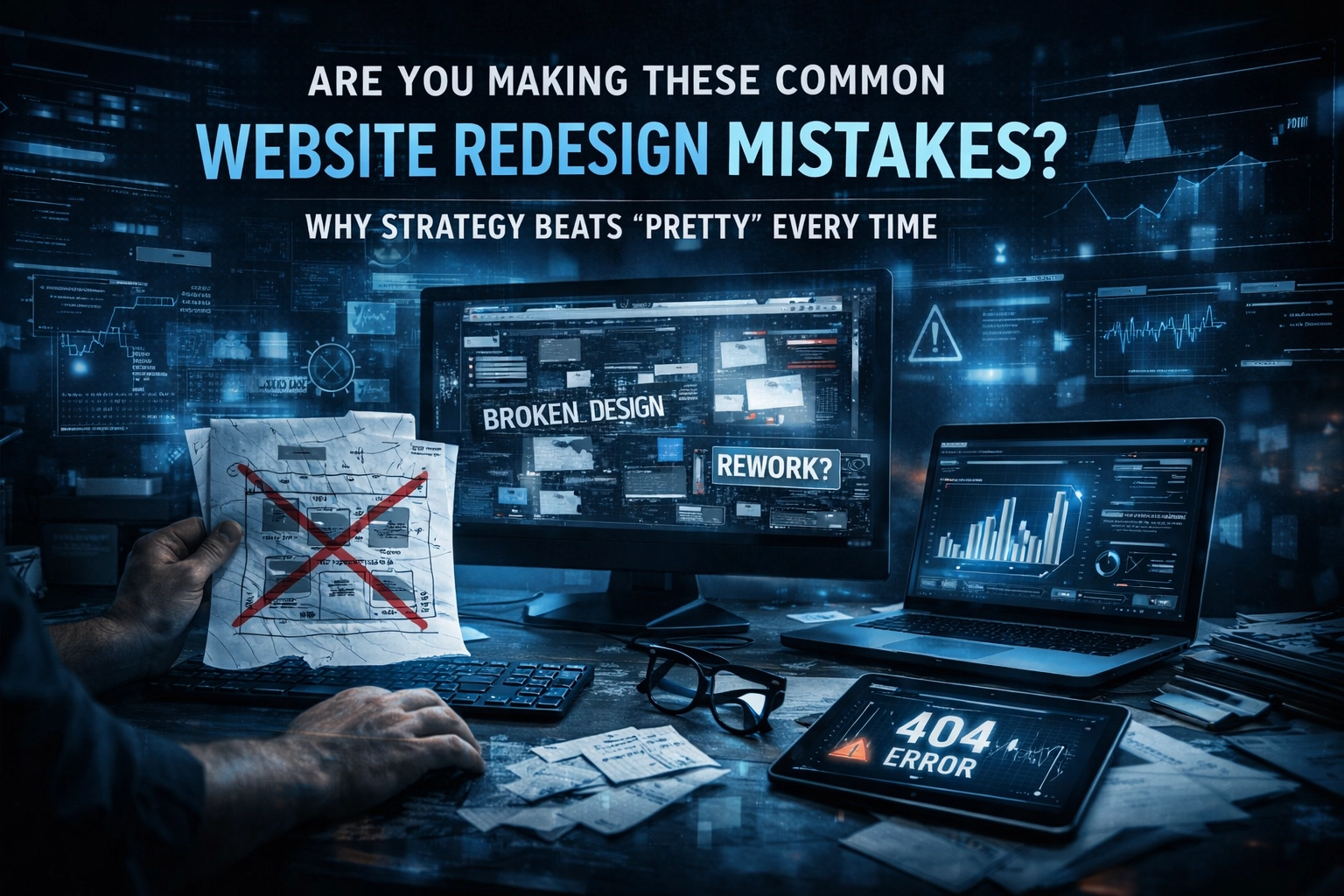
The contemporary digital landscape has undergone a profound transformation, whereby a website has evolved from a mere digital brochure into a sophisticated engine of organizational growth and brand identity. As businesses navigate the complexities of the modern market, the impetus to refresh an online presence often leads to significant investments in website redesign services; however, a recurring phenomenon has emerged where visual allure is prioritized at the expense of structural efficacy. While the pursuit of aesthetic excellence is understandable, the failure to ground these visual enhancements in a robust strategic framework frequently results in suboptimal performance and diminished conversion rates. Consequently, organizations must recognize that a successful digital presence is predicated not merely on "pretty" design, but on the seamless integration of user psychology, technical precision, and data-driven insights.
The Fallacy of Aesthetic Primacy in Contemporary Web Development
The evolution of the internet has fostered a culture where high-fidelity visuals and immersive animations are often conflated with brand authority and technical competence. Organizations frequently embark on redesign projects with the singular goal of achieving a modern "look," yet this narrow focus ignores the underlying mechanisms that drive user engagement and business outcomes. While a visually striking interface may initially capture the attention of a visitor, it is the underlying architecture and strategic intent that facilitate the transition from a casual browser to a committed customer. Furthermore, the aesthetic-first approach often results in the creation of digital environments that are visually stunning yet cognitively taxing: whereby complex layouts and excessive ornamentation obscure the primary call to action and frustrate the user journey.

Visual Description: A high-tech laboratory environment with dark surfaces and neon cyan accents, showcasing digital blueprints and strategic data overlays on floating holographic glass panels, embodying the Global Tech-Noir aesthetic.
The disconnect between visual appeal and functional utility is often exacerbated by a lack of objective performance metrics during the design phase. When decision-making is driven by subjective preferences or the desire to emulate competitors without understanding the rationale behind their choices, the resulting product may lack the necessary features to support specific business goals. As such, the realization that "pretty" does not equate to conversions is a pivotal moment for many organizations; it marks the transition from viewing a website as a static art project to recognizing it as a dynamic tool for revenue generation and customer retention.
The Strategic Framework: Beyond the Surface Level
To mitigate the risks associated with superficial redesigns, businesses must adopt a strategic framework that prioritizes data and user behavior. This shift allows for the development of a digital platform that is not only visually coherent but also functionally superior, enabling the organization to meet its objectives with greater precision. Before a single pixel is modified, a comprehensive analysis of existing performance data: including bounce rates, session durations, and conversion funnels: is paramount. By understanding how users currently interact with the site, a wordpress web design agency can identify friction points and opportunities for enhancement that a purely aesthetic approach would overlook.
Moreover, the establishment of clear, measurable key performance indicators (KPIs) serves as the foundation for every design decision. Whether the objective is to increase lead generation through an online booking system or to enhance the visibility of restaurant websites, the strategy must dictate the design. This methodology ensures that the final product is optimized for the specific needs of the target audience, fostering a synergy between the brand’s visual identity and its functional requirements. In this context, the design serves as the vehicle through which the strategy is delivered, rather than an end in itself.
The Critical Role of Technical Integrity and SEO Continuity
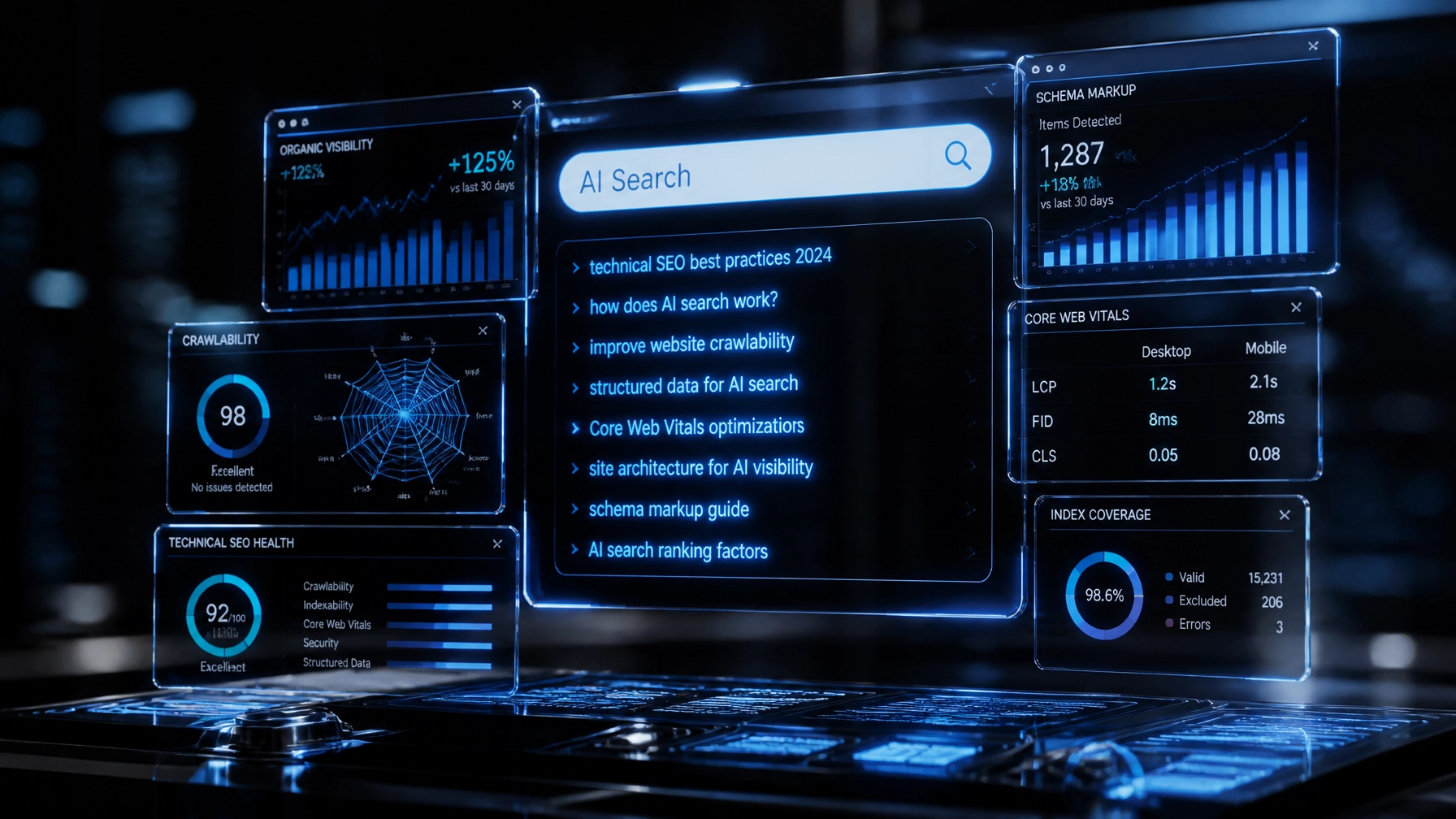
One of the most frequent and damaging mistakes made during the redesign process is the neglect of technical SEO and backend infrastructure. As organizations embrace the latest design trends, they often inadvertently sacrifice the search engine equity that has been built over years of operation. The transition to a new site architecture requires meticulous planning, particularly regarding the implementation of 301 redirects, the preservation of metadata, and the optimization of site speed. Without these considerations, a visually superior site may experience a catastrophic decline in organic traffic, rendering the redesign a failure in the eyes of stakeholders.
Furthermore, the proliferation of mobile devices has made responsive design and technical performance non-negotiable elements of a modern digital strategy. A redesign that prioritizes high-resolution imagery without considering the impact on load times will inevitably suffer from high abandonment rates. Research has consistently demonstrated that the vast majority of users will exit a site if it fails to load within a matter of seconds; thus, the integration of professional web hosting and rigorous performance testing is essential. By ensuring that the technical foundation is sound, businesses can provide a seamless experience that supports their broader marketing objectives.

Visual Description: A sleek, dark server room illuminated by pulsing purple and electric blue neon lights, with streams of digital data flowing through translucent cables, reflecting an innovative and high-tech atmosphere.
Navigation and the Psychology of the User Journey
The structural organization of a website, often referred to as information architecture, plays a pivotal role in determining the success of the user experience. A common pitfall in the redesign process is the creation of over-complicated navigation menus that, while visually interesting, lead to user disorientation. Organizations must prioritize clarity and accessibility, ensuring that visitors can find the information they require with minimal effort. This involves a deep understanding of the user journey, whereby the path from initial entry to final conversion is clearly defined and devoid of unnecessary obstacles.
As businesses strive to cater to diverse audiences, the implementation of specialized solutions: such as real estate websites or hotel websites: requires a nuanced approach to navigation. Each industry has unique user expectations, and the design must adapt to these realities. For instance, a site focused on corporate branding must convey authority and stability, while a platform for wedding websites might prioritize emotional resonance and visual storytelling. Regardless of the industry, the underlying principle remains the same: the design must facilitate the user’s goals, not hinder them.
Leveraging Integrated Solutions for Enhanced Performance
In the contemporary digital ecosystem, a website does not exist in isolation; it is a central hub that must integrate seamlessly with various third-party tools and services. A strategic redesign provides the perfect opportunity to enhance functionality through the adoption of integrated solutions. For example, the incorporation of Jivo Chat can provide immediate customer support, while the integration of Tienda Nube can streamline e-commerce operations. These integrations allow organizations to provide a more holistic and efficient service to their customers, thereby driving engagement and loyalty.

Visual Description: An abstract representation of a global network in Tech-Noir style, featuring neon interconnected nodes over a dark, gridded topographic map, symbolizing seamless integration and digital connectivity.
Furthermore, the protection of user data and the establishment of trust are paramount in the modern era. The implementation of SSL certificates and the clear communication of a privacy policy are not merely regulatory requirements but strategic imperatives. As organizations undergo digital transformation, the commitment to security and transparency has become a key differentiator in a crowded marketplace. By prioritizing these elements during the redesign phase, businesses can build a foundation of trust that supports long-term growth.
The Inevitable Evolution: Embracing a Continuous Improvement Mindset
The completion of a website redesign should not be viewed as the end of a journey, but rather as the beginning of a new phase of evolution. The digital landscape is characterized by constant change, and the most successful organizations are those that embrace a mindset of continuous improvement. By leveraging analytics and user feedback, businesses can refine their digital presence over time, ensuring that it remains aligned with evolving market trends and user expectations. This iterative approach allows for the ongoing optimization of services and ensures that the investment in website redesign services yields lasting value.
In conclusion, the temptation to prioritize aesthetic appeal over strategic substance is a significant challenge for many organizations. However, by recognizing that a website is a sophisticated business tool rather than a mere visual asset, companies can avoid common pitfalls and achieve superior outcomes. The synergy of data-driven strategy, technical integrity, and user-centric design creates a powerful digital presence that not only captivates the audience but also drives tangible results. As businesses look toward the future, the integration of strategy and aesthetics will continue to be the defining characteristic of digital excellence, enabling organizations to navigate the complexities of the global market with confidence and agility.
For those seeking to evaluate their current standing or explore the potential for a strategic overhaul, the path forward begins with a commitment to excellence and a clear understanding of the goals at hand. Engaging with a professional digital agency ensures that every aspect of the digital presence is optimized for success, from domain registration to complex system integrations, fostering a future defined by innovation and growth.