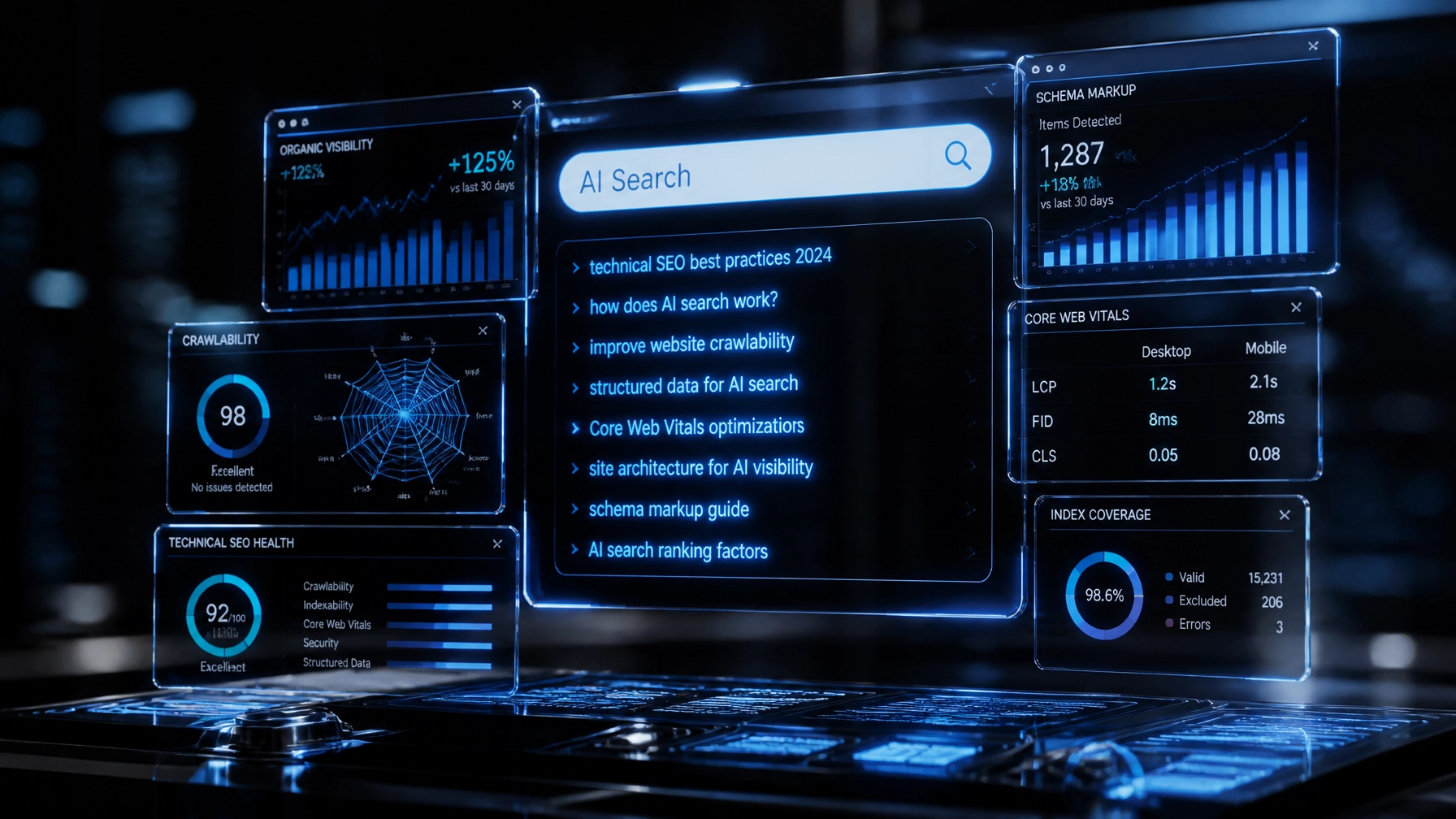
Data-driven web design represents a contemporary methodology for the creation and optimization of digital interfaces. This approach prioritizes factual evidence, derived from user interactions and system performance, to inform design decisions rather than relying solely on intuition or anecdotal observations. The integration of data analytics into the design process facilitates a deeper understanding of user behavior, preferences, and pain points, thereby enabling the development of more effective and user-centric experiences.
The bedrock of data-driven design lies in the systematic collection and analysis of diverse datasets. This process moves beyond a mere accumulation of information, focusing instead on extracting actionable insights that can directly influence design choices. Without a robust data collection strategy and analytical framework, the concept of data-driven design remains largely theoretical.
Quantitative Data: Unveiling User Actions
Quantitative data provides measurable insights into user behavior. This category encompasses a wide array of metrics that can be statistically analyzed to identify trends and patterns. For example, website analytics tools track metrics such as bounce rate, which quantifies the percentage of visitors who navigate away from a site after viewing only one page. A high bounce rate on a landing page, for instance, might suggest that the content is not immediately engaging or relevant to the user’s expectations.
Another crucial metric is conversion rate, which measures the percentage of users who complete a desired action, such as making a purchase or filling out a form. A low conversion rate on an e-commerce product page could indicate issues with the product description, pricing, or the checkout process itself. Time on page, or session duration, provides an indication of user engagement. Pages with consistently low average time on page may suffer from poor content quality, confusing navigation, or slow loading times.
Click-through rates (CTR) for specific elements, such as call-to-action buttons or internal links, reveal the effectiveness of their placement and design. A low CTR on a prominent button, despite high traffic to the page, suggests that the button’s design, wording, or surrounding context is not compelling enough to elicit the desired action. Similarly, event tracking allows designers to monitor specific user interactions beyond page views, such as video plays, form submissions, or downloads. This granular data provides a detailed map of how users navigate and interact with various components of a website. When evaluating these metrics, it is imperative to establish clear benchmarks and identify statistically significant deviations from the expected performance.
Qualitative Data: Understanding User Motivations
While quantitative data reveals what users are doing, qualitative data illuminates why they are doing it. This type of data provides rich, descriptive insights into user motivations, perceptions, and experiences. For example, user interviews involve direct conversations with target users to gather their thoughts, feelings, and experiences with a website or prototype. These interviews can uncover subtle usability issues or unmet needs that quantitative data alone might not reveal.
Usability testing involves observing users as they attempt to complete specific tasks on a website. During these sessions, researchers can identify pain points, observe navigation patterns, and gather immediate feedback on design elements. User-recorded sessions, utilizing tools that capture screen activity and user interactions, offer a non-intrusive way to observe user behavior in a natural environment. These recordings can highlight areas of confusion, frustration, or unexpected usage patterns. Sentiment analysis, applied to open-ended survey responses, social media comments, or customer support transcripts, can provide a general understanding of user attitudes towards design elements or content. By triangulating quantitative and qualitative data, designers can form a comprehensive understanding of the user experience, moving beyond mere numbers to grasp the human element behind the interactions.
In the realm of data-driven web design, understanding user experience (UX) is crucial for making informed decisions that enhance engagement and satisfaction. A related article that delves into the intersection of technology and creativity is titled “AI Content Creation Tools: Enhancing Productivity Without Losing Your Voice.” This piece explores how AI tools can assist designers and content creators in streamlining their processes while maintaining a unique brand voice. For more insights on this topic, you can read the article here.
From Data Collection to Actionable Insights
The raw data, whether quantitative or qualitative, is merely the starting point. The real value emerges from the rigorous analysis and interpretation of this data to generate actionable insights. Without a strategic approach to analysis, data can remain a vast, untamed wilderness.
Data Visualization: Making Complexities Comprehensible
Effective data visualization transforms complex datasets into easily understandable graphical representations. When presented with raw numbers, human cognition can struggle to identify patterns and trends quickly. Visualizations, such as dashboards and heatmaps, serve as powerful tools for conveying insights efficiently. Dashboards, for instance, aggregate key metrics into a single, digestible view, allowing designers to monitor performance at a glance. They act as the cockpit of the design process, providing essential readings for navigation.
Heatmaps, on the other hand, visually represent areas of high and low user interaction on a webpage. Click heatmaps show where users are clicking the most, revealing popular interactive elements or areas that are mistakenly perceived as interactive. Scroll maps indicate how far down a page users are scrolling, highlighting content that is frequently missed or indicating an overly long page. Eye-tracking heatmaps, though more specialized, reveal where users’ gaze is directed, offering insights into visual hierarchy and focal points. Through these visual representations, designers can quickly pinpoint areas requiring attention or identify successful design elements that can be replicated.
A/B Testing: Scientific Design Iteration
A/B testing, also known as split testing, is a controlled experimental methodology used to compare two versions of a webpage or design element to determine which one performs better. This method involves randomly dividing website traffic between two variations (A and B) and measuring their performance against a predefined metric, such as conversion rate or click-through rate. For example, a designer might test two different versions of a call-to-action button: one with a bold red color and the other with a subtle green. By serving each version to a different segment of the audience and tracking the resulting engagement, the designer can objectively determine which color elicits a stronger response.
Multivariate testing extends this concept by simultaneously testing multiple combinations of design elements, such as different headlines, images, and button placements. While more complex to set up and requiring larger traffic volumes to achieve statistical significance, multivariate testing can uncover synergistic effects between different design choices. The core principle of both A/B and multivariate testing is to isolate variables and measure their impact, allowing designers to make data-backed decisions about design iterations and progressively optimize the user experience.
Optimizing User Experience Through Data
The ultimate goal of data-driven web design is to enhance the user experience (UX). By continuously gathering and analyzing data, designers can identify friction points, anticipate user needs, and create more intuitive and satisfying digital journeys. The process of optimization is not a one-time event but rather a continuous cycle of observation, hypothesis, experimentation, and refinement.
Personalization: Tailoring the Digital Journey
Personalization involves adapting the website content, layout, or functionality based on individual user characteristics, preferences, or past behavior. This approach recognizes that a one-size-fits-all experience is often suboptimal. For example, an e-commerce website might recommend products based on a user’s previous purchases, browsing history, or demographic data. A news website could display articles from categories a user has previously engaged with, creating a more relevant and engaging content stream.
Data-driven personalization moves beyond simple geographic targeting to encompass a holistic understanding of the individual user. This requires sophisticated algorithms to process vast amounts of user data in real-time, delivering dynamic and contextually relevant experiences. By creating a more personalized interaction, websites can foster greater engagement, increase satisfaction, and ultimately drive higher conversion rates. The challenge lies in striking a balance between personalization and respecting user privacy, ensuring that data is used ethically and transparently.
Usability Improvements: Smoothing the User Path
Data-driven insights are invaluable for identifying and resolving usability issues that hinder user interaction. For instance, if analytics data consistently shows a high exit rate on a particular form field, it suggests that the field might be confusing, demanding too much information, or experiencing technical glitches. Further investigation through qualitative data, such as user interviews or usability testing, could reveal that the field’s label is ambiguous or that users are reluctant to provide the requested information.
Similarly, if navigation path analysis reveals that users are frequently unable to find key information or are taking circuitous routes to reach their desired destination, it indicates a flaw in the information architecture or navigational design. Designers can then use this data to redesign menu structures, improve search functionality, or introduce clearer signposting. The continuous monitoring of user behavior through data allows for the proactive identification of usability shortcomings, transforming the process of user interface (UI) improvement from reactive problem-solving to proactive optimization.
The Iterative Nature of Data-Driven Design

Data-driven web design is inherently an iterative process. It is not a linear progression from conception to launch, but rather a continuous cycle of analysis, design, implementation, and evaluation. This cyclical approach allows for constant improvement and adaptation based on real-world user feedback.
Continuous Monitoring and Feedback Loops
After a design change or new feature implementation, continuous monitoring of key performance indicators (KPIs) is essential. Like a ship’s captain constantly checking instruments, designers must observe how these changes impact user behavior and overall website performance. This involves regular review of analytics dashboards, conducting recurring A/B tests, and gathering ongoing qualitative feedback. The establishment of robust feedback loops ensures that insights gained from monitoring are promptly fed back into the design process.
For example, if a new checkout flow is implemented, designers would continuously monitor conversion rates, abandonment rates at each step, and customer support inquiries related to the checkout process. Any negative trends would trigger further investigation and subsequent design adjustments. This continuous feedback mechanism keeps the design process agile and responsive to evolving user needs and preferences.
Adaptation and Refinement: The Evolutionary Path
The digital landscape is not static; user behaviors, technological capabilities, and business objectives are constantly evolving. Data-driven design fosters an adaptive approach, allowing websites to evolve rather than becoming stagnant. When data reveals shifts in user engagement patterns, changes in device usage, or emerging trends, designers can proactively adapt their strategies and refine the user experience.
This adaptability extends to the very content and functionality offered by the website. For instance, if an e-learning platform observes a significant increase in mobile usage for completing quizzes, data might prompt a redesign of quiz interfaces to prioritize mobile-first usability. This continuous refinement, guided by empirical evidence, ensures that websites remain relevant, effective, and user-centric over time, serving as a dynamic and responsive entity rather than a static digital brochure.
In the realm of web design, understanding the principles of data-driven decision-making can significantly enhance user experience. A related article explores the concept of minimalist web design and how it can create a powerful impact with less, emphasizing the importance of simplicity in UX. For those interested in this approach, you can read more about it in the article on minimalist web design. By integrating insights from both data-driven strategies and minimalist aesthetics, designers can craft websites that are not only visually appealing but also highly functional.
Challenges and Ethical Considerations
| Metric | Description | Example Value | Impact on UX Decision |
|---|---|---|---|
| Click-Through Rate (CTR) | Percentage of users who click on a specific link or button | 12.5% | Helps identify which CTAs are most effective |
| Bounce Rate | Percentage of visitors who leave after viewing only one page | 38% | Indicates if landing pages need improvement |
| Session Duration | Average time users spend on the website | 3 minutes 45 seconds | Measures engagement and content relevance |
| Conversion Rate | Percentage of users completing a desired action | 7.8% | Evaluates effectiveness of design in driving goals |
| Heatmap Data | Visual representation of user clicks and scrolls | Top 3 buttons receive 60% of clicks | Guides layout optimization and element placement |
| User Feedback Score | Average rating from user surveys on usability | 4.2 / 5 | Direct insight into user satisfaction |
| Form Abandonment Rate | Percentage of users who start but do not complete forms | 25% | Identifies friction points in form design |
While data-driven web design offers significant advantages, it also presents challenges and necessitates careful ethical considerations. Like any powerful tool, its application requires discernment and responsibility.
Data Overload and Interpretation Bias
One significant challenge is the sheer volume of data that can be collected. The abundance of information can lead to “analysis paralysis,” where designers struggle to extract meaningful insights from a sea of metrics. Effective data governance, robust analytical tools, and clearly defined research questions are crucial to navigate this data deluge.
Furthermore, interpretation bias can influence how data is understood. Designers, like all humans, may inadvertently seek out data that confirms their pre-existing hypotheses or ignore data that contradicts them. To mitigate this, it is essential to cultivate a culture of critical thinking, encourage diverse perspectives in data analysis, and establish clear methodologies for drawing conclusions. Relying on statistical significance and peer review of analysis can also help counteract individual biases.
Privacy Concerns and Responsible Data Usage
The collection and utilization of user data raise significant privacy concerns. Users are increasingly aware of their digital footprint, and organizations have a fundamental responsibility to protect this sensitive information. Adherence to data privacy regulations, such as the General Data Protection Regulation (GDPR) or the California Consumer Privacy Act (CCPA), is not merely a legal obligation but an ethical imperative.
This requires transparent communication with users about what data is being collected, how it will be used, and providing clear options for consent and data management. Designers must prioritize anonymity and data aggregation whenever possible, using personal data only when absolutely necessary and with explicit user permission. The ethical use of data builds trust, which is a cornerstone of a positive user experience. Misuse of data can erode trust, leading to user abandonment and reputational damage. Therefore, designers must integrate ethical considerations into every stage of the data-driven design process, ensuring that the pursuit of enhanced UX does not come at the expense of user privacy and autonomy.
FAQs
What is data-driven web design?
Data-driven web design is an approach that uses data and analytics to inform and guide the design decisions of a website. This method relies on user behavior, feedback, and performance metrics to create a more effective and user-friendly experience.
How does data-driven web design improve user experience (UX)?
By analyzing real user data, designers can identify pain points, preferences, and behaviors. This allows them to make informed changes that enhance usability, navigation, and overall satisfaction, leading to a smarter and more intuitive UX.
What types of data are commonly used in data-driven web design?
Common data types include user interaction metrics (clicks, scrolls, time on page), heatmaps, A/B testing results, user surveys, and feedback forms. These data sources help designers understand how users engage with the website.
Can data-driven web design be applied to any type of website?
Yes, data-driven web design principles can be applied to all types of websites, including e-commerce, informational, corporate, and portfolio sites. The approach is adaptable and helps optimize user experience regardless of the website’s purpose.
What tools are typically used for data-driven web design?
Popular tools include Google Analytics for traffic and behavior analysis, Hotjar or Crazy Egg for heatmaps and session recordings, Optimizely or VWO for A/B testing, and various survey platforms to collect user feedback. These tools provide valuable insights to guide design decisions.