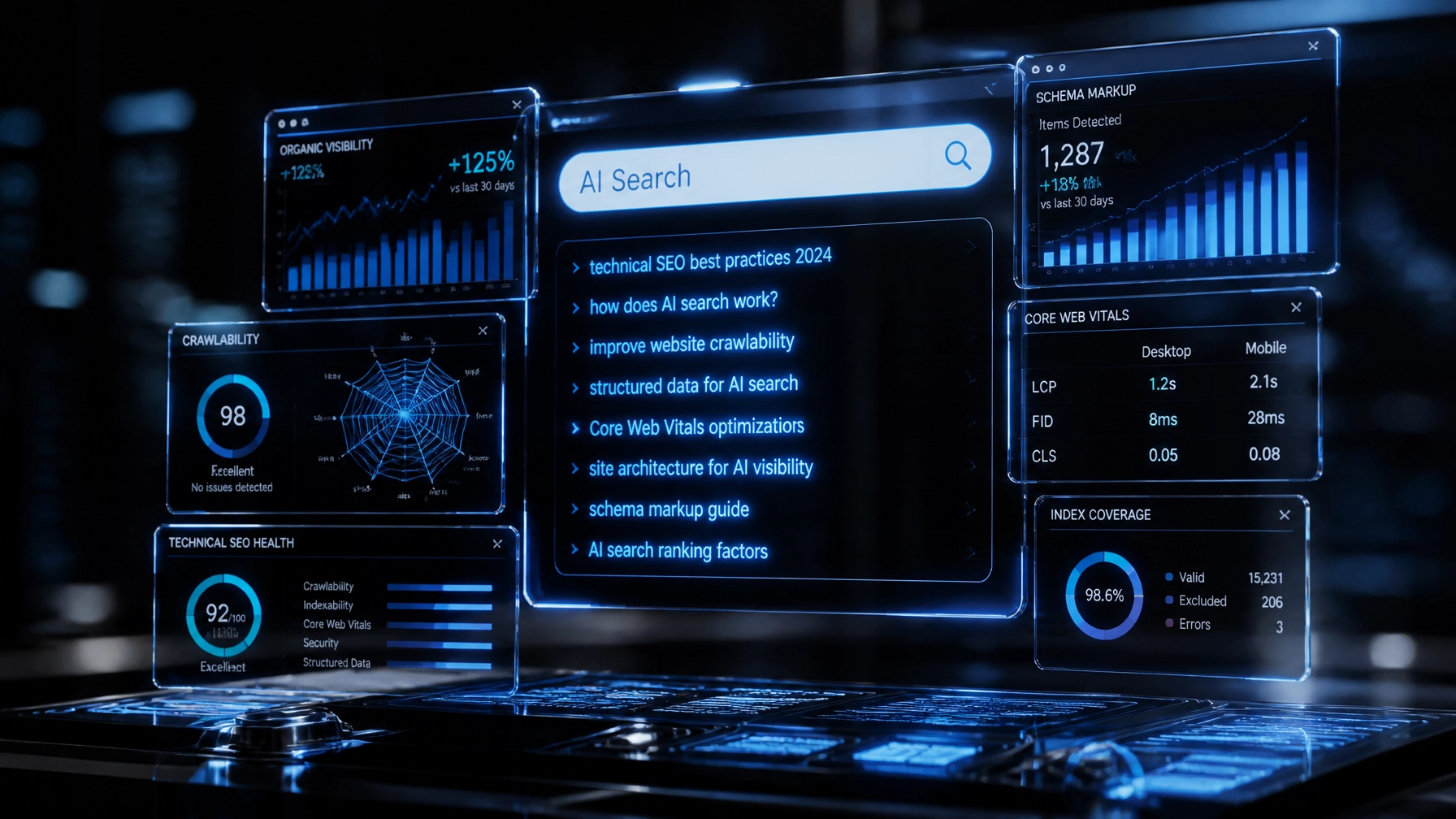
Generative AI represents a groundbreaking shift in the way technology interacts with creativity and innovation. As you delve into this fascinating realm, you will discover that generative AI encompasses algorithms and models capable of producing original content, whether it be text, images, music, or even entire designs. This technology leverages vast datasets and sophisticated machine learning techniques to generate outputs that mimic human creativity.
The implications of generative AI are profound, as it not only enhances productivity but also opens new avenues for artistic expression and problem-solving. As you explore the capabilities of generative AI, you will find that it is not merely a tool for automation; it is a partner in the creative process. By analyzing patterns and learning from existing works, generative AI can assist you in brainstorming ideas, refining concepts, and even executing complex tasks that would typically require significant human effort.
This synergy between human creativity and machine intelligence is reshaping industries, making it essential for you to understand its potential and limitations.
Key Takeaways
- Generative AI is revolutionizing the way design work is approached, allowing for the creation of unique and innovative designs.
- The use of Generative AI in marketing strategies is enabling businesses to personalize content and target specific audiences more effectively.
- Successful case studies demonstrate the effectiveness of Generative AI in design and marketing, leading to increased efficiency and creativity.
- Overcoming challenges in adopting Generative AI requires a combination of technical expertise and a deep understanding of the creative process.
- Ethical considerations in using Generative AI for creative work include issues of originality, ownership, and the potential for misuse, requiring careful consideration and responsible use.
How Generative AI is Reshaping Design Workflows
In the realm of design, generative AI is revolutionizing workflows by streamlining processes and enhancing creativity. As you integrate these advanced tools into your design practice, you will notice a significant reduction in the time spent on repetitive tasks. For instance, generative design software can automatically create multiple design variations based on specific parameters you set, allowing you to focus on refining the best options rather than starting from scratch.
This not only accelerates the design process but also encourages experimentation, as you can quickly iterate on ideas without the fear of wasting resources. Moreover, generative AI fosters collaboration among design teams by providing a common platform for idea generation and feedback. When you utilize these tools, you can easily share generated designs with colleagues or clients, facilitating discussions that lead to more informed decisions.
The ability to visualize concepts rapidly allows for a more dynamic exchange of ideas, ultimately resulting in designs that are more aligned with client expectations and market demands. As you embrace this technology, you will find that your creative potential expands, enabling you to tackle more complex projects with confidence.
The Impact of Generative AI on Marketing Strategies
Generative AI is also making waves in the marketing sector, transforming how brands engage with their audiences. As you navigate this landscape, you’ll see that AI-driven content generation tools can produce personalized marketing materials at scale. By analyzing consumer data and preferences, these tools can create tailored messages that resonate with specific segments of your audience.
This level of personalization not only enhances customer engagement but also increases conversion rates, making your marketing efforts more effective. Additionally, generative AI can optimize advertising campaigns by predicting which creatives will perform best based on historical data. As you implement these insights into your marketing strategies, you’ll be able to allocate resources more efficiently and maximize your return on investment.
The ability to generate A/B test variations quickly allows you to refine your messaging and visuals in real-time, ensuring that your campaigns remain relevant and impactful. In this fast-paced digital environment, leveraging generative AI can give you a competitive edge by enabling you to respond swiftly to changing market dynamics.
Case Studies: Successful Implementation of Generative AI in Design and Marketing
To illustrate the transformative power of generative AI, consider the case of a leading fashion brand that integrated AI into its design process. By utilizing generative design algorithms, the brand was able to create an entire collection based on consumer trends and preferences identified through data analysis. The result was a line of clothing that not only appealed to its target audience but also reduced the time from concept to market significantly.
As you reflect on this example, it becomes clear how generative AI can enhance creativity while aligning closely with consumer demands. In the marketing realm, a prominent beverage company adopted generative AI to revamp its advertising strategy. By employing AI-driven content generation tools, the company was able to produce personalized ads for different demographics across various platforms.
The campaign’s success was evident in the increased engagement rates and sales figures that followed. This case highlights how generative AI can empower brands to connect with consumers on a deeper level by delivering relevant content tailored to individual preferences. As you consider these examples, it becomes evident that the successful implementation of generative AI can lead to remarkable outcomes in both design and marketing.
Overcoming Challenges in Adopting Generative AI
While the benefits of generative AI are substantial, there are challenges associated with its adoption that you must navigate carefully. One significant hurdle is the initial investment in technology and training. As you consider integrating generative AI into your workflows, it’s essential to assess the costs involved and ensure that your team is equipped with the necessary skills to leverage these tools effectively.
This may involve investing in training programs or hiring specialists who can guide your organization through the transition. Another challenge lies in the potential resistance from team members who may feel threatened by the introduction of AI into their creative processes. To overcome this barrier, fostering a culture of collaboration between humans and machines is crucial.
You should emphasize that generative AI is not meant to replace human creativity but rather to enhance it. By encouraging open dialogue about the benefits of these tools and showcasing successful use cases, you can help alleviate concerns and promote a more positive attitude toward adopting generative AI.
Ethical Considerations in Using Generative AI for Creative Work

Copyright Issues and Intellectual Property Rights
When generative AI produces content based on existing works, questions arise about ownership and originality. You must navigate these complexities carefully to ensure that your use of generative AI does not infringe upon the rights of others or lead to legal disputes.
Bias in AI-Generated Content
If the data used to train generative models contains biases, those biases may be reflected in the outputs produced by the AI. As a responsible user of this technology, it’s essential to critically evaluate the data sources and algorithms employed in your generative AI tools.
Promoting a More Equitable Creative Landscape
By actively seeking diverse datasets and implementing measures to mitigate bias, you can contribute to a more equitable creative landscape.
The Future of Generative AI in Design and Marketing
Looking ahead, the future of generative AI in design and marketing appears promising and full of potential. As technology continues to evolve, you can expect even more sophisticated algorithms capable of producing highly personalized content that resonates with consumers on an emotional level. This advancement will enable brands to forge deeper connections with their audiences, ultimately leading to increased loyalty and engagement.
Moreover, as generative AI becomes more accessible, small businesses and startups will have the opportunity to leverage these tools without significant financial barriers. This democratization of technology will foster innovation across various industries as creative individuals harness the power of generative AI to bring their visions to life. As you embrace this future, staying informed about emerging trends and advancements will be crucial for maintaining a competitive edge in your field.
Embracing the Potential of Generative AI
In conclusion, embracing generative AI offers a wealth of opportunities for enhancing creativity and efficiency in both design and marketing. As you navigate this evolving landscape, it’s essential to recognize the transformative potential of these technologies while remaining mindful of the challenges and ethical considerations they present. By integrating generative AI into your workflows thoughtfully and responsibly, you can unlock new levels of innovation and engagement that were previously unimaginable.
As you move forward in your journey with generative AI, remember that this technology is not just about automation; it’s about collaboration between human ingenuity and machine intelligence. By harnessing this synergy, you can elevate your creative endeavors and drive meaningful change within your organization or industry. Embrace the potential of generative AI as a powerful ally in your quest for creativity and success.
Generative AI has been reshaping creative workflows in design and marketing, as discussed in the article AI Content Creation Tools: Enhancing Productivity Without Losing Your Voice. This article explores how artificial intelligence is revolutionizing content creation processes while still maintaining the unique voice and style of brands. It highlights the benefits of using AI tools to streamline and enhance productivity in marketing and design tasks.
FAQs
What is Generative AI?
Generative AI refers to a type of artificial intelligence that is capable of creating new content, such as images, text, or music, without direct human input. It uses algorithms to analyze and learn from existing data in order to generate new, original content.
How is Generative AI Reshaping Creative Workflows in Design and Marketing?
Generative AI is reshaping creative workflows in design and marketing by automating repetitive tasks, generating new ideas and designs, and personalizing content at scale. It allows for more efficient and innovative creative processes, leading to cost savings and improved productivity.
What are the Benefits of Using Generative AI in Design and Marketing?
Some of the benefits of using generative AI in design and marketing include faster content creation, increased creativity and innovation, personalized and targeted marketing campaigns, and the ability to handle large volumes of data and content at scale.
Are There Any Challenges or Risks Associated with Generative AI in Design and Marketing?
While generative AI offers many benefits, there are also challenges and risks to consider, such as ethical concerns around the use of AI-generated content, potential biases in the data used to train the AI models, and the need for human oversight to ensure quality and brand consistency.