
As the world hurtles toward an increasingly digital future, the landscape of smartphones has undergone a remarkable transformation. By 2025, artificial intelligence (AI) has become an integral component of smartphone technology, revolutionizing the way users interact with their devices. These AI smartphones are not merely tools for communication; they have evolved into sophisticated companions that anticipate needs, streamline tasks, and enhance daily life.
The convergence of advanced algorithms, machine learning, and user-centric design has led to devices that are not only smarter but also more intuitive and responsive to individual preferences. The integration of AI into smartphones has redefined user expectations. No longer are users satisfied with basic functionalities; they seek devices that can learn from their habits, adapt to their lifestyles, and provide personalized experiences.
In this new era, smartphones equipped with AI capabilities are able to analyze vast amounts of data in real-time, offering insights and recommendations that were previously unimaginable. This shift marks a significant leap forward in technology, as smartphones become not just tools for communication but essential partners in navigating the complexities of modern life.
Key Takeaways
- AI smartphones in 2025 will revolutionize the way we interact with technology, offering advanced capabilities and personalized experiences.
- Enhanced personalization and user experience will be a key focus, with AI algorithms learning and adapting to individual preferences and habits.
- AI-powered virtual assistants will become even more intelligent and intuitive, providing seamless and natural interactions with users.
- Improved camera capabilities with AI will enable advanced features such as real-time object recognition, enhanced low-light performance, and intelligent photo editing.
- Enhanced security and privacy features will be integrated, leveraging AI to protect user data and prevent unauthorized access.
Enhanced personalization and user experience
One of the most striking advancements in AI smartphones is the level of personalization they offer. By 2025, these devices have become adept at understanding user behavior and preferences, allowing for a tailored experience that feels uniquely individual. Through continuous learning algorithms, AI smartphones can analyze how users interact with their devices, from the apps they use most frequently to their preferred settings and routines.
This data-driven approach enables the smartphone to make proactive suggestions, such as recommending apps based on usage patterns or adjusting settings to optimize performance for specific tasks. Moreover, the user experience has been significantly enhanced through intuitive interfaces that adapt to individual needs. For instance, AI can facilitate seamless transitions between work and leisure modes, automatically adjusting notifications and app accessibility based on the time of day or location.
This level of customization not only improves efficiency but also fosters a deeper connection between the user and their device. As a result, users find themselves relying on their smartphones not just for communication but as indispensable tools that enhance productivity and enrich their daily lives.
AI-powered virtual assistants

The role of virtual assistants has evolved dramatically with the advent of AI smartphones in 2025. These intelligent companions have become more than just voice-activated tools; they are now capable of understanding context, managing complex tasks, and engaging in natural conversations. With advancements in natural language processing and machine learning, virtual assistants can interpret user intent with remarkable accuracy, allowing for more fluid interactions.
Users can ask questions, set reminders, or even engage in casual conversation, all while receiving responses that feel personalized and relevant. Furthermore, AI-powered virtual assistants have expanded their functionality beyond simple commands. They can now integrate with various applications and services, acting as a central hub for managing daily activities.
For example, a user might ask their assistant to schedule a meeting while simultaneously checking their calendar for conflicts and suggesting optimal times based on previous engagements. This level of integration not only saves time but also enhances productivity by streamlining workflows. As virtual assistants continue to evolve, they are poised to become indispensable allies in managing the complexities of modern life.
Improved camera capabilities with AI
The camera technology embedded in smartphones has seen a revolutionary upgrade thanks to AI advancements by 2025. Gone are the days when users had to rely solely on their photography skills; AI now plays a pivotal role in enhancing image quality and capturing stunning visuals effortlessly. With sophisticated algorithms that analyze scenes in real-time, AI-powered cameras can automatically adjust settings such as exposure, focus, and color balance to produce professional-grade photographs.
This capability allows users to capture breathtaking images without needing extensive knowledge of photography techniques. In addition to automatic adjustments, AI has introduced features like scene recognition and object detection. These functionalities enable smartphones to identify subjects within a frame—be it landscapes, people, or objects—and optimize settings accordingly.
For instance, when photographing a sunset, the camera can enhance colors to reflect the vibrant hues of the sky. Furthermore, AI-driven editing tools allow users to apply filters and effects intelligently, ensuring that enhancements complement the original image rather than detract from it. As a result, users can enjoy a seamless photography experience that empowers them to express their creativity without limitations.
Enhanced security and privacy features
As smartphones have become repositories of personal information, security and privacy have emerged as paramount concerns for users. In 2025, AI has significantly bolstered security measures within smartphones, providing users with peace of mind regarding their data protection. Advanced biometric authentication methods—such as facial recognition and fingerprint scanning—are now powered by AI algorithms that continuously learn and adapt to ensure accuracy and reliability.
This means that even as users change over time or wear accessories like glasses or hats, their devices remain secure while still being accessible. Moreover, AI has enabled proactive security measures that detect potential threats before they escalate. For instance, smartphones can analyze patterns of behavior to identify unusual activity that may indicate unauthorized access or data breaches.
In such cases, the device can alert the user or take preventive actions automatically, such as locking sensitive applications or requiring additional authentication steps. This proactive approach not only enhances security but also empowers users to take control of their privacy in an increasingly interconnected world.
AI-powered predictive and proactive functionalities
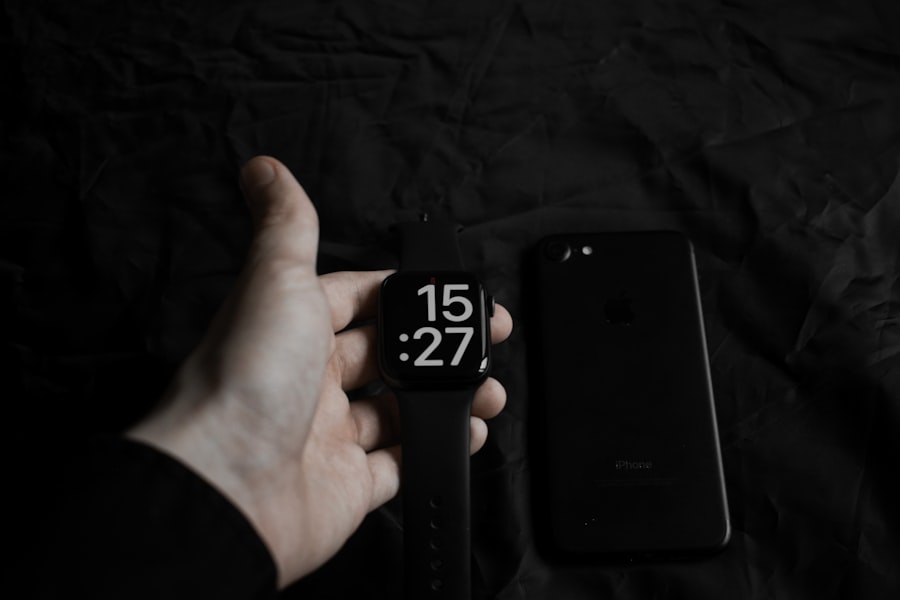
The predictive capabilities of AI smartphones have transformed how users interact with technology by anticipating needs before they arise. By 2025, these devices have become adept at analyzing user behavior patterns and contextual information to offer timely suggestions and reminders. For example, if a user frequently orders coffee from a particular café every morning, the smartphone might prompt them with an order suggestion as they approach the café’s location.
This level of foresight not only saves time but also enhances convenience by streamlining daily routines. In addition to predictive functionalities, AI smartphones have embraced proactive features that actively assist users in managing their tasks and responsibilities. For instance, if a user has an upcoming meeting scheduled but hasn’t prepared adequately, the device might send reminders or suggest relevant documents based on previous interactions.
This proactive approach fosters a sense of partnership between the user and their smartphone, as it becomes an ally in navigating daily challenges rather than just a passive tool. As these predictive and proactive functionalities continue to evolve, users can expect an increasingly seamless integration of technology into their lives.
Integration of AI in augmented reality and virtual reality
The integration of AI into augmented reality (AR) and virtual reality (VR) has opened up new dimensions for smartphone users by 2025. These technologies have become more accessible and immersive thanks to AI’s ability to enhance user experiences through real-time data processing and contextual awareness. In AR applications, for instance, AI can analyze the environment around the user to overlay digital information seamlessly onto the physical world.
This capability allows for interactive experiences that blend reality with digital enhancements—whether it’s visualizing furniture in a room before purchase or navigating unfamiliar locations with guided overlays. In the realm of VR, AI has played a crucial role in creating more realistic simulations and experiences. By analyzing user movements and preferences, AI can tailor virtual environments to suit individual tastes and comfort levels.
This personalization enhances immersion and engagement within virtual spaces, making them feel more lifelike and responsive. As AR and VR technologies continue to evolve alongside AI advancements, users can expect increasingly sophisticated applications that redefine entertainment, education, and social interaction.
AI-driven battery optimization and power management
Battery life remains one of the most critical factors influencing smartphone usability. In 2025, AI-driven battery optimization has emerged as a game-changer for users seeking longevity without sacrificing performance. By leveraging machine learning algorithms, smartphones can analyze usage patterns to optimize power consumption intelligently.
For example, if a user typically engages in resource-intensive activities during specific hours—such as gaming or video streaming—the device can allocate resources efficiently during those times while conserving energy during periods of inactivity. Additionally, AI-powered power management systems can dynamically adjust settings based on real-time conditions. If a smartphone detects low battery levels while the user is away from a charger, it may automatically activate power-saving modes or limit background processes to extend battery life until recharging is possible.
This level of adaptability ensures that users can rely on their devices throughout the day without constantly worrying about running out of power. As battery technology continues to advance alongside AI innovations, users can look forward to even more efficient solutions that enhance their overall smartphone experience. In conclusion, the evolution of AI smartphones by 2025 represents a significant leap forward in technology that enhances personalization, security, functionality, and overall user experience.
As these devices continue to integrate advanced features powered by artificial intelligence, they are poised to become indispensable companions in navigating the complexities of modern life. The future promises even greater innovations that will further redefine how individuals interact with technology on a daily basis.
In the rapidly evolving landscape of technology, AI is not only transforming smartphones but also revolutionizing various other domains. A related article, AI Content Creation Tools: Enhancing Productivity Without Losing Your Voice, delves into how AI is being leveraged to boost productivity in content creation while maintaining the unique voice of creators. This article complements the discussion on AI’s impact on smartphones by highlighting the broader implications of AI advancements across different sectors, showcasing the versatility and transformative power of artificial intelligence in our daily lives.
FAQs
What is AI?
AI stands for artificial intelligence, which refers to the simulation of human intelligence in machines that are programmed to think and learn like humans.
How is AI transforming smartphones in 2025?
In 2025, AI is transforming smartphones by enabling advanced features such as personalized virtual assistants, enhanced camera capabilities, improved battery life, and more efficient performance.
What are some examples of AI-powered features in smartphones?
Some examples of AI-powered features in smartphones include facial recognition for security, voice recognition for virtual assistants, predictive text and autocorrect, and camera enhancements for better photo quality.
How does AI improve smartphone performance?
AI improves smartphone performance by optimizing battery usage, managing system resources more efficiently, and providing personalized user experiences based on usage patterns and preferences.
What are the potential benefits of AI in smartphones?
The potential benefits of AI in smartphones include improved user experience, enhanced security features, better camera capabilities, longer battery life, and overall increased efficiency in performing tasks.