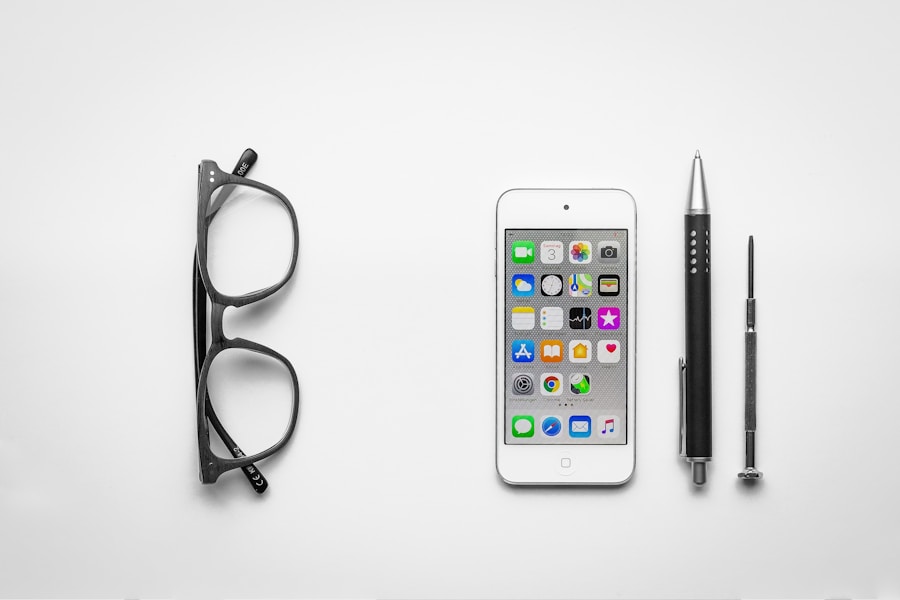
The journey of mobile-first design is a fascinating tale of adaptation and innovation. In the early days of the internet, websites were primarily designed for desktop users, with mobile versions often being an afterthought. As smartphones began to proliferate in the late 2000s, it became increasingly clear that a significant portion of web traffic was shifting to mobile devices.
This shift prompted designers and developers to rethink their approach, leading to the emergence of mobile-first design as a fundamental principle in web development. You may find it interesting to note that the term “mobile-first” was popularized by Luke Wroblewski in his 2011 book, “Mobile First.” This concept advocates for designing for the smallest screen first, ensuring that essential content and functionality are prioritized. By focusing on mobile users initially, designers can create a more streamlined experience that can then be expanded for larger screens.
This approach not only enhances usability but also aligns with the growing trend of responsive design, where websites adapt seamlessly to various screen sizes.
Key Takeaways
- Mobile-first design has evolved from being a trend to a necessity in today’s digital landscape, with the majority of internet users accessing content through mobile devices.
- User experience is at the forefront of mobile-first design, emphasizing the importance of intuitive navigation, fast loading times, and responsive layouts to cater to mobile users’ needs.
- Accessibility is a crucial aspect of mobile-first design, ensuring that all users, including those with disabilities, can easily access and navigate through the content on mobile devices.
- Mobile-first design significantly impacts SEO, as search engines prioritize mobile-friendly websites and consider mobile responsiveness as a ranking factor.
- Performance is a key consideration in mobile-first design, as slow loading times and heavy design elements can negatively impact user experience and SEO rankings.
User Experience and Mobile-First Design
User experience (UX) is at the heart of mobile-first design, as it emphasizes creating intuitive and engaging interactions for users on their mobile devices. When you consider that many users access websites primarily through their smartphones, it becomes evident that prioritizing mobile design is crucial for retaining visitors. A well-executed mobile-first design ensures that users can easily navigate your site, find information quickly, and complete desired actions without frustration.
In a mobile-first approach, simplicity is key. You may notice that many successful mobile designs strip away unnecessary elements, focusing instead on core functionalities. This minimalist approach not only enhances load times but also reduces cognitive load for users.
By presenting information in a clear and concise manner, you can create a more enjoyable experience that encourages users to engage with your content and return in the future.
Accessibility and Mobile-First Design

Accessibility is an essential consideration in any design process, and mobile-first design is no exception. As you delve into this topic, you’ll discover that designing with accessibility in mind ensures that all users, regardless of their abilities or disabilities, can access and interact with your website effectively. Mobile-first design inherently supports accessibility by prioritizing essential content and functionality, making it easier for users with varying needs to navigate your site.
When you adopt a mobile-first approach, you are more likely to consider touch interactions, voice commands, and screen readers from the outset. This proactive mindset allows you to create a more inclusive experience for all users. For instance, larger buttons and simplified navigation can significantly enhance usability for individuals with motor impairments or visual challenges.
By embracing accessibility in your mobile-first design, you not only comply with legal standards but also expand your audience reach and foster a more positive brand image.
Mobile-First Design and SEO
Search engine optimization (SEO) is another critical aspect of mobile-first design that cannot be overlooked. As search engines like Google increasingly prioritize mobile-friendly websites in their rankings, adopting a mobile-first approach can significantly impact your site’s visibility. When you design with mobile users in mind, you are more likely to create a fast-loading, user-friendly experience that search engines favor.
You may find it beneficial to understand how mobile-first indexing works. Google now predominantly uses the mobile version of a website for indexing and ranking purposes. This means that if your site is not optimized for mobile devices, you risk losing valuable search engine visibility.
By focusing on mobile-first design principles, such as optimizing images, improving load times, and ensuring responsive layouts, you can enhance your site’s SEO performance and attract more organic traffic.
Mobile-First Design and Performance
Performance is a crucial factor in the success of any website, particularly in the context of mobile-first design. Users expect fast-loading pages and seamless interactions on their devices; otherwise, they are likely to abandon your site in favor of a competitor’s. By prioritizing performance in your mobile-first design strategy, you can create an experience that keeps users engaged and satisfied.
To optimize performance, you should consider various techniques such as image compression, lazy loading, and minimizing HTTP requests. These strategies can significantly reduce load times and improve overall user experience. Additionally, you may want to leverage content delivery networks (CDNs) to ensure that your site loads quickly regardless of the user’s location.
By focusing on performance in your mobile-first design approach, you can create a website that not only meets user expectations but also drives conversions.
Mobile-First Design and Responsive Web Design

Mobile-first design is often closely associated with responsive web design (RWD), as both concepts aim to create optimal user experiences across various devices. However, while responsive design focuses on adapting existing desktop layouts for smaller screens, mobile-first design starts from the ground up by prioritizing mobile users’ needs. This fundamental difference shapes how you approach the design process.
When you embrace mobile-first design, you are encouraged to think critically about what content is essential for your users on smaller screens. This mindset allows you to create a more focused and efficient layout that can then be expanded for larger devices. As you develop your responsive design strategy, consider how elements will scale and rearrange based on screen size.
By integrating mobile-first principles into your responsive web design efforts, you can ensure a cohesive experience that resonates with users across all platforms.
Mobile-First Design and Progressive Web Apps
Progressive Web Apps (PWAs) represent an exciting intersection of mobile-first design and modern web technology. PWAs combine the best features of both web and mobile applications, offering users a seamless experience regardless of their device or network conditions. By adopting a mobile-first approach when developing PWAs, you can create applications that are fast, reliable, and engaging.
As you explore PWAs further, you’ll discover that they leverage service workers to enable offline functionality and push notifications, enhancing user engagement even when connectivity is limited. By focusing on mobile-first design principles during PWA development, you can ensure that your application is optimized for performance and usability on smaller screens. This approach not only improves user satisfaction but also encourages higher retention rates as users return to your app time and again.
The Future of Mobile-First Design
Looking ahead, the future of mobile-first design appears bright as technology continues to evolve at an unprecedented pace. With advancements in artificial intelligence (AI), augmented reality (AR), and voice interfaces, designers will need to adapt their strategies to meet the changing expectations of users. As you consider the future landscape of web design, embracing a mobile-first mindset will be essential for staying ahead of the curve.
You may also want to keep an eye on emerging trends such as 5G connectivity, which promises faster internet speeds and improved user experiences on mobile devices. As this technology becomes more widespread, designers will have new opportunities to create rich, interactive experiences that were previously limited by slower connections. By remaining committed to mobile-first principles while exploring these innovations, you can position yourself as a forward-thinking designer ready to tackle the challenges of tomorrow’s digital landscape.
In conclusion, the evolution of mobile-first design has transformed how we approach web development and user experience. By prioritizing mobile users’ needs from the outset, you can create accessible, high-performing websites that resonate with audiences across various devices. As technology continues to advance, embracing a mobile-first mindset will be crucial for staying relevant in an ever-changing digital world.
If you are interested in learning more about enhancing productivity without losing your voice, check out the article on AI content creation tools at jdg.agency. This article explores how artificial intelligence can be used to streamline content creation processes while still maintaining the unique voice and tone of your brand.
FAQs
What is mobile-first design?
Mobile-first design is a design approach that prioritizes the user experience on mobile devices over desktops or other devices. It involves creating a website or application with the mobile user in mind first, and then adapting the design for larger screens.
Why is mobile-first design important?
Mobile-first design is important because of the increasing use of mobile devices for internet browsing and online activities. It ensures that users have a seamless and optimized experience on their mobile devices, leading to higher engagement and satisfaction.
What are the essential principles of mobile-first design?
The essential principles of mobile-first design include prioritizing mobile user experience, designing for touch interactions, optimizing for speed and performance, using responsive design techniques, and focusing on content hierarchy and simplicity.
How does mobile-first design impact user experience?
Mobile-first design positively impacts user experience by ensuring that websites and applications are easy to navigate, load quickly, and provide a seamless experience on mobile devices. This leads to higher user satisfaction and engagement.
What are some examples of successful mobile-first design implementations?
Examples of successful mobile-first design implementations include mobile apps like Instagram and TikTok, as well as websites like Airbnb and Starbucks. These platforms prioritize the mobile user experience and have seen significant success as a result.