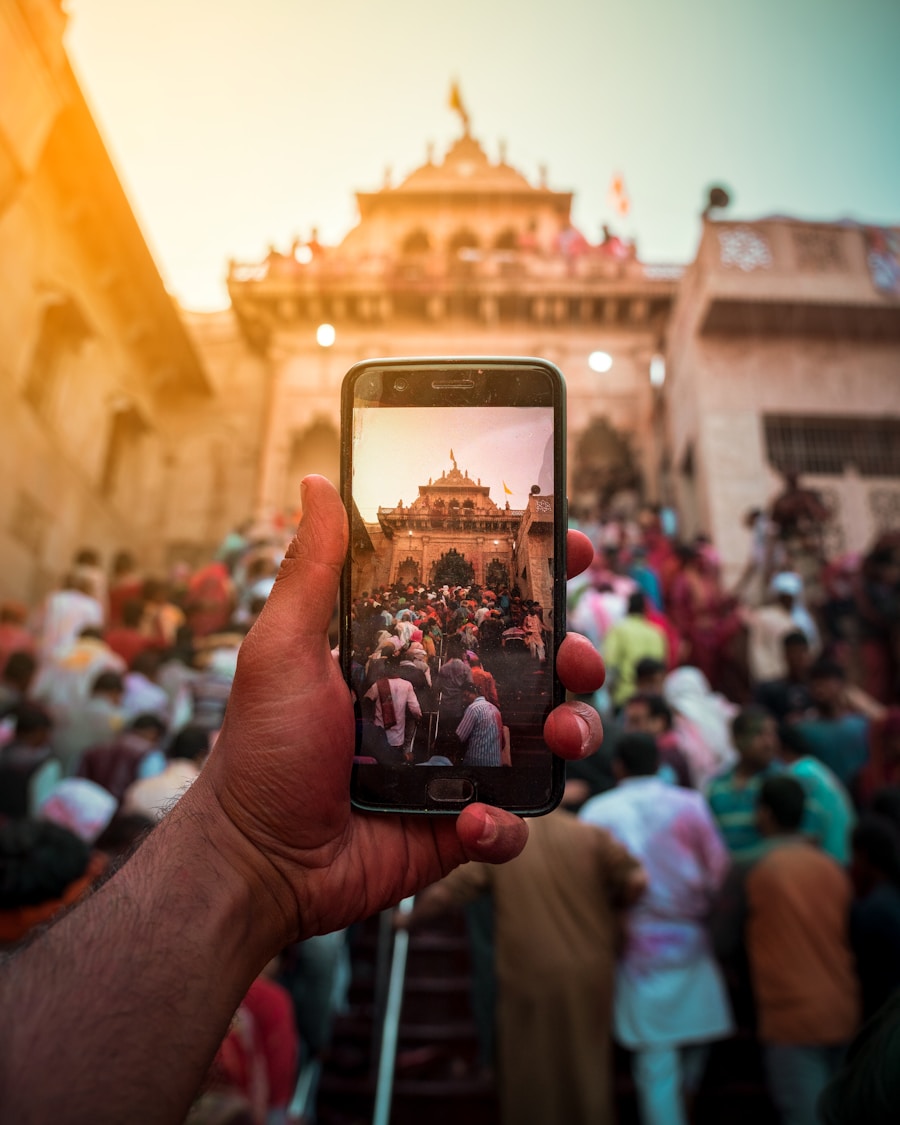
In today’s fast-paced digital world, mobile photography has emerged as a powerful medium for self-expression and creativity. With the advancement of smartphone technology, you now have the ability to capture stunning images with just a few taps on your screen. Gone are the days when you needed bulky cameras and extensive knowledge of photography to create beautiful visuals.
Your smartphone is not just a communication device; it has become a versatile tool that allows you to document your life, share experiences, and even tell stories through images. As you delve into the world of mobile photography, you’ll discover that it’s not merely about taking pictures; it’s about seeing the world through a different lens. You can transform ordinary moments into extraordinary memories, all while honing your skills and developing your unique style.
Whether you’re an aspiring photographer or someone who simply enjoys capturing moments, mobile photography offers endless possibilities for creativity and exploration.
Key Takeaways
- Mobile photography is a convenient and accessible way to capture moments on the go.
- Understanding composition and framing is essential for creating visually appealing photos.
- Lighting techniques, such as natural light and artificial light sources, can greatly enhance mobile photography.
- Editing and post-processing can elevate the quality of mobile photos, with apps like Lightroom and Snapseed being popular choices.
- Utilizing apps and tools like VSCO and Adobe Spark can help enhance and customize mobile photography content for social media.
Understanding Composition and Framing
Composition is the backbone of any great photograph, and in mobile photography, it plays an equally crucial role. As you frame your shots, consider the rule of thirds, which suggests dividing your image into nine equal parts using two horizontal and two vertical lines. By placing your subject along these lines or at their intersections, you create a more balanced and engaging composition.
This technique encourages viewers to explore the entire image rather than focusing solely on the center. Additionally, don’t shy away from experimenting with different angles and perspectives. Instead of always shooting from eye level, try crouching down or finding a higher vantage point.
This shift in perspective can add depth and interest to your photos. Remember that framing is not just about where you place your subject; it’s also about what you choose to include or exclude from the frame. Pay attention to the background and surrounding elements, as they can either enhance or detract from your main subject.
Lighting Techniques for Mobile Photography
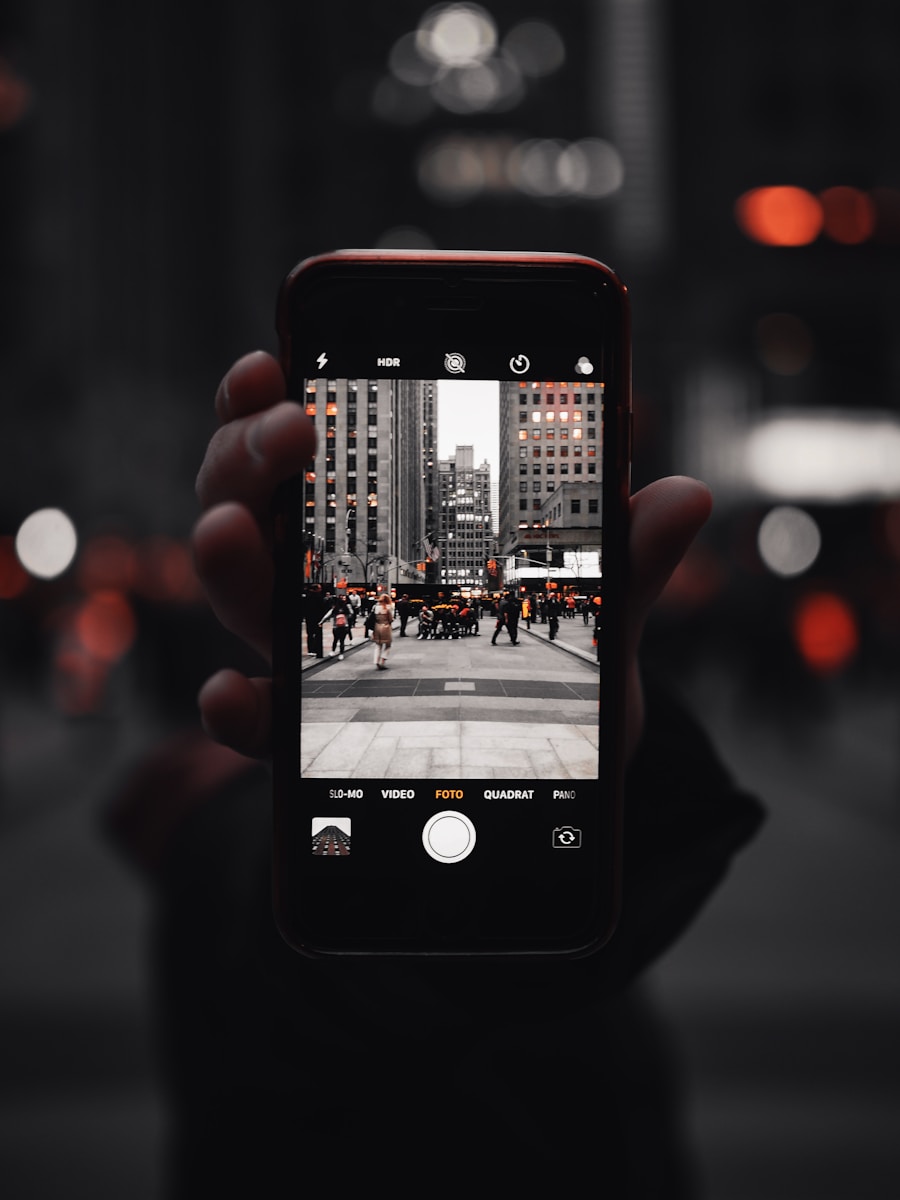
Lighting is one of the most critical aspects of photography, and mastering it can elevate your mobile photography to new heights. Natural light is often your best friend; it can create soft shadows and highlight textures in your images. When shooting outdoors, aim for the golden hour—shortly after sunrise or before sunset—when the light is warm and diffused.
This magical time can add a beautiful glow to your photos, making them more visually appealing. However, artificial lighting can also be effective if used correctly. If you find yourself in low-light situations, consider using your smartphone’s built-in night mode or adjusting the exposure settings manually.
Avoid using the flash whenever possible, as it can create harsh shadows and unflattering highlights. Instead, look for alternative light sources, such as lamps or streetlights, to illuminate your subject softly. Experimenting with different lighting conditions will help you understand how light interacts with your subjects and improve your overall photography skills.
Editing and Post-Processing Tips
Once you’ve captured your images, the next step is editing them to enhance their visual appeal. Fortunately, mobile photography offers a plethora of editing apps that allow you to fine-tune your images right from your smartphone. Start by adjusting basic elements like brightness, contrast, and saturation to bring out the best in your photos.
Don’t be afraid to experiment with filters, but use them sparingly; the goal is to enhance your image without making it look overly processed. Cropping is another essential aspect of post-processing. It allows you to refine your composition further by removing distractions or emphasizing certain elements within the frame.
Take your time during this stage; sometimes, a small adjustment can make a significant difference in the overall impact of your photo. Additionally, consider using tools that allow for selective editing, enabling you to adjust specific areas of an image without affecting the entire photo. This level of control can help you achieve a polished final product that reflects your artistic vision.
Utilizing Apps and Tools for Mobile Photography
The right apps can significantly enhance your mobile photography experience, providing you with tools that streamline both shooting and editing processes. Popular apps like Lightroom Mobile and Snapseed offer advanced editing features that rival desktop software, allowing you to make precise adjustments on the go. These apps often come equipped with presets that can save you time while still giving your images a professional touch.
In addition to editing apps, consider exploring camera apps that provide manual controls over settings like ISO, shutter speed, and focus. Apps such as ProCamera or Camera+ give you greater flexibility than the default camera app on your smartphone. This control allows you to adapt to various shooting conditions and achieve the desired effect in your images.
By utilizing these tools effectively, you can elevate your mobile photography game and produce stunning visuals that stand out.
Creating Engaging Social Media Content
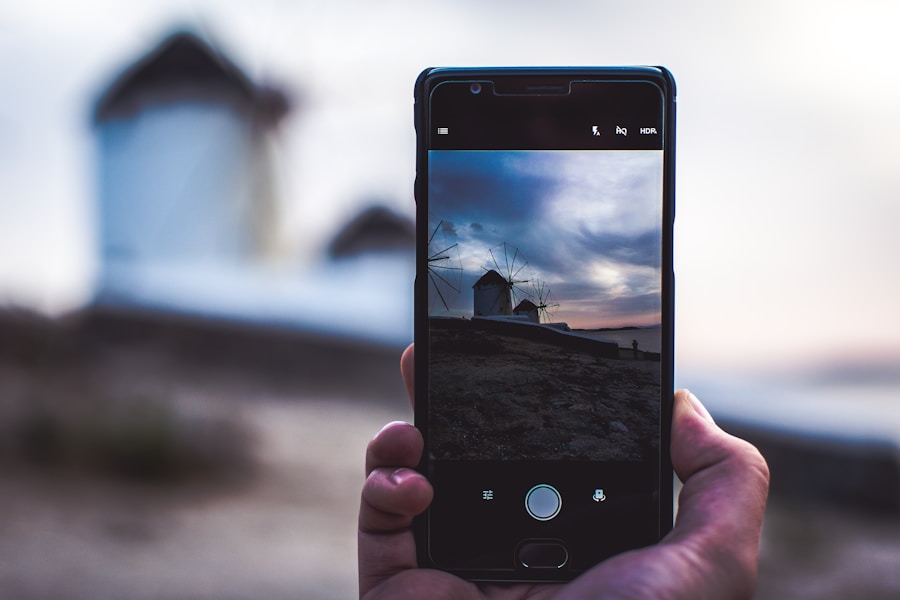
In an age where social media dominates our lives, creating engaging content is essential for sharing your mobile photography with a broader audience. Start by curating a cohesive aesthetic for your feed; this could involve using similar color palettes or themes throughout your images. Consistency helps establish your brand identity and makes your profile visually appealing to potential followers.
Engagement goes beyond just posting beautiful images; it also involves connecting with your audience. Use captions to tell stories behind your photos or share insights about your creative process. Encourage interaction by asking questions or inviting followers to share their thoughts in the comments section.
Additionally, consider using relevant hashtags to increase visibility and reach a wider audience interested in mobile photography. By fostering a sense of community around your work, you’ll not only grow your following but also create meaningful connections with fellow photography enthusiasts.
Tips for Capturing Authentic Moments
While posed photographs have their place, capturing authentic moments often results in more compelling imagery. To achieve this, immerse yourself in the environment around you and be patient. Candid shots often tell a more profound story than staged ones because they reflect genuine emotions and interactions.
Whether it’s a child playing in a park or friends laughing together at a café, these spontaneous moments can evoke feelings that resonate with viewers. To enhance your ability to capture authenticity, practice being observant and ready at all times. Keep your camera handy so that you can quickly snap photos when unexpected moments arise.
Additionally, consider using burst mode on your smartphone to capture multiple frames in quick succession; this technique increases the likelihood of getting that perfect shot where emotions are raw and unfiltered. By focusing on authenticity in your photography, you’ll create images that resonate deeply with both yourself and those who view them.
Building a Personal Brand Through Mobile Photography
As you continue to develop your skills in mobile photography, consider how you can build a personal brand around your work. Your unique perspective and style are what set you apart from others in the field. Start by defining what themes or subjects resonate with you most—whether it’s landscapes, portraits, or street photography—and focus on those areas as you create content.
Consistency is key when building a personal brand; this includes not only the visual style of your images but also how you engage with your audience across platforms. Share behind-the-scenes glimpses into your creative process or insights into what inspires you as a photographer. By being authentic and transparent about your journey, you’ll foster trust and loyalty among your followers.
Over time, this connection can lead to opportunities for collaboration, sponsorships, or even selling prints of your work. In conclusion, mobile photography is an exciting avenue for creativity that allows you to express yourself while capturing the world around you. By understanding composition, mastering lighting techniques, utilizing editing tools effectively, and engaging with social media audiences authentically, you can elevate your photography skills significantly.
As you embark on this journey, remember that every photo tells a story—make yours worth sharing!
If you’re looking to enhance your social media content even further, you may want to check out this article on Minimalist Web Design: Creating Powerful Impact with Less in 2025. This piece offers valuable insights on how to make a strong visual impact with minimalistic design elements, which can be applied to your mobile photography as well. By incorporating minimalist principles into your social media content, you can create a clean and visually appealing aesthetic that will attract and engage your audience.
FAQs
What is mobile photography?
Mobile photography refers to the act of taking photographs with a mobile device, such as a smartphone or tablet. It has become increasingly popular with the advancement of technology and the improvement of camera capabilities in mobile devices.
What is a mobile photography masterclass?
A mobile photography masterclass is a workshop or course that provides in-depth training and guidance on how to take professional-quality photographs using a mobile device. It typically covers topics such as composition, lighting, editing, and social media content creation.
What are pro tips for social media content in mobile photography?
Pro tips for social media content in mobile photography may include techniques for capturing attention-grabbing images, utilizing editing apps to enhance photos, understanding the best practices for posting on various social media platforms, and creating a cohesive visual aesthetic for a brand or personal profile.
Why is mobile photography important for social media content?
Mobile photography is important for social media content because it allows for quick and easy creation of visually appealing images that can be shared instantly. With the widespread use of social media platforms, high-quality mobile photography has become essential for engaging and connecting with audiences.
What are some common challenges in mobile photography for social media content?
Common challenges in mobile photography for social media content may include dealing with low light conditions, capturing fast-moving subjects, maintaining image quality when posting on different social media platforms, and standing out in a crowded digital landscape.