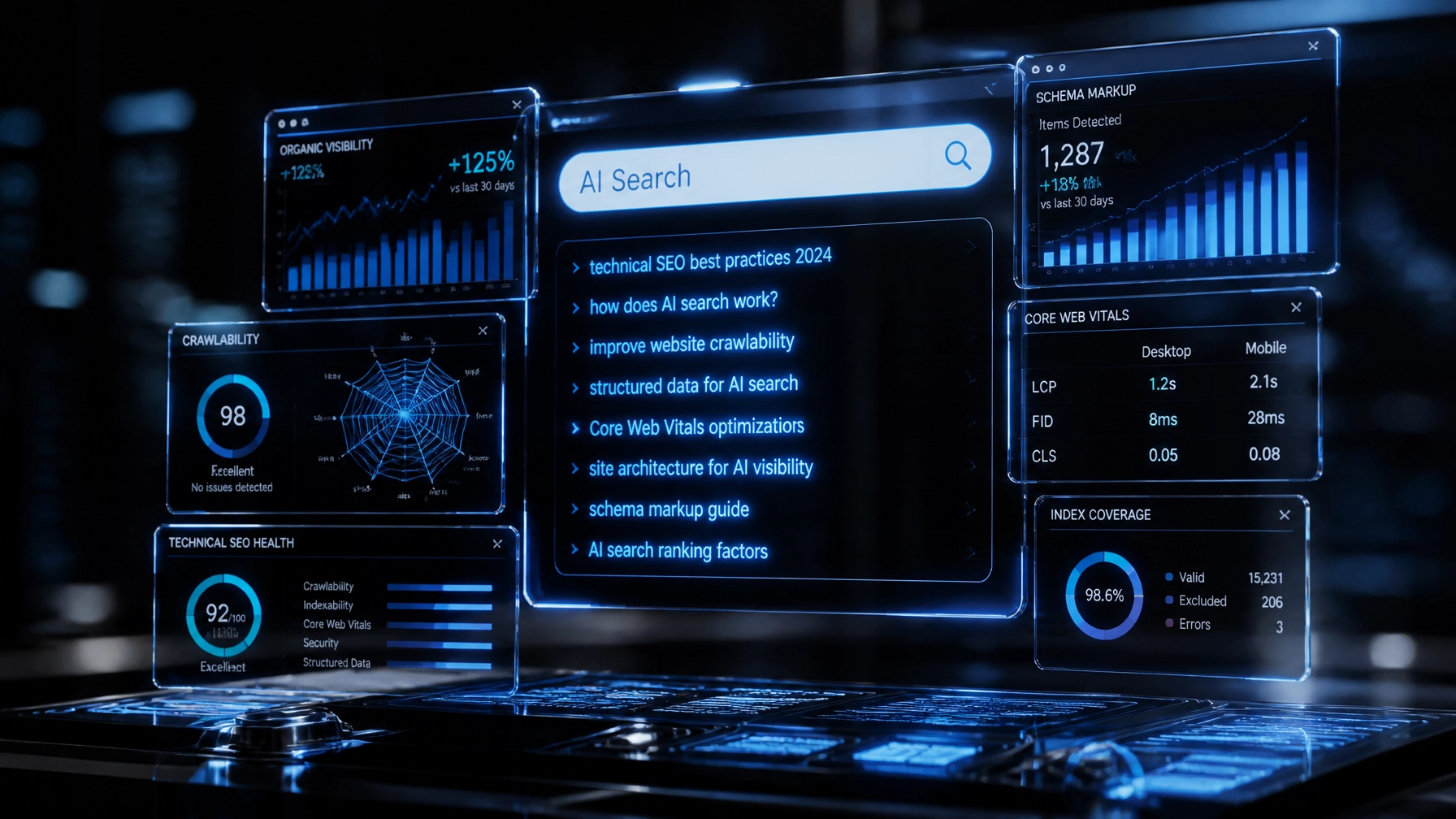
When you think about measuring the success of your website, pageviews often come to mind as a primary metric. However, it’s crucial to recognize that pageviews alone do not provide a complete picture of user engagement or the effectiveness of your content. While a high number of pageviews might seem impressive, it can be misleading if those views do not translate into meaningful interactions or conversions.
You may find that users are simply skimming through your pages without engaging with your content, which raises questions about the quality of traffic you are attracting. Moreover, focusing solely on pageviews can lead to a narrow understanding of user behavior. For instance, you might overlook other important metrics such as time spent on page, bounce rates, and user flow.
These metrics can offer deeper insights into how users interact with your site and what content resonates with them. By understanding the limitations of pageviews, you can shift your focus toward more comprehensive analytics that provide a clearer view of user engagement and help you make informed decisions about your website’s content and design.
Key Takeaways
- Pageviews alone do not provide a complete picture of user engagement and behavior on a website.
- Advanced web analytics tools and techniques can provide more in-depth insights into user behavior and website performance.
- User behavior analysis can uncover valuable insights that can be used to make actionable improvements to a website or marketing strategy.
- Conversion tracking is essential for measuring the success of marketing campaigns and website performance.
- A/B testing allows for data-driven decision making by testing different variations of a website or marketing campaign to see which performs better.
Exploring Advanced Web Analytics Tools and Techniques
As you delve deeper into web analytics, you may discover a wealth of advanced tools and techniques that can enhance your understanding of user behavior. Traditional analytics platforms like Google Analytics provide a solid foundation, but exploring additional tools can unlock new dimensions of insight. For example, heat mapping tools allow you to visualize where users click and scroll on your pages, revealing which areas attract the most attention.
This information can guide you in optimizing your layout and content placement for better engagement. In addition to heat maps, session replay tools can offer a unique perspective by allowing you to watch recordings of real user sessions on your site. This technique can help you identify pain points in the user experience, such as confusing navigation or frustrating checkout processes.
By combining these advanced tools with traditional analytics, you can create a more holistic view of user interactions and make data-driven decisions that enhance the overall effectiveness of your website.
Leveraging User Behavior Analysis for Actionable Insights
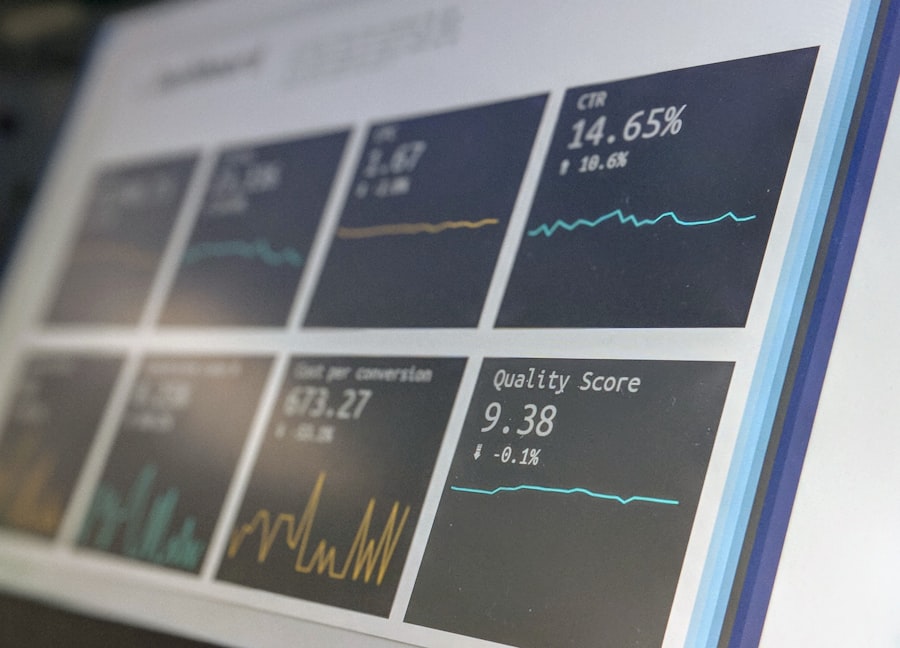
Understanding user behavior is key to unlocking actionable insights that can drive improvements on your website. By analyzing how users navigate through your site, you can identify patterns and trends that inform your content strategy and design choices. For instance, if you notice that users frequently drop off at a particular point in the conversion funnel, it may indicate a need for optimization in that area.
You can then take targeted actions to address these issues, such as simplifying forms or providing clearer calls to action. Furthermore, segmenting your audience based on behavior can yield even more valuable insights. By categorizing users into groups—such as first-time visitors versus returning customers—you can tailor your content and marketing efforts to meet their specific needs.
This level of personalization not only enhances user experience but also increases the likelihood of conversions. By leveraging user behavior analysis effectively, you can transform raw data into strategic actions that drive growth and engagement.
Utilizing Conversion Tracking to Measure Success
Conversion tracking is an essential component of any web analytics strategy, as it allows you to measure the effectiveness of your marketing efforts and website performance. By setting up conversion goals—such as form submissions, product purchases, or newsletter sign-ups—you can gain insights into how well your site is achieving its objectives. This data is invaluable for understanding which channels are driving conversions and where improvements are needed.
In addition to tracking overall conversions, it’s important to analyze the conversion rates for different segments of your audience. For example, you might find that certain demographics or traffic sources yield higher conversion rates than others. This information can guide your marketing strategies, allowing you to allocate resources more effectively and focus on the channels that deliver the best results.
By utilizing conversion tracking diligently, you can create a feedback loop that informs ongoing optimization efforts and ultimately drives greater success for your website.
Implementing A/B Testing for Data-Driven Decision Making
A/B testing is a powerful method for making data-driven decisions about your website’s design and content. By comparing two versions of a webpage—Version A and Version B—you can determine which one performs better in terms of user engagement and conversions. This technique allows you to test various elements such as headlines, images, call-to-action buttons, and overall layout to see what resonates most with your audience.
The beauty of A/B testing lies in its ability to provide concrete evidence for decision-making. Instead of relying on gut feelings or assumptions about what might work best, you can base your choices on actual user behavior. For instance, if A/B testing reveals that a specific call-to-action button color significantly increases click-through rates, you can confidently implement that change across your site.
By continuously testing and iterating based on data, you create a culture of optimization that leads to improved performance over time.
Integrating Web Analytics with Marketing Automation

Integrating web analytics with marketing automation tools can significantly enhance your ability to track user interactions and optimize marketing campaigns. When these two systems work together seamlessly, you gain a comprehensive view of how users engage with your content across various touchpoints. For example, by linking web analytics data with email marketing metrics, you can assess how website visits correlate with email campaign performance.
This integration allows for more targeted marketing efforts as well. With insights from web analytics, you can segment your audience based on their behavior and tailor automated campaigns accordingly. If a user frequently visits specific product pages but hasn’t made a purchase yet, you could send them personalized follow-up emails with relevant offers or reminders.
By leveraging the synergy between web analytics and marketing automation, you can create more effective campaigns that drive engagement and conversions.
Using Predictive Analytics to Anticipate User Behavior
Predictive analytics is an emerging field that leverages historical data to forecast future user behavior. By analyzing patterns in past interactions, you can gain insights into what users are likely to do next—whether it’s making a purchase, abandoning their cart, or engaging with specific content. This foresight allows you to proactively address potential issues and capitalize on opportunities before they arise.
For instance, if predictive analytics indicates that a segment of users is likely to abandon their shopping carts based on previous behavior patterns, you can implement strategies to mitigate this risk. This might include sending reminder emails or offering incentives to encourage completion of the purchase. By anticipating user behavior through predictive analytics, you position yourself to enhance user experience and drive higher conversion rates.
Creating Custom Reports and Dashboards for In-Depth Analysis
To truly harness the power of web analytics, creating custom reports and dashboards tailored to your specific needs is essential. Standard reports may not always provide the granular insights necessary for informed decision-making; therefore, customizing your analytics setup allows you to focus on the metrics that matter most to your business objectives. You can design dashboards that highlight key performance indicators (KPIs), track user engagement trends over time, or monitor the effectiveness of specific campaigns.
Moreover, custom reports enable you to share insights with stakeholders in a clear and concise manner. Whether you’re presenting findings to your team or reporting to upper management, having tailored visuals and data points makes it easier to communicate the story behind the numbers. By investing time in creating custom reports and dashboards, you empower yourself and your team with the information needed to drive strategic decisions and foster continuous improvement in your web presence.
In conclusion, understanding the limitations of traditional metrics like pageviews is just the beginning of a comprehensive web analytics strategy. By exploring advanced tools, leveraging user behavior analysis, utilizing conversion tracking, implementing A/B testing, integrating with marketing automation, employing predictive analytics, and creating custom reports, you position yourself for success in today’s digital landscape. Each step builds upon the last, creating a robust framework for understanding user interactions and driving meaningful results for your website and business as a whole.
For more insights on leveraging technology to enhance productivity in digital marketing, check out this article on AI content creation tools: AI Content Creation Tools: Enhancing Productivity Without Losing Your Voice. This piece delves into how artificial intelligence can streamline content creation processes while maintaining the authenticity of your brand voice.
FAQs
What is web analytics?
Web analytics is the measurement, collection, analysis, and reporting of web data for the purpose of understanding and optimizing web usage.
What are pageviews in web analytics?
Pageviews refer to the total number of times a particular page on a website has been viewed by visitors.
What are actionable insights in web analytics?
Actionable insights in web analytics refer to the valuable and specific information derived from data analysis that can be used to make informed decisions and take action to improve website performance.
How can web analytics move beyond pageviews to actionable insights?
Web analytics can move beyond pageviews to actionable insights by focusing on metrics such as conversion rates, bounce rates, user engagement, and customer behavior to gain a deeper understanding of user interactions and preferences.
What are some advanced web analytics techniques?
Advanced web analytics techniques include cohort analysis, funnel analysis, A/B testing, heatmaps, and predictive analytics to gain deeper insights into user behavior and optimize website performance.