The landscape of local discovery has undergone a profound metamorphosis with the advent of conversational artificial intelligence, effectively rendering the traditional paradigm of keyword-centric search obsolete in favor of nuanced, intent-driven interactions. As organizations navigate this contemporary digital frontier, the emergence of "Ask Maps": a Gemini-powered interface integrated within the Google Maps ecosystem: represents a pivotal advancement in how consumers identify, evaluate, and engage with physical establishments. This shift from a retrieval-based model to a recommendation-based engine necessitates a comprehensive reassessment of local search strategies, where the visibility of a business is no longer merely a function of proximity and nomenclature but is instead determined by the depth and verification of its digital footprint.
The Paradigmatic Evolution of Local Discovery
Historically, the process of local discovery was characterized by the simplistic retrieval of data points based on precise lexical matches, whereby a user might enter a specific query such as "mechanic near me" and receive a ranked list of relevant coordinates. However, the introduction of sophisticated generative AI models has fostered a transition toward interpretive recommendations that prioritize context, personalization, and conversational logic. This evolution encompasses a shift in user behavior where individuals now engage with search interfaces as they would with a knowledgeable consultant, asking complex, multi-layered questions that require the synthesis of vast datasets to provide a cohesive answer.
While traditional search engines relied heavily on the presence of specific keywords within a business name or description, the contemporary AI-driven environment analyzes over 300 million distinct locations and billions of community contributions to formulate intelligent responses. This transformation allows users to move beyond binary searches and instead inquire about specific atmospheres, niche service capabilities, or time-sensitive availability. Consequently, the challenge for modern enterprises lies in ensuring that their digital presence provides sufficient evidence for AI models to interpret their offerings as the optimal solution for these highly specific queries.

The Criticality of Verified Data and Profile Optimization
In this new era of conversational search, the Google Business Profile (GBP) has emerged as the foundational semantic layer upon which all AI-driven recommendations are constructed. It is no longer sufficient for organizations to maintain a cursory presence; rather, the completeness and accuracy of verified data have become paramount to ensuring visibility within the "Ask Maps" ecosystem. The interpretive nature of generative AI means that every attribute, from accessibility features to specific service menus, serves as a critical data point that informs the recommendation engine’s decision-making process.
Furthermore, the synergy between real-time attributes and consumer intent has become a primary driver of discovery, enabling the AI to surface businesses that align with the precise, often unspoken, needs of the user. For instance, an organization that meticulously maintains its operational hours, service categories, and real-time availability is significantly more likely to be recommended when a user asks for a specific service "available within the next hour" or "suitable for a professional consultation." As such, the proactive management of these profiles is not merely an administrative task but a strategic necessity for maintaining a competitive edge in a landscape where AI agents act as the primary gatekeepers of consumer attention.
The Ascendance of Review Specificity Over Volume
A significant hallmark of the shift toward AI-integrated maps is the changing role of consumer feedback, where the substance and linguistic variety of reviews have superseded the traditional focus on aggregate star ratings. While high ratings remain an indicator of general satisfaction, the "Ask Maps" interface prioritizes reviews that provide granular, descriptive context, allowing the AI to extract specific insights about the business’s performance in various scenarios. This shift implies that a detailed narrative describing the "exceptional acoustic quality for quiet conversations" or the "efficiency of the contactless check-in process" provides far more utility to a recommendation engine than a generic five-star accolade.
Moreover, the proliferation of detailed, community-driven content allows the AI to construct a multidimensional persona for each business, aligning it with the nuanced preferences of individual users. Organizations must therefore foster an environment that encourages customers to share specific, attribute-rich experiences rather than simple ratings. By doing so, businesses provide the semantic raw material necessary for AI models to confidently recommend them to users seeking those exact qualities, thereby bridging the gap between abstract search intent and concrete physical experiences.

Structured Data as the Linguistic Bridge for AI Overviews
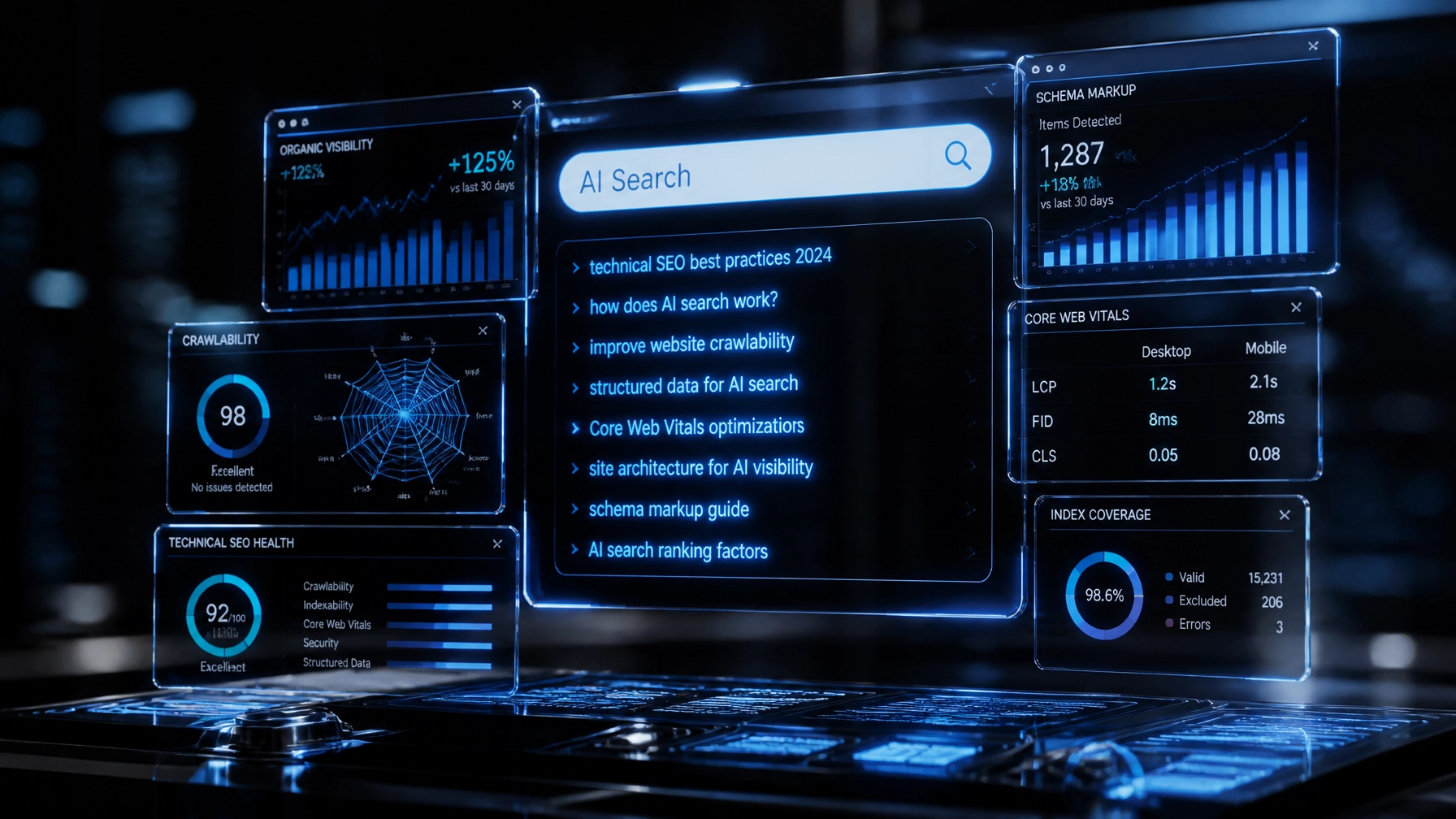
As organizations strive to remain visible within conversational search results, the role of technical SEO and structured data has become increasingly pivotal in ensuring that AI agents can accurately parse and interpret website content. The implementation of sophisticated schema markup serves as a linguistic bridge, translating the unstructured information on a business's website into a format that AI models can readily ingest and synthesize. This technical foundation is essential for appearing in AI Overviews, where the engine extracts specific answers to user questions directly from the web, often bypassing the traditional search result list entirely.
Additionally, the integration of structured data allows businesses to define their unique value propositions with a level of precision that traditional content cannot achieve on its own. Whether it involves defining specialized service areas, outlining pricing structures, or highlighting unique institutional expertise, structured data ensures that the AI’s interpretation of the business is both accurate and comprehensive. In a landscape where the "Ask Maps" feature relies on the richness of available information to satisfy user queries, the investment in technical SEO infrastructure is a critical component of a broader strategy to secure dominance in local search.
Visual Storytelling and Immersive Navigation
The evolution of local search is also characterized by a heightened emphasis on visual data, as AI models increasingly leverage photo volume and currency to inform their recommendations. High-quality imagery serves as a powerful signal of a business's current state and quality, providing the AI with the visual evidence needed to validate its conversational claims. In the context of "Ask Maps," a rich library of interior, exterior, and product-specific photographs enables the engine to personalize recommendations based on the aesthetic and functional preferences of the user.
Furthermore, the launch of immersive navigation technologies reinforces the necessity for businesses to maintain a current and comprehensive visual presence. As users navigate digital twins of urban environments, the ability to "peek" inside a business or view its surrounding context in high definition becomes a key factor in the final decision-making process. Organizations that fail to prioritize visual content risk being excluded from these immersive discovery experiences, as the AI favors businesses that can provide a transparent and visually rich representation of what the consumer can expect upon arrival.

Strategic Adaptation Through Professional Local SEO Services
Navigating the complexities of the AI-driven search landscape requires a level of technical sophistication and strategic foresight that often exceeds the internal capabilities of small to medium-sized enterprises. This is where the specialized expertise of a digital agency becomes indispensable. By leveraging local SEO services and advanced technical SEO strategies, organizations can ensure that their digital assets are optimized not just for today’s search engines, but for the evolving AI ecosystems of the future.
JDG.AGENCY remains at the forefront of this transformation, providing the innovative frameworks necessary for businesses to thrive in the era of "Ask Maps." Our approach focuses on the synergy between verified data accuracy, reputation management, and structured content delivery, ensuring that our clients remain the authoritative answer to conversational queries. From optimizing Google Business Profiles to integrating sophisticated online booking systems, we enable organizations to capture consumer intent at the exact moment of discovery, transforming AI recommendations into tangible business growth.
The Inevitability of the AI-Driven Future
The shift toward conversational search in Google Maps is not a fleeting trend but a fundamental restructuring of how local commerce functions in a digital society. As AI agents continue to refine their ability to interpret human intent and synthesize complex data, the businesses that will emerge as leaders are those that embrace transparency, data density, and technical excellence. The journey toward total optimization in the "Ask Maps" era requires a commitment to maintaining a dynamic and verified digital presence that evolves alongside the technology itself.
Ultimately, the goal of modern local SEO is to build a foundation of trust and accessibility that allows AI models to recommend a business with absolute confidence. By prioritizing the elements that drive these intelligent interactions: verified data, detailed feedback, visual richness, and technical structure: organizations can unlock new levels of visibility and engagement. For those ready to lead their industry into this new paradigm, the opportunity to define their place in the future of discovery starts with a strategic partnership and a project quote tailored to the unique demands of the AI age.

In conclusion, the "Ask Maps" shift represents a significant milestone in the ongoing evolution of the tech world, demanding a proactive and sophisticated response from businesses of all sizes. As the boundaries between search, discovery, and recommendation continue to blur, the organizations that invest in high-quality local SEO services today will be the ones that consumers find and trust tomorrow. The transition to a conversational local search environment is well underway, and the path to success lies in becoming the most reliable, well-documented, and visually accessible answer in the digital landscape.