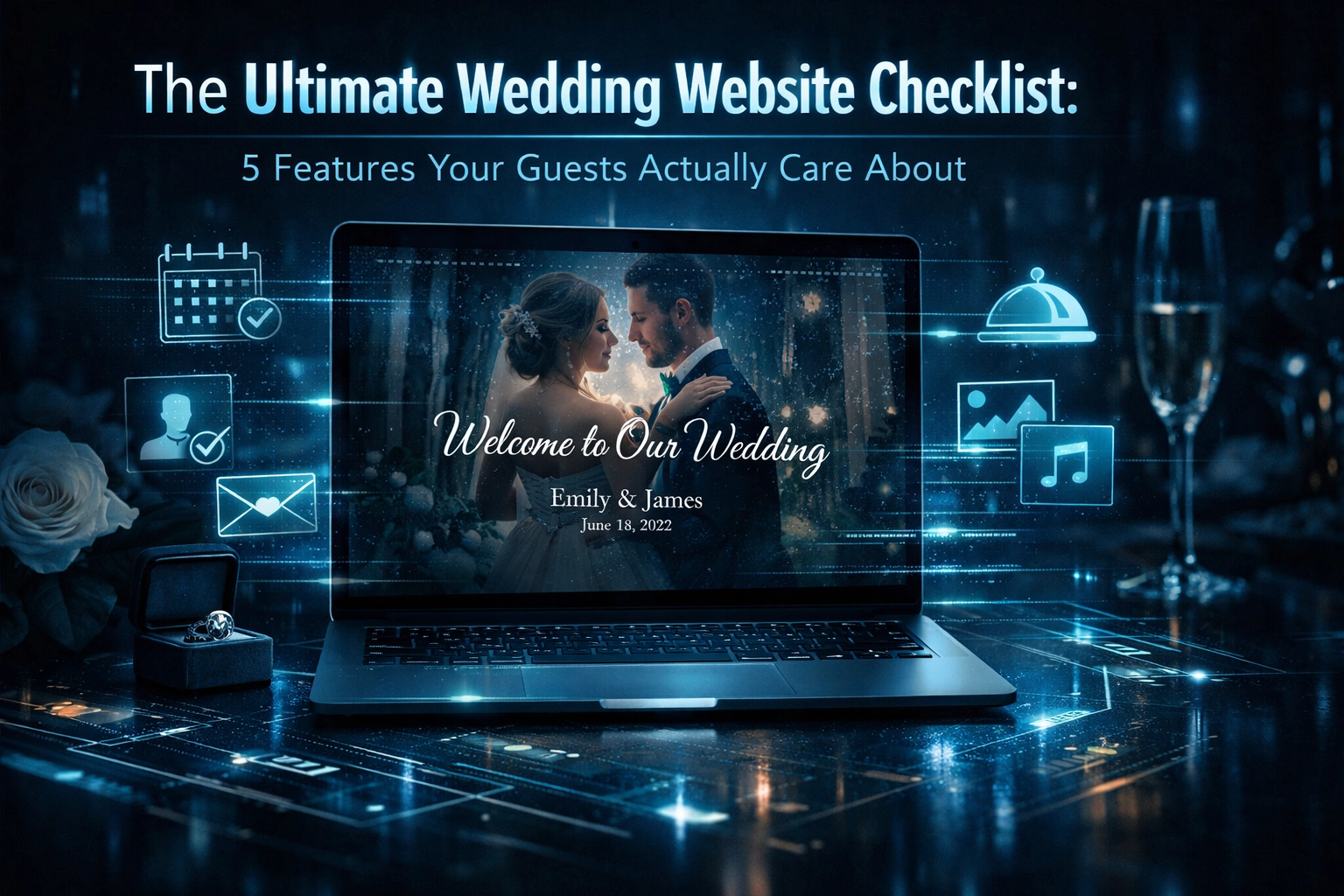
Planning a wedding is a massive undertaking, and in today's digital age, your wedding website is basically the central nervous system of your big day. While you might be tempted to spend hours picking the perfect font for your digital monogram, it is important to remember who the website is actually for: your guests. They aren't just looking for pretty engagement photos; they are looking for the logistical "north star" that will help them get to your ceremony on time, find a place to sleep, and figure out what on earth "festive semi-formal" attire actually means.
A great wedding website serves as a bridge between your vision and your guests' experience. If the site is clunky or missing key info, you’ll end up answering the same twenty questions via text message for three months straight. But when it’s done right: ideally with a professional touch: it becomes a tool that saves you time and keeps your sanity intact. Whether you are building it yourself or looking for professional Web Design help, here are the five features your guests actually care about.
1. Seamless RSVPs with Real-Time Automation
The days of mailing back tiny cards and hoping they don't get lost in the mail are quickly fading. Your guests want a digital RSVP process that is quick, mobile-friendly, and intuitive. From your perspective, an automated system is a total game-changer. Instead of manually updating a spreadsheet every time a relative remembers to click "submit," a well-built site handles the data for you.
When we talk about "seamless," we mean a system that can handle the nuances. Can your guests indicate their meal preferences or list a serious peanut allergy? Can they RSVP for specific events, like the Friday night welcome drinks or the Sunday brunch, without getting confused? This is where generic website builders often fall short. They might offer a simple form, but they lack the robust backend needed to manage complex guest lists. A custom WordPress site, for example, allows for much more sophisticated Information Architecture that can track +1s, dietary restrictions, and attendance for multiple events all in one place.

2. Direct, Detailed Registry Links
Let's be honest: your guests want to get you something you actually like, and they want the process to be as frictionless as possible. There is often a bit of "wedding etiquette" anxiety around sharing a registry, but the truth is that your guests will be looking for it. Having a dedicated, easy-to-find page for your registry is one of the most visited sections of any wedding site.
Instead of just listing a store name, provide direct links that open in new tabs. If you are using multiple registries (say, one for home goods and a separate honeymoon fund), clearly label them. It is also helpful to include a brief note of gratitude. Guests appreciate knowing that their contribution: whether it’s a new toaster or a dinner in Maui: is going toward something meaningful to you. By integrating these links smoothly into your site design, you maintain the aesthetic of your wedding without making the registry feel like a commercial interruption.
3. Travel and Accommodations (With Interactive Maps)
For out-of-town guests, your wedding website is essentially their travel agent. They need to know where to stay, how to get there, and how far the hotel is from the venue. Simply listing the name of a hotel isn't enough. You should include specific details about hotel blocks, including the group code and the "book by" date.
The real "pro move" here is integrating interactive maps. Instead of a static image of a map, an embedded Google Map allows guests to pull up directions on their smartphones with a single tap. You can also use this section to provide a few local recommendations. Where is the best coffee near the hotel? Is there a great park nearby for guests who arrive early? This kind of thoughtfulness turns a simple logistics page into a helpful guide. Providing clear data-driven UX decisions on your travel page ensures that guests feel confident navigating an unfamiliar city.

4. The Full Schedule (Especially for Multi-Day Events)
One of the biggest sources of guest stress is not knowing where they are supposed to be and when. This is especially true for modern weddings that often span an entire weekend. Your guests care deeply about a clear, chronological schedule. They need to know the start time of the ceremony, but they also want to know when the "shuttle departure" is or when the reception is expected to end so they can book their Uber home.
If you are hosting a multi-day event, break the schedule down by day. Use clear headings and bullet points. Be specific about the dress code for each individual event. "Casual" can mean many things, so a quick line of clarification like "Summer dresses and khakis" goes a long way. Having this information easily accessible on a mobile device is critical, as guests will likely be checking the schedule while they are on the go on your wedding day.

5. Narrative Continuity: The "How We Met" Story and Photo Gallery
While the first four features are purely functional, the fifth one is emotional. Your wedding website is a way to set the tone for the event. For some guests, like a distant cousin or a coworker, your website might be the first time they really get to "meet" your partner. A clear, well-written "How We Met" story adds a personal touch that makes the event feel more intimate.
Pair this narrative with a high-quality photo gallery. People love seeing engagement photos or a timeline of your relationship. It builds excitement and gives guests something to talk about during cocktail hour. However, be mindful of site speed. Large, unoptimized images can make your site crawl, which is frustrating for users. This is a common mistake that can kill conversions on a business site, and it’s just as annoying on a personal one. Ensure your photos are formatted correctly so the gallery loads quickly on all devices.

Why a Professional Touch Beats a Generic Builder
When you start looking for a platform to host your wedding website, you’ll see plenty of "free" or cheap template builders. While they might seem fine at first glance, they often come with significant limitations. These templates can be "boxy," hard to customize, and prone to breaking if you try to add too many custom features. Furthermore, you don't actually own your data on many of these platforms, and your site might be cluttered with the builder’s branding.
This is where a professional approach to Web Design makes a world of difference. Using a platform like WordPress gives you total control. You can have a custom RSVP system that perfectly matches your guest list needs, an optimized mobile experience that doesn't glitch, and a design that is truly unique to your wedding style.
A pro site can handle the "heavy lifting": like tracking hundreds of RSVPs and dietary requirements: without you having to lift a finger. It also ensures your site is secure and fast, providing the kind of technical infrastructure that makes the user experience seamless. When you invest in a professional wedding website, you aren't just buying a digital invitation; you are buying peace of mind.

Final Thoughts for Your Big Day
Your wedding website is the first impression your guests will have of your celebration. By focusing on these five key features: RSVPs, Registry, Travel, Schedule, and your Story: you are ensuring that your guests feel informed, valued, and excited. Remember that the goal is to reduce friction. The less time your guests spend wondering where to go or what to buy, the more time they can spend celebrating with you.
If you are looking for a way to make your wedding website stand out from the sea of cookie-cutter templates, consider going custom. It’s an investment in your sanity and your guests' experience that pays off long before the first guest walks down the aisle. Whether you need help with the technical backend or a full design overhaul, the right digital partner can help you build a site that is as beautiful as the wedding itself.